Jaguar X-Type Brake Booster Vacuum Hose: Choosing the Correct Part
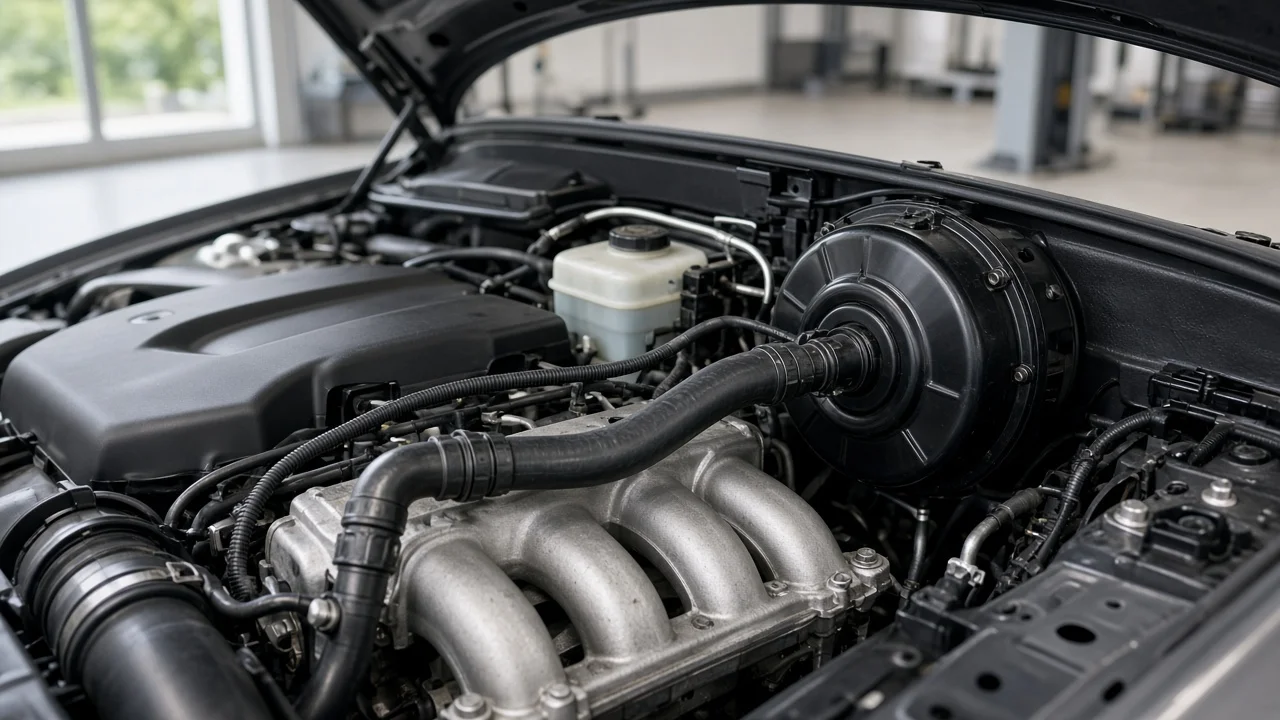
A cracked or collapsed brake booster vacuum hose on a Jaguar X-Type can turn a light, predictable pedal into a hard one that takes far more effort to stop the car. The part looks like a simple rubber or plastic line, but the wrong replacement can bring back the same leak, a hiss at idle or weak assist. This guide explains how to match the hose to your car, which features matter and when the job belongs with a professional.
Define the job the product must do
The vacuum hose carries engine vacuum to the brake booster mounted on the firewall behind the master cylinder. The booster uses the pressure difference across its diaphragm to multiply the force from your foot, so the hose must hold a steady seal without collapsing or cracking. Most setups include a one-way check valve, either inline in the hose or in the grommet at the booster, that keeps a reserve of vacuum after the engine stops or when vacuum drops under heavy throttle. Common signs of a failing hose include a hard or high pedal, a hissing sound near the booster, a rough or unstable idle and, on gasoline engines, lean-running trouble codes caused by unmetered air.
Before shopping, decide what you are actually replacing. Some owners need only the hose section, others need the complete line with the check valve and fittings, and some discover the grommet in the booster shell has hardened as well. The X-Type was built from 2001 to 2009, so original rubber and plastic vacuum lines on many cars are old, heat-cycled and brittle. If the pedal has become noticeably hard or stopping distances feel longer, stop using the car and have the braking system inspected rather than driving it to a parts counter.
Check compatibility
Vehicle fitment starts with the engine. In North America the X-Type was sold with V6 gasoline engines, which supply booster vacuum from the intake manifold. Diesel X-Type models sold in other markets draw vacuum from an engine-driven pump, so their hose routing and fittings are different and the parts are not interchangeable with the gasoline layout. Steering side also matters: left-hand and right-hand drive cars place the booster on opposite sides of the firewall, which changes hose length and routing. Model year changes can affect connectors too, so use the VIN to confirm the part in a parts catalog or with a dealer parts department.
Once a candidate part is identified, compare it with the hose on your car. Check overall length and the shape of any molded bends, the type of end fittings such as push-on ends, quick-connect couplings or molded elbows, and whether the hose has a branch feeding another component. Confirm where the check valve sits and that it is included if your original has one. Measure the booster grommet opening and the manifold port on your own car rather than relying on a generic size. If the listing photos do not clearly match your hose, treat the fitment claim as unconfirmed.
Features that affect the choice
The main trade-off is between a preformed replacement and a hose cut from bulk stock. A preformed part follows the factory routing, keeps its shape around tight bends and arrives with the correct fittings, which reduces the risk of a kink or rub point. Bulk hose can work for a straight run, but it must be rated for vacuum service so it does not collapse under suction, and it must tolerate the oil vapor and engine heat it will see. Ordinary hose not designed for vacuum may look fine at rest and flatten once the engine is running.
The check valve deserves particular attention. It must be installed so air can flow only from the booster toward the engine; most valves carry an arrow or marking that points toward the vacuum source. A reversed valve blocks booster assist entirely. Some replacement hoses include a new valve, while others expect you to reuse the old one, which may be the actual cause of the fault. Material choice also matters: molded rubber is flexible and forgiving, nylon lines resist heat but can crack at brittle fittings, and silicone is heat tolerant but must be correctly reinforced for vacuum use.
Treat labels such as heavy duty, premium or OE quality as marketing unless the listing backs them up. Useful evidence includes a stated material, a VIN or engine-specific fitment note, clear photos of both ends and the valve, a listed part number you can cross-check, and a stated warranty or return policy.
Limitations and ownership costs
A new vacuum hose only restores the vacuum supply. It will not fix a leaking booster diaphragm, a failing master cylinder, a sticking caliper, old or contaminated brake fluid, brake pads worn past their wear limits, damaged brake rotors or glazed friction material. If the pedal still feels hard or sinks after the hose is replaced, or if the car pulls, vibrates or stops poorly, the cause lies elsewhere and needs proper diagnosis using vehicle-specific service information.
Plan for the small items that make the job go smoothly. Old plastic connectors and clips often break during removal, and the booster grommet may need replacement to seal properly, so it helps to have those parts on hand. While you are in the engine bay, inspect neighboring vacuum lines, since aged hoses tend to fail in groups. After installation, a simple booster check is useful: with the engine off, press the pedal several times to use up the reserve, hold light pressure and start the engine. The pedal should move down slightly as assist returns. Listen for any hiss around the new connections, and clear stored lean codes with a scan tool so you can confirm they do not return.
Build a practical shortlist
Narrow your options with a short checklist. Confirm the engine, model year, steering side and VIN before ordering. Match the length, bends and end fittings against your old hose or clear photos of it. Check whether the check valve is included and that its direction is marked. Prefer a preformed part with a stated material and engine-specific fitment notes over a generic hose with vague compatibility claims. Note whether clips or a grommet are supplied or need to be bought separately, and read the return terms in case the part does not fit.
If you are not comfortable working near the brake booster or confirming the repair afterward, a brake specialist can replace the hose and test the whole system in one visit. That route also makes sense when symptoms persist after a hose change, because a hard pedal on an X-Type can share causes with booster, check valve or engine vacuum problems. A correctly matched vacuum hose is an inexpensive fix when it is the real fault, and the checks above help you buy the right part the first time.