Jaguar I-Pace Regenerative Braking Settings Explained
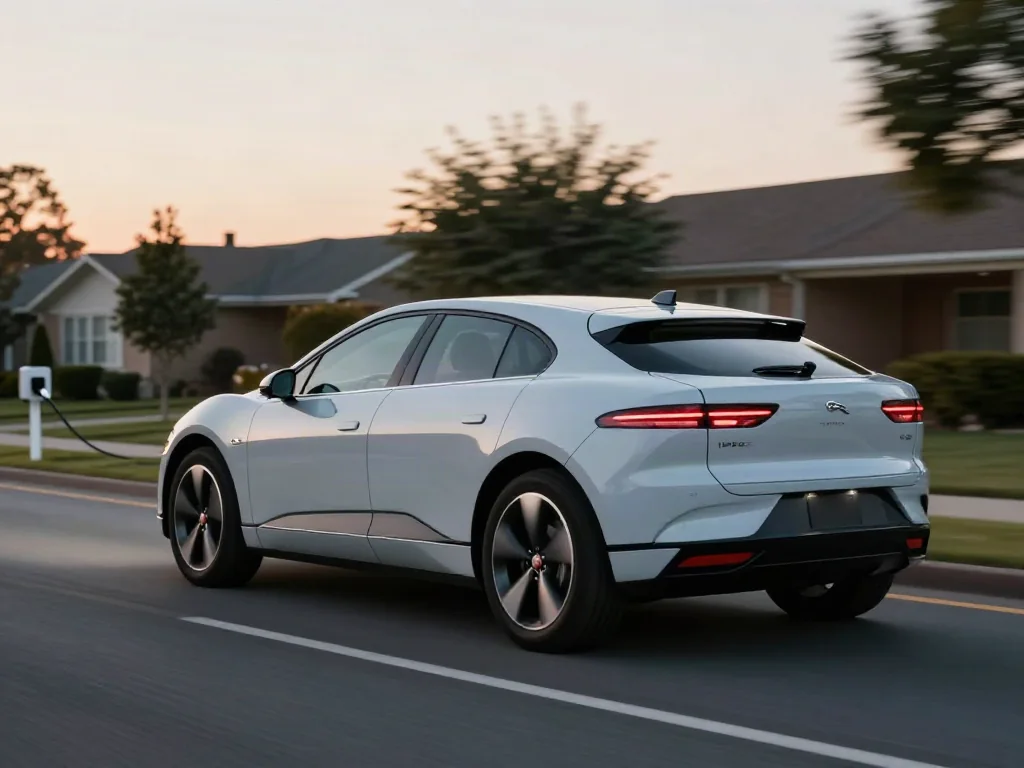
Understanding the Jaguar I-Pace regenerative braking settings transforms how the electric SUV feels in traffic and how far each charge takes you. Lifting off the accelerator can slow the car and send energy back to the high-voltage battery, rather than simply coasting. The right regen level depends on your driving style, road conditions, and how much one-pedal driving you prefer. Adjusting these settings through the touchscreen shapes lift-off regeneration, brake blending, and the creep function, all of which affect range efficiency and everyday comfort.
How Regenerative Braking Works on the Jaguar I-Pace
Regenerative braking uses the I-Pace's electric motors as generators when you lift off the accelerator. The car's momentum spins the motors, which creates resistance and slows the vehicle while recovering energy that would otherwise be wasted as heat. This energy is converted to electricity and stored in the high-voltage battery. The system works automatically and feels like gentle to strong deceleration depending on the selected regen strength, without needing to touch the brake pedal.
The I-Pace blends regenerative braking with conventional friction brakes seamlessly. Light braking may use only regeneration, while harder stops add hydraulic pressure to the discs and pads. Drivers typically notice the car slowing more abruptly than a gasoline vehicle when releasing the accelerator, and the energy or power display often shows energy flowing back into the battery. Efficiency gains are real but depend on route, traffic, and driving style.
I-Pace Regen Levels and How Each Setting Feels
I-Pace models offer several regenerative braking strength options, commonly labeled as low and high in the touchscreen menus. A high regen setting produces noticeable lift-off deceleration, making the car feel like it is braking when you simply ease off the accelerator. A low setting allows more coasting, similar to a conventional car. Exact choices and names can vary by model year and software version, so owners should check their manual for the precise options available.
Stronger regen settings support one-pedal driving, where you can slow significantly without pressing the brake pedal. This is useful in stop-and-go traffic, but passengers may feel the extra deceleration. Smooth, gradual accelerator release helps avoid abrupt lurches. The appropriate level is a personal choice—some drivers prefer maximum regeneration for control, while others favor a lighter setting for relaxed highway cruising. Testing different levels in safe conditions reveals what suits you.
Finding and Changing the Regenerative Braking Settings
Regenerative braking settings are generally adjusted through the I-Pace's touchscreen vehicle or driving settings menus. Look for options related to regeneration, drive mode, or creep within those menus. Because menu layouts and labels can change after infotainment or software updates, screens may not match older guides. Always check the owner's manual for the exact menu path on your specific car and software version.
Adjust regenerating settings only while safely parked. Once selected, note whether the setting stays after restarting the car or changes with drive modes or driver profiles. Some vehicles revert to a default level or link regen strength to selected drive modes. Confirming this on your own vehicle prevents surprises. If the setting does not persist, you may need to reselect it after each start or use a driver profile to save your preference.
Single-Pedal Driving, Creep and Coming to a Stop
Single-pedal driving relies on strong lift-off regeneration to slow the car in everyday traffic without moving your foot to the brake pedal. You accelerate by pressing the pedal and decelerate by easing off it. This can make commuting smoother and reduce brake use, but the car may not come to a complete stop unless the system is designed for that. Even with high regen, you must still use the brake pedal for full stops or when traffic stops quickly.
The creep function adds a separate layer: if creep is enabled, the car moves slowly forward or backward when no pedal is pressed, like a conventional automatic. If disabled, the car remains stationary on level ground until you press the accelerator. This affects low-speed maneuvering and parking, especially on slopes. Drivers should practice in a quiet, open area before relying on single-pedal driving in heavy traffic to understand how the car responds.
Why Regen Strength Can Feel Weaker or Change
Regenerative braking may feel weaker when the high-voltage battery is at a very high state of charge. A nearly full battery has less capacity to accept recovered energy, so the car limits regeneration and relies more on friction brakes. You may notice this right after charging to 100%. As the battery level drops during driving, regen strength typically returns to normal.
Cold temperatures also reduce regen because a cold battery cannot safely accept high charge rates. Until the battery warms up, lift-off deceleration may feel noticeably weaker on cold starts. Additionally, traction and stability systems may reduce regen on slippery surfaces to avoid wheel slip, automatically blending in more friction braking. If you see dashboard messages about limited regeneration, check the owner's manual for their meaning rather than guessing at a fault.
Choosing a Setting and Knowing When to Get the Brakes Checked
For stop-and-go city driving, a stronger regen setting often feels natural and reduces brake pedal use. On steady highway cruising, a lighter setting allows smoother coasting and may improve efficiency if you avoid unnecessary braking. In slippery winter conditions, a milder regen level can help maintain stability, though the car's stability control will manage regen automatically. Ultimately, choose the setting that feels most predictable and comfortable for you.
Even with frequent regenerative braking, the friction brakes still need periodic inspection. Light use can allow discs and pads to corrode, especially in wet or salty environments. Follow the maintenance schedule in the owner's manual. Symptoms that warrant professional inspection include brake warning lights, a soft or unusual pedal feel, grinding or pulling, or regen that is inconsistent or shows recurring faults. Never attempt to diagnose or repair high-voltage or brake system components yourself—use a qualified EV technician or dealer.