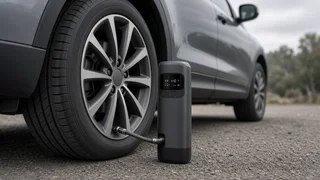
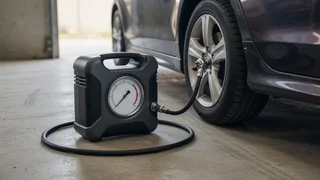
Jaco FlowPro Digital Tire Inflator with Gauge
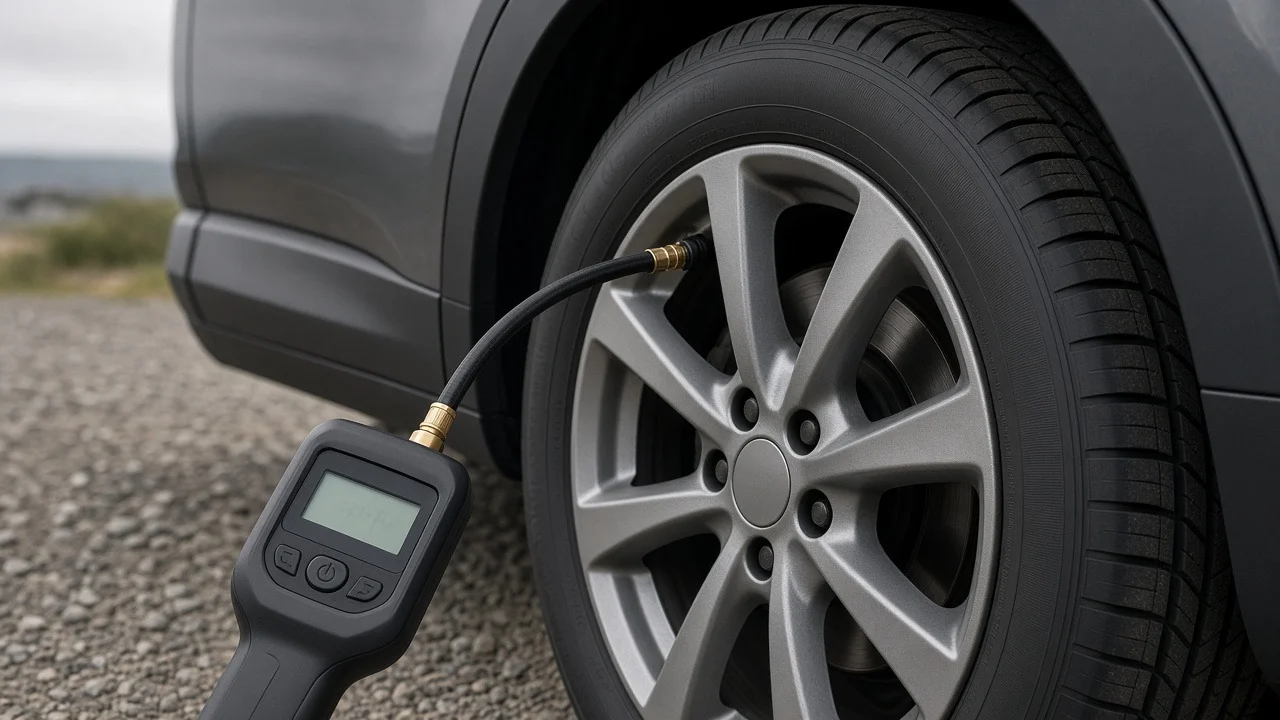
Choosing a digital tire inflator means matching the tool’s readout behavior, chuck connection, and power source to the way you actually check pressures. The Jaco FlowPro Digital Tire Inflator with Gauge brings the measurement and fill functions into one assembly, which changes where errors can appear. A stable connection at the valve stem matters as much as the displayed number, because a poor seal leaks air during the reading. Understanding measurement range, accuracy, calibration, units, and your vehicle specification helps you judge whether the value on screen reflects the true pressure in the tire before you drive.
The direct answer
The main reason to consider this style of inflator is that it lets you add air and watch the pressure respond without switching between a separate gauge and an air chuck. That can reduce the small losses that occur each time a tool is removed and reinstalled on the valve stem. The practical benefit depends on whether the display resolves the pressure clearly and whether the connection stays sealed while the compressor or air source is running.
For a passenger vehicle, the useful starting point is the vehicle specification, usually found on the driver’s door jamb or in the owner’s manual, not the maximum pressure molded into the tire sidewall. After filling, a brief recheck with the same tool can show whether the reading is stable. If the value drops immediately, suspect the valve connection or a leaking valve core rather than assuming the sensor is wrong. Manufacturer-dependent behavior should be confirmed for the specific model and air system.