Isuzu NPR Brake Vacuum Pump: Finding the Correct Part
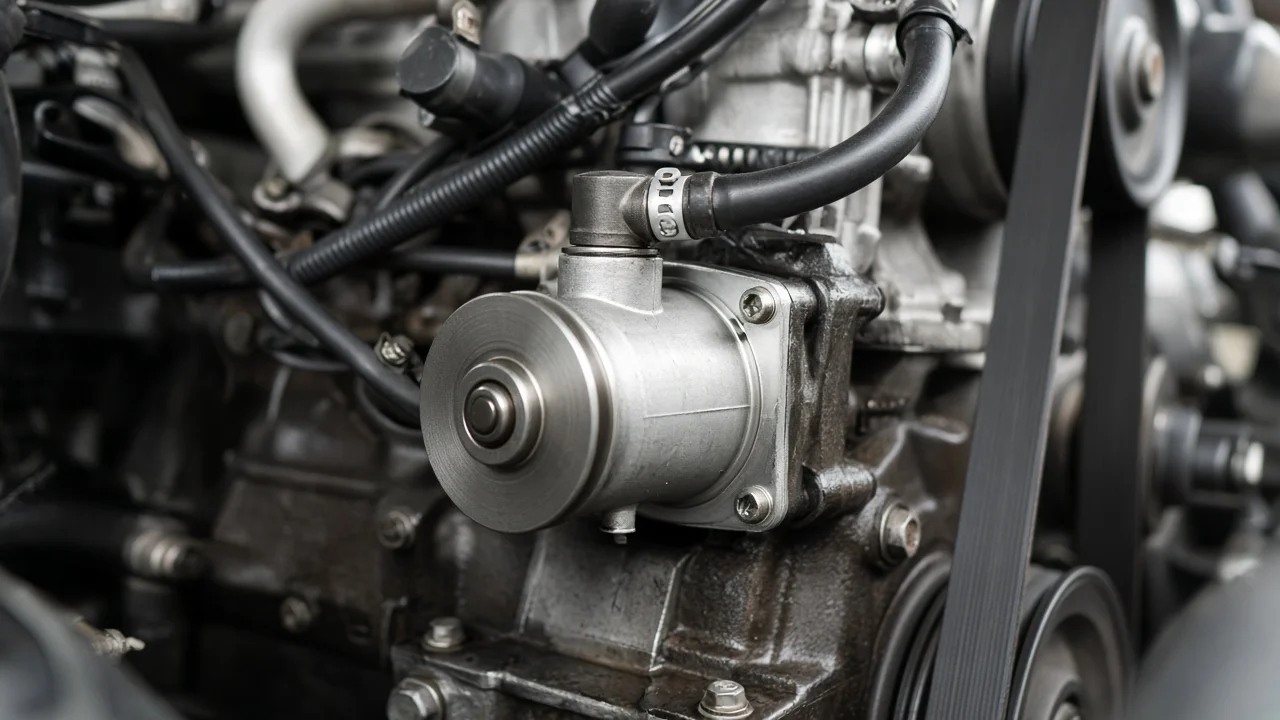
A weak or failing brake vacuum pump on an Isuzu NPR shows up as a hard pedal and longer stops. On a loaded work truck, that is a safety problem. Buying a replacement is easy to get wrong, because NPR trucks were built over many years with different engines, brake boosters and alternator arrangements. This guide explains how the pump works, what decides which one fits, and how to confirm the part before you order it.
The short answer on finding the right pump
The correct vacuum pump for an Isuzu NPR is the one that matches your specific truck, not just the model name. Confirm four things: the model year, the engine, the brake system type and, ideally, the part number stamped or labeled on the pump now installed. Decode the VIN or ask an Isuzu parts counter to look it up, because the NPR name covers several generations and powertrains. If the truck has a gasoline engine or a hydraulic brake booster, it may not use a vacuum pump at all, so check that before buying anything.
Be careful with any listing that claims to fit every NPR. Fitment depends on details that vary between trucks. A pump that bolts on can still be wrong for the drive, the oil connections or the booster it has to supply.
How the vacuum pump supports braking
Gasoline engines create intake vacuum naturally. Diesel engines produce little usable vacuum, so a diesel truck with a vacuum brake booster needs a mechanical pump to supply it. On many diesel NPR trucks, this pump is mounted to the back of the alternator and turned by the alternator shaft, so it runs whenever the engine runs. Other arrangements exist, which is one reason fitment checks matter.
The pump draws air out of the booster through a vacuum hose and a check valve. The booster uses the difference between that vacuum and atmospheric pressure to multiply the force from your foot before it reaches the master cylinder. The master cylinder then pushes brake fluid to the caliper or wheel cylinder at each wheel, which presses the friction material against the brake rotors or drums. When vacuum drops, the brakes still work hydraulically, but the driver must push much harder for the same stop.
Pumps of this type are usually lubricated by engine oil through a feed line, with a return line back to the engine. A blocked feed line, worn internal parts or an internal leak can reduce vacuum. A failing seal can also push oil into the vacuum hose.
What changes which part fits
Engine and model year are the first split. Different diesel engines have been used across NPR generations. The alternator, pump mounting, drive coupling and oil line fittings can differ between them. Gasoline NPR versions typically use a different brake assist design, so a diesel vacuum pump is not interchangeable with those trucks.
Brake system type also matters. Some NPR trucks use a vacuum booster and others use hydraulic assist, and the setup can change with configuration and weight rating. If the pump is built into the alternator, check what is offered for your engine: a complete alternator and pump assembly, a pump only, or a rebuild kit. Chevrolet and GMC W-series trucks are closely related to the NPR and can share parts. Confirm any cross-fit by part number rather than assuming it.
Operating conditions affect the diagnosis more than the part choice. Weak assist can also come from a cracked vacuum hose, a faulty check valve or a leaking booster. In those cases, a new pump will not solve the problem, so confirm the cause before ordering.
Steps to confirm the problem and the part
Start by confirming the pump is at fault. With the engine off, press the pedal several times to use up stored vacuum. Then hold light pressure on the pedal and start the engine. With a working vacuum supply, the pedal normally sinks slightly as assist comes in. If it stays hard, inspect the vacuum hose, check valve and booster for cracks, leaks or oil. A vacuum gauge at the booster hose gives a clearer picture; compare the reading with the specification in the service information for your truck rather than a generic figure. Listen for hissing, and note any low vacuum or brake warning on the dash if your truck has one.
To identify the replacement, record the VIN, the engine model and the alternator and pump part numbers. Photograph the mounting, drive and oil line connections. Give this information to the parts supplier, and compare the new part side by side with the old one before installation. Replace gaskets, O-rings and any oil lines or hoses that are hardened or damaged, and follow the torque values in the service manual.
While the truck is in for brake work, check the rest of the system against its wear limits. That means brake pads or shoes, rotors or drums, calipers, and brake fluid level and condition. Worn friction material does not cause a weak pump, but a hard pedal combined with worn parts makes stopping distance even worse.
Limitations and when to get professional help
This guide is general and cannot replace the factory service information for your exact truck. Vacuum specifications, oil line routing, torque values and part numbers vary by year, engine and configuration, and aftermarket fitment listings are not always accurate. If you cannot match the part number, or the mounting differs from your old pump, stop and verify vehicle fitment before installing anything.
A hard brake pedal, longer stopping distances or a brake warning light mean the truck should be taken out of service, especially when it carries a load. Park it and have it inspected by a qualified technician, ideally one familiar with medium-duty trucks. After any pump replacement, have the booster and the complete brake system tested. Return the truck to work only once normal pedal feel and stopping performance are confirmed.