ISOFIX Car Seat Attachment Straps: What They Are and How They Differ

The Short Answer
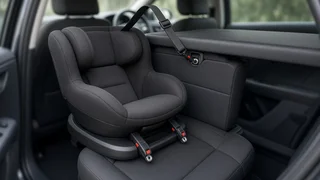
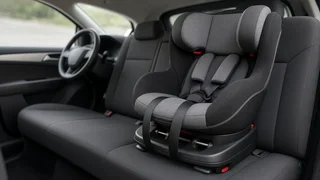
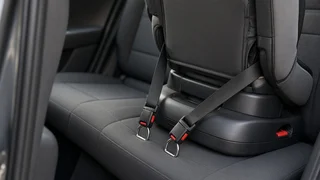
An ISOFIX car seat strap is a length of webbing with a connector on the end. It attaches a child car seat to the dedicated anchor points built into a vehicle's seat, so you don't have to route the vehicle seat belt through the car seat. ISOFIX is the international name for this anchor system. In the United States, the comparable system is called LATCH, which stands for Lower Anchors and Tethers for Children. The anchor bars work on the same principle, and many U.S. car seats attach to them with flexible straps rather than the rigid connectors common on European ISOFIX seats.
One qualification matters most. Use only the attachment straps supplied with, or approved by the maker of, your specific car seat. Do not use a generic or aftermarket ISOFIX strap. A car seat's attachment hardware is designed and tested as part of that seat, and a substitute strap has not been shown to perform the same way in a crash.
What the System Consists Of
A typical lower-anchor installation involves several parts, some on the vehicle and some on the car seat.
Lower anchors: two small metal bars fixed to the vehicle structure. They sit in the seat bight, which is the crease where the seat back meets the seat cushion. Lower anchor connectors: hooks or push-on clips on the car seat that latch onto those bars. On strap-style systems they sit at the ends of adjustable webbing. Adjustment and tightening hardware: a buckle or ratchet on the strap that lets you pull the car seat firmly against the vehicle seat. Top tether: a separate strap from the top of a forward-facing car seat to an anchor behind the vehicle seat. It may be on the rear shelf, the seat back, the floor or the ceiling, depending on the vehicle. The tether limits how far the seat and the child's head move forward in a crash.
How Strap Connectors Differ From Rigid ISOFIX Connectors
The main difference people mean by "ISOFIX straps" is how the car seat reaches the anchors. The vehicle anchors are the same in both cases. What varies is the connection on the car seat side.
Feature | Flexible strap connectors (common in U.S. LATCH seats) | Rigid connectors (common on European ISOFIX seats); Form | Webbing strap with a hook or clip at each end | Fixed metal arms that extend from the seat base; How tightness is achieved | You pull the strap tight while pressing the seat into the vehicle cushion | The arms click onto the anchors, often with indicators showing a correct connection; Adjustability | Fits a range of anchor positions and seat shapes through strap length | Depends on how far the arms extend and the seat's design; Common source of error | Strap left loose, twisted, or attached to the wrong point | Connector not fully engaged, or anti-rotation device not used; Anti-rotation | Top tether for forward-facing use | Top tether or a support leg, depending on the seat
Neither type is automatically safer in every vehicle. A correctly installed seat with either connector type is the goal. The right choice depends on whether the seat fits your vehicle and whether you can install it tightly and consistently.
Lower Anchors Versus the Seat Belt
Lower anchors are an alternative to a seat belt installation, not an addition to it. Most car seat makers say to use one method or the other, not both, unless the seat's manual specifically allows it. When used correctly, each method is intended to secure the seat. Lower anchors are often chosen because they can make a tight installation easier to achieve.
Lower anchors also have a usage limit. Car seat makers set a maximum for lower-anchor use based on the child's weight and, under U.S. rules, the combined weight of child and seat. This limit is printed on the seat's label and in its manual. Once a child exceeds it, the seat must be installed with the vehicle seat belt instead, and the top tether still applies for forward-facing use. No figure for a specific seat was supplied here, so check your own seat's label rather than relying on a general number.
What to Check Before You Install
Confirm the seating position has lower anchors. Not every seat in a vehicle has them, and center seats often don't. The vehicle owner's manual lists which positions do. Don't borrow anchors from neighboring seats for a middle position unless both the vehicle and car seat manuals permit it. Attach the connectors to the anchor bars only, not to seat-belt hardware, cargo hooks, or seat frame parts. Keep the strap flat and untwisted, then tighten it. A common check is that the seat should not move much side to side or front to back at the belt path. Follow the exact tolerance in your car seat's manual. For forward-facing seats, attach and tighten the top tether to the designated tether anchor shown in the vehicle manual. Inspect the strap and connectors for fraying, cuts, or damaged hardware. Contact the car seat maker for genuine replacement parts. Follow the car seat maker's guidance on whether to replace the seat after a crash.
Gaps in This Overview
This guide explains the general design and terminology of ISOFIX and LATCH attachment straps. It does not cover particular car seats, vehicles, model years, prices, or crash-test results, because no product-specific evidence was available. Anchor locations, lower-anchor weight limits, and approved installation methods vary by car seat model and by vehicle. Your car seat manual and your vehicle owner's manual are the authoritative sources for your setup. A certified child passenger safety technician can check an installation in person.