Is it worth replacing the timing chain on a high-mileage engine
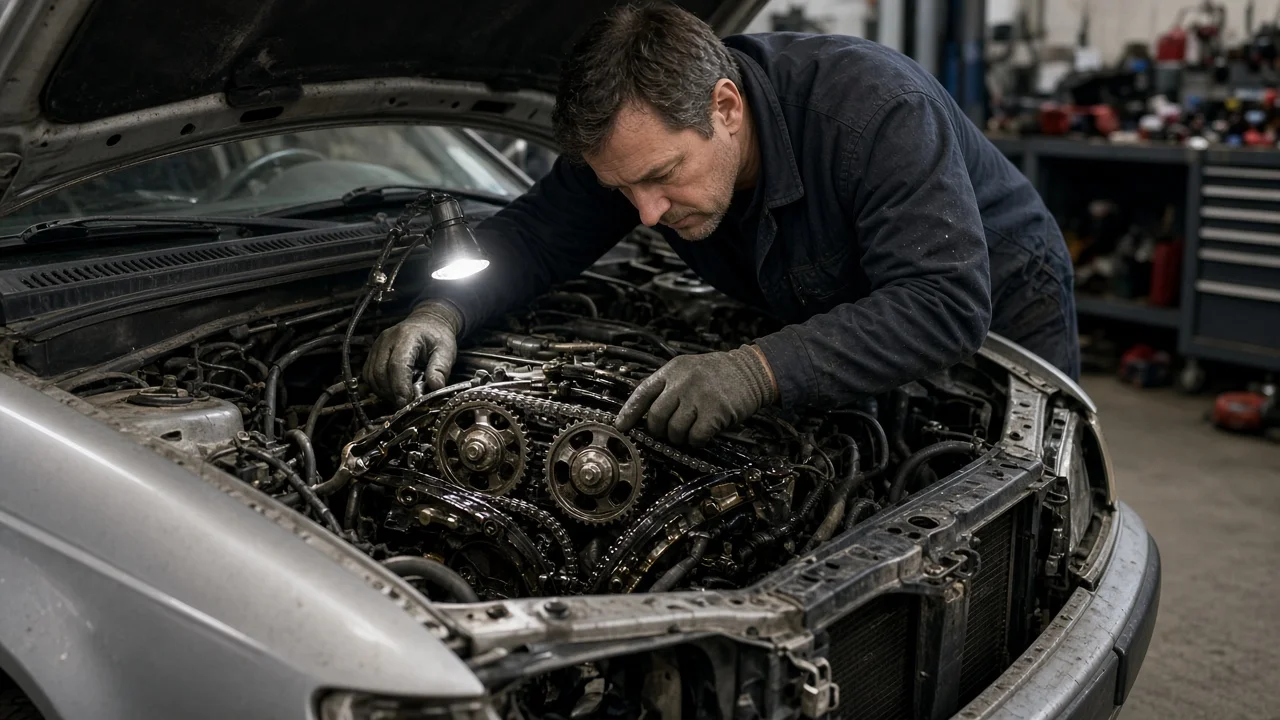
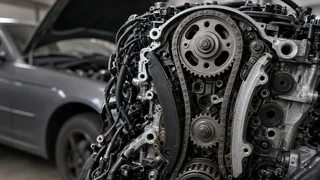
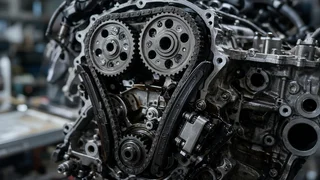
A high-mileage engine with a suspected timing chain problem forces a hard financial choice: repair the chain assembly or put the same money toward a replacement engine or another vehicle. The right answer depends on symptom conditions, service history, inspection findings, and the engine configuration. Diagnostic codes and measured chain wear help identify whether noise, misfires, or correlation faults point to a stretched chain, worn guides, or a failing tensioner. Before spending on a timing set, confirm that the chain is actually the fault and that the rest of the engine justifies the investment.
Essential answer
Replacing a timing chain on a high-mileage engine can be worthwhile when the engine is otherwise healthy, oil changes have been consistent, and the repair cost is clearly lower than replacing the engine or the vehicle. A timing chain is a durable internal component, but wear still accumulates in the links, guides, and tensioner. If the chain has stretched beyond manufacturer specifications or the tensioner has lost range, the repair may restore reliable operation without the unknowns of a used engine.
The decision becomes less favorable when inspection shows low compression, heavy oil consumption, coolant loss, or bearing noise. In those cases, a new chain cannot correct unrelated engine wear. Comparing the cost of a chain replacement with a used or remanufactured engine makes sense when the service history is poor or the mileage is very high. The better repair is not the same for every vehicle, so the condition of the entire engine, not just the chain, should guide the choice.