Is Fast Charging Bad for Your EV Battery? DC Fast, Level 1 and Level 2 Explained
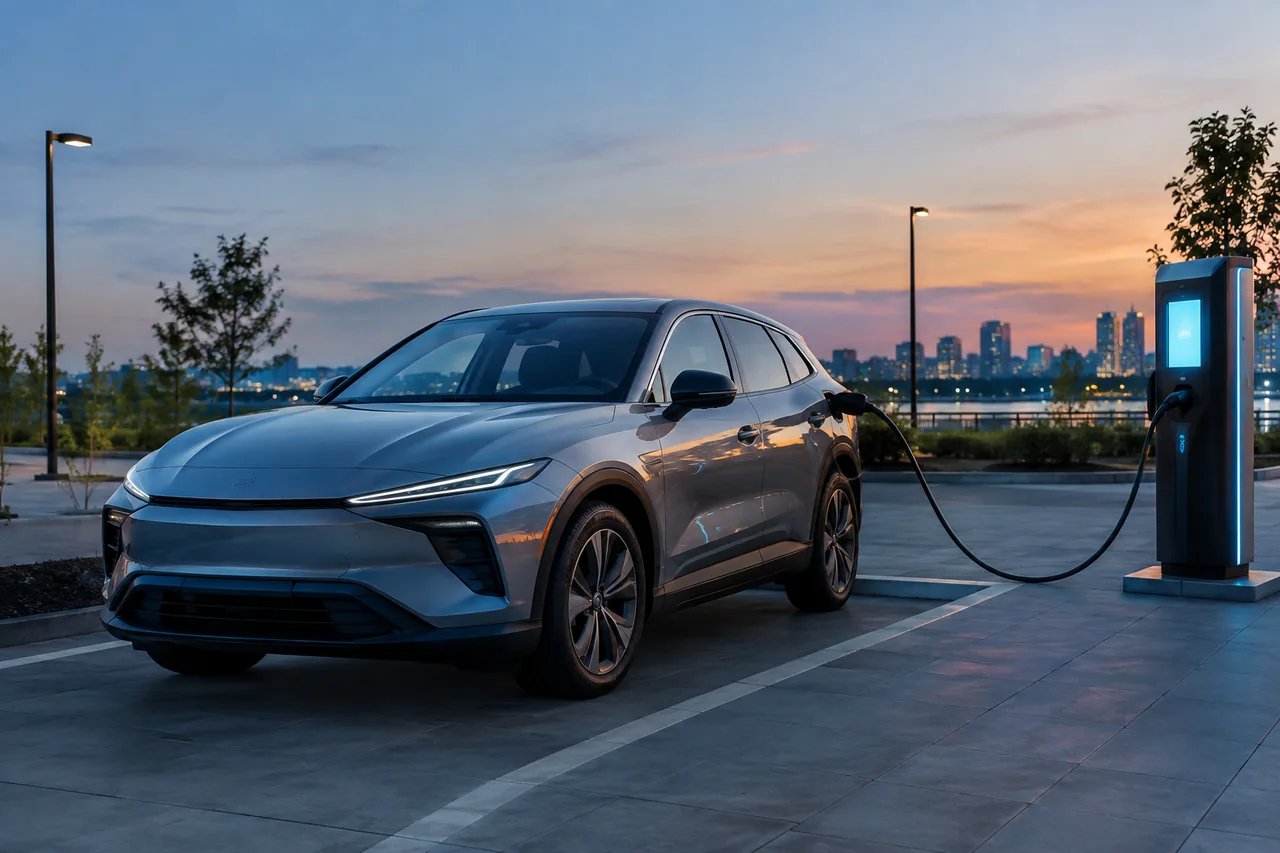
Is fast charging bad for your EV battery? The short answer is no, not in the way many drivers fear. Occasional DC fast charging is a normal part of electric vehicle ownership and will not instantly ruin your pack. However, frequent high-power charging can add to gradual lithium-ion battery degradation over years of use. The real story is about heat, charge rate, and how your car’s battery management system handles the stress. Understanding the difference between Level 1, Level 2, and DC fast charging helps you make choices that preserve capacity without giving up convenience.
Does DC Fast Charging Actually Damage an EV Battery?
Does DC fast charging actually damage an EV battery? Directly, no single session causes immediate harm. Modern electric vehicles are engineered to accept high-power charging safely, with safeguards that prevent sudden failure. But if you fast charge very often, the cumulative effect can be slightly faster capacity fade compared with a car that mostly charges slowly. That means after several years and tens of thousands of miles, your battery may hold a bit less energy than an identical pack charged gently. The loss is gradual, not catastrophic.
How much wear occurs depends on battery chemistry, thermal management, climate, and your personal charging habits. Some cells tolerate high current better than others, and liquid-cooled packs handle heat more effectively than passive systems. Hot weather adds stress, while cold weather slows the process. No universal figure applies to every EV. Because of this variation, read your owner’s manual and warranty terms for the manufacturer’s specific guidance. One model’s advice about fast charging frequency does not necessarily fit another, even within the same brand.
How Heat and Charge Rate Drive Battery Degradation
Heat and charge rate drive most battery degradation. Pushing a large amount of current into lithium-ion cells quickly generates more heat than charging slowly, and that heat accelerates chemical reactions that gradually reduce the battery’s ability to store energy. Think of it like exercising: a hard workout raises your body temperature and stresses muscles more than a gentle walk. The battery can handle the stress, but repeated high-temperature fast charges may add up to slightly faster capacity fade over time. Heat matters as much as charging speed itself.
As the battery fills, charging power usually drops. This charging curve exists because the battery management system slows the current to protect cells as they approach full. The last 20 percent of a fast-charging session is often much slower than the first 50 percent. Very cold batteries also charge more slowly and less efficiently, so the car may limit power until the pack warms up. Some EVs precondition the battery before arriving at a fast charger, using navigation data to heat the pack to an ideal temperature. This improves charging speed and reduces stress.
Is Slow Charging Better for Your EV Battery? Level 1 and Level 2
Is slow charging better for your EV battery? Level 1 and Level 2 AC charging put far less heat and chemical stress on the pack, so they are often seen as gentler for routine use. A Level 1 cord on a standard household outlet adds only a few miles of range per hour, producing almost no noticeable heat. A Level 2 charger at 240 volts is still low stress compared with DC fast charging, even though it adds 20 to 40 miles of range per hour. Both are considered slow from the battery’s perspective.
Level 1 is not automatically better than Level 2 for battery health, because both are so gentle that the difference is negligible. Level 2 simply fits daily driving better for most owners. Very slow charging has practical limits: Level 1 can take more than a day to replenish a large pack, and some energy is lost as heat in the onboard charger and cables, making it slightly less efficient. Charging at home or work on Level 2 is a sensible default that keeps the battery cool and ready without avoiding fast charging entirely when you need it.
How Your EV Protects the Battery During a Fast Charge
Your EV protects the battery during a fast charge through its battery management system. This computer constantly monitors cell temperature, voltage, and state of charge. If any value moves outside safe limits, the system reduces charging current or stops the session. That is why a fast charge often slows dramatically after 80 percent: the management system is intentionally tapering the power to prevent overheating or overvoltage. This protection is invisible but always active, even if you do not see a message on the dashboard.
Active thermal management plays a big role. Many EVs have liquid cooling loops that circulate coolant through the pack during charging, carrying heat away to a radiator. In cold weather, the same system can warm the battery to an acceptable temperature before fast charging. Some models offer battery preconditioning, which uses navigation to warm the pack as you approach a fast charger. Check your vehicle settings to see if this feature exists. If a fast charge is slower than expected, it is often the car protecting itself, not a sign of a fault.
When DC Fast Charging Is the Right Choice
DC fast charging is the right choice when you need energy quickly. Road trips, long days of driving, and times when home charging is unavailable are perfect examples. Stopping for 30 minutes to add 150 miles of range keeps you moving without exhausting the battery. Occasional fast charging on these trips causes minimal long-term wear, especially if you avoid charging to 100 percent and skip the hottest part of the day when possible. Fast charging is a tool for convenience, not a threat when used sensibly.
Owners who rely on fast charging as their main source should pay closer attention to heat and charge levels. Charging from a low state of charge to around 80 percent is efficient, but the last 20 percent takes much longer and adds more heat for little benefit. Ending the session when the charging curve slows saves time and reduces time spent at high state of charge, which can be stressful for the battery. Check your manufacturer’s guidance on maximum recommended charge level for daily use, and follow it when fast charging frequently.
Charging Habits That Help Limit Long-Term Battery Wear
Charging habits that limit long-term battery wear start with mixing routine AC charging with fast charging when needed. If you have home or workplace Level 2 charging, use it for daily top-ups. Save DC fast charging for trips or occasional convenience. This pattern keeps the battery cool most of the time while still allowing high-power sessions when they matter. The battery management system handles occasional fast charges well, so you do not need to avoid them entirely, but everyday fast charging is generally unnecessary for most commuters.
Leaving the battery at a very high or very low charge for long periods adds stress. Follow the charge limit settings your manufacturer recommends—many suggest keeping the daily limit at 80 or 90 percent. In hot weather, park in shade or a garage to reduce heat exposure, which slows capacity fade. If you notice a significant drop in range or see warning messages, have the battery checked by a qualified technician or dealer. Do not guess the cause or attempt repairs yourself; battery diagnostics require specialized tools and training.