Is Electric Car Charging Free? Where Free Charging Exists and Who Pays
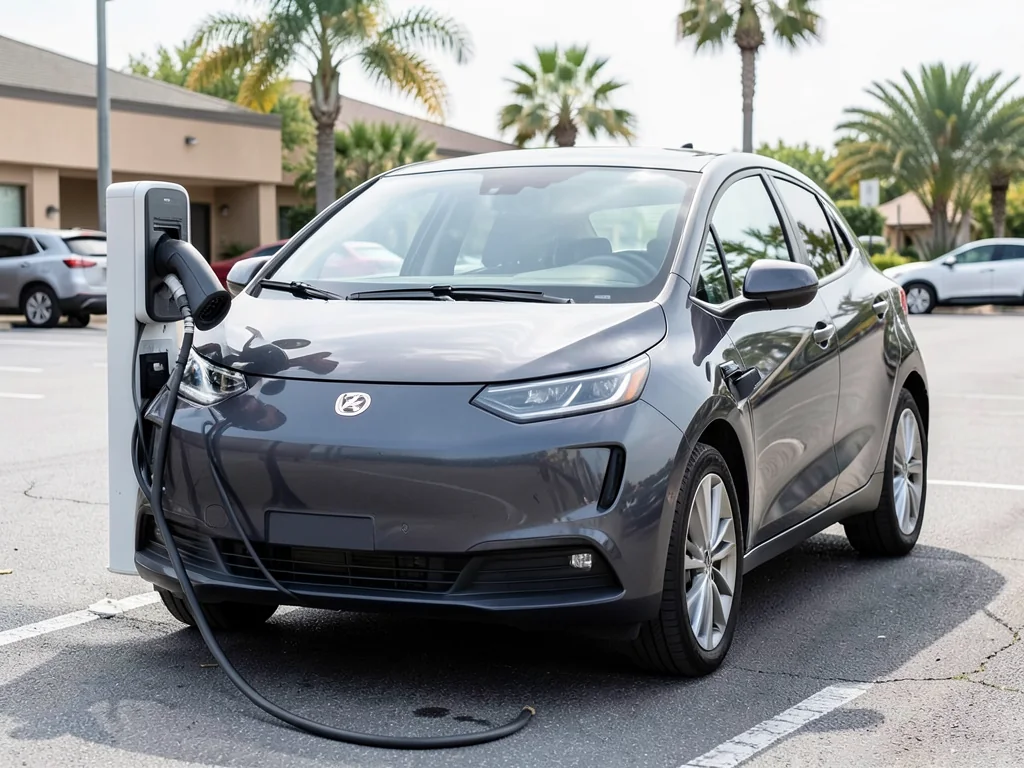
Electric car charging is sometimes free to the driver, but the electricity is never truly without cost. A retailer, employer, hotel, automaker, or network may absorb the expense, usually under specific conditions. Understanding who pays, what restrictions apply, and how billing works helps you avoid surprise fees at public stations and set realistic expectations for charging at home.
EV Charging Can Be Free, but Someone Covers the Cost
Yes, some charging sessions cost the driver nothing, while many others require payment. When a session is free to you, the electricity still has a price, and someone else has chosen to cover it. That party might be a store owner hoping to attract shoppers, an employer supporting staff, an automaker bundling charging with a new vehicle, a charging network running a promotion, or a sponsor paying for community access. The cost has simply moved away from the person plugging in.
A charger that anyone can reach is not automatically a charger anyone can use for free. Public access describes who may pull up and plug in; pricing is a separate decision made by the station operator or site host. Treat free charging as a specific, stated offer with conditions attached, such as a purchase, membership, or time limit. Owning an electric car does not by itself entitle you to complimentary electricity anywhere.
Where Complimentary Public and Destination Charging Appears
Retailers and shopping destinations sometimes install chargers as a customer amenity, reasoning that drivers who stay longer may spend more. Grocery stores, malls, and outlet centers are common examples, although no chain guarantees free charging at every location, and policies can change as sites upgrade equipment. Workplace charging follows a different logic. An employer may pay for the electricity as a staff benefit, but access is usually limited to employees, may require registration, and can come with rotation rules so colleagues share limited spaces.
Hotels, resorts, and some restaurants or attractions offer destination charging, often included for registered guests or paying customers. These chargers tend to be slower units meant for overnight or multi-hour stays rather than quick top-ups. Some libraries, parks, and municipal lots also host sponsored charging, and certain network locations run participating free sites or limited promotions. In every case, the individual location sets availability and terms, so a free session at one site says little about another nearby.
How to Check a Free-Charging Listing Before Traveling
Many charging maps and apps let you filter for free locations, which is a useful starting point for planning. The catch is that listings depend on operator data and user reports, so prices, hours, or access rules may be outdated or incomplete. Before relying on a listing, confirm the current price, operating hours, whether the charger is reported as working, whether its connector suits your vehicle, and whether access is restricted to customers, guests, or employees.
The most reliable information usually comes from the operator's own app or listing and from the site host, such as a hotel front desk. When you arrive, read the terms shown on the charger screen or app before starting, because on-site pricing takes precedence over an old map entry. Drivers searching for free charging in the UK should apply the same checks to local operators and site access, rather than assuming offers seen in the US carry over.
Restrictions and Fees That Can Accompany Free Electricity
Free electricity often comes with access conditions. A charger may be reserved for store customers, hotel guests, employees, or members of a particular network or loyalty program. Those conditions can shift the real cost elsewhere. A shopping center may require a purchase, a hotel may limit charging to paying guests, and a garage may provide complimentary electricity while still charging for the parking space. The electricity itself may be free even when the visit is not.
Many offers also cap the benefit through a time limit or energy allowance, after which standard pricing may begin automatically. Idle fees are another common trap: some operators charge per minute once charging finishes or after a grace period if the car stays plugged in. Check when each fee starts, set a reminder, and move the vehicle according to posted rules. Overstaying can turn a free session into a paid one and block the next driver.
When Charging Requires Payment and How Billing Works
Paid stations generally bill in one of three ways: by energy delivered in kilowatt-hours, by time connected, or by a flat session fee, sometimes combining them. Which method applies depends on the operator's terms and on local rules governing how charging may be priced. Payment options vary by station and can include a network app, a charging account, an RFID card linked to that account, or a payment card used directly at the unit.
Even a nominally free session may require you to log in or register payment details, because operators need to authenticate users and cover any fees that apply later. Some card payments place a temporary authorization hold that is later released or adjusted to the settled amount, so a pending figure is not necessarily the final bill. Review the tariff before plugging in and check the receipt afterward. Drivers in the UK should follow the operator terms displayed locally rather than relying on general price assumptions.
What Free Charging Included With a Car Actually Covers
Some automakers and dealers include charging credits or a limited charging package with eligible vehicle purchases or leases. These benefits can be valuable, but they are rarely unlimited. Before counting on one, verify which vehicles qualify, whether you must enroll by a deadline, which network accepts the credit, when the benefit expires, and whether it is capped by energy, sessions, or a dollar amount. Missing an enrollment window can forfeit the offer entirely.
Used-car shoppers should be especially careful. A charging benefit may be tied to the original eligible owner or lease and may not transfer with the vehicle, so confirm its status with the automaker or network before letting it influence a purchase. Even an active package typically covers only the electricity within its limits. Usage beyond the allowance, idle fees, and parking charges at the charging site may remain your responsibility.
Why Charging at Home Usually Adds to an Electricity Bill
Plugging in at home feels free because nothing is paid at the outlet, but the car is drawing metered household electricity that shows up on your bill. A simple estimate is the kilowatt-hours drawn from the outlet multiplied by your applicable electricity rate. The energy taken from the wall exceeds what the battery stores because some is lost as heat during charging, so basing the math on battery capacity alone tends to understate cost.
Solar generation, electricity credits, or a tariff with promotional free hours can offset part of home charging costs, but each carries equipment expenses, eligibility rules, or billing conditions. A free charger or installation incentive is also different from free electricity; it lowers upfront costs, not ongoing usage. When an employer or property owner reimburses charging, they effectively pay, but reimbursement terms, metering, and documentation requirements determine how much of your home electricity cost is covered.