Is Charging an Electric Car a Fire Risk? Safety Facts for Home and Public Charging
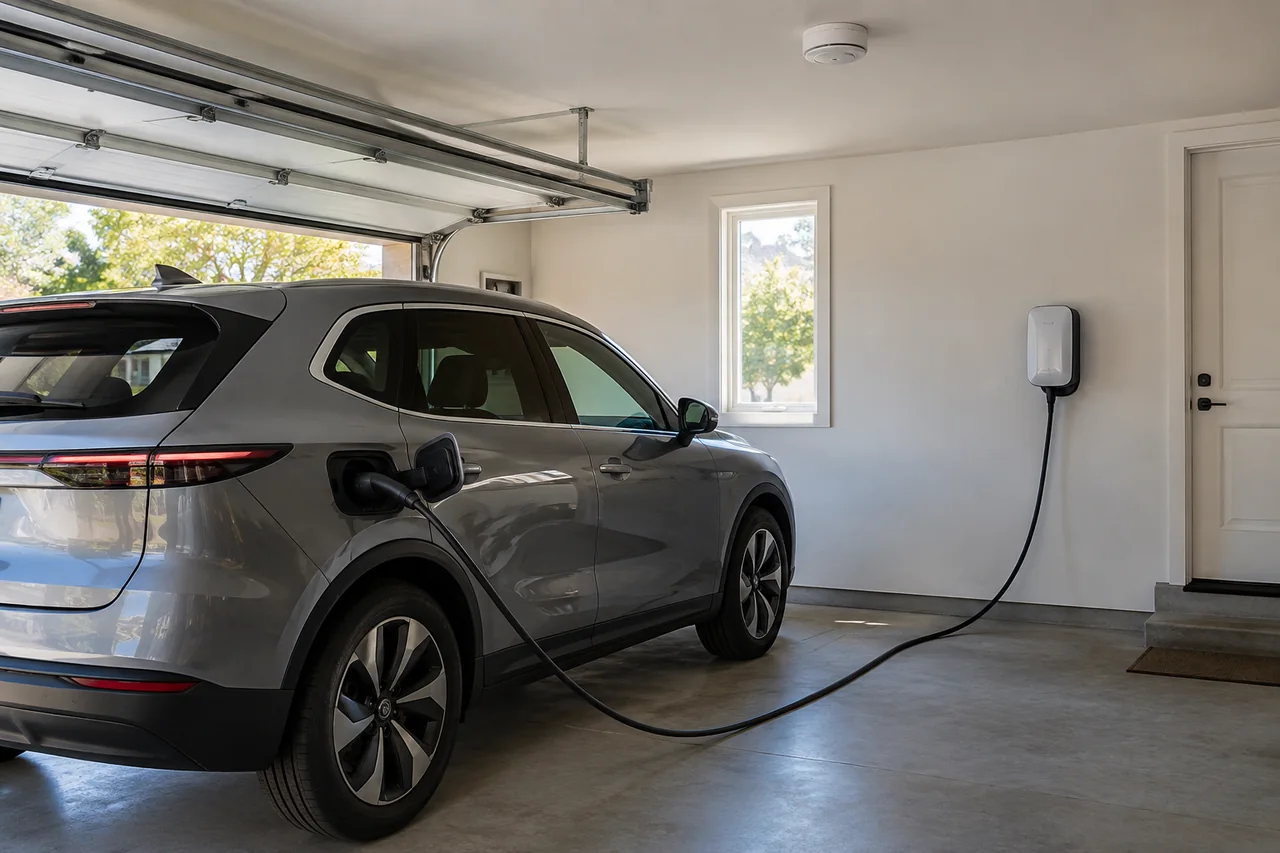
Charging an electric car is generally safe, but you may have seen alarming reports of an electric car on fire while charging and wondered about your own risk. An electric car charging fire risk assessment separates rare, dramatic events from everyday operation. While no electrical activity is entirely free of hazard, understanding how lithium-ion batteries fail, how charging equipment can contribute, and what safe habits reduce danger helps owners make practical decisions at home and at public stations.
How Real Is the Fire Risk When You Charge an Electric Car?
Fires involving electric vehicles are uncommon, yet they receive intense media coverage because they are novel and hard to extinguish. This can make the risk feel larger than it is. A lithium-ion battery stores a great deal of energy in a small space, and if its cells are damaged or pushed beyond safe limits, they can enter thermal runaway. That is a self-reinforcing chain reaction where one cell overheats, releases heat, and triggers neighboring cells to break down, producing intense fire that is difficult to stop with ordinary methods.
Charging is only one of several situations where a battery failure can appear; most fire reports trace back to underlying damage or defective wiring rather than the act of charging itself. A battery that has been physically compromised in a crash, flooded, or struck from below may behave normally for days or weeks before failing during a charge. When an EV battery fire does occur, it burns hotter than a gasoline fire and emits toxic smoke containing hydrogen fluoride and other dangerous gases. Even after the flames are knocked down, the battery can reignite hours or days later, which is why professionals treat every EV fire scene with special caution.
Common Causes of Fires During Charging
A battery that suffered a hard impact, water intrusion from a flood, or underbody damage can develop internal short circuits. These faults may not be obvious at first, but during charging the battery management system pushes current into the cells; the damaged area can heat up and trigger thermal runaway. This is why vehicle makers often recommend a professional inspection after any significant collision or deep-water exposure. A flood-damaged EV battery is especially dangerous because corrosion can slowly eat into cell isolation, leading to a delayed fire even weeks after the vehicle seems dry and functional.
Home wiring is another common factor. An undersized circuit, loose connection, or obsolete panel can overheat under the sustained load of a Level 2 home charger. That charger, also called an EVSE, is designed to use a dedicated circuit with proper ground fault protection. Plugging an EV into a general-purpose outlet, especially through an extension cord or improvised adapter, creates a high-resistance point that can melt and ignite. Worn, crushed, or contaminated charging cables and connectors can also become heat sources. No owner can definitively identify the cause of a fire; that requires a qualified fire investigator who examines the entire charging path and battery system.
What to Do If an Electric Car Catches Fire While Charging
If you see smoke or flames from an EV while it is plugged in, get everyone out of the vehicle and the building immediately, then call emergency services from a safe distance. Do not pause to gather belongings, and do not attempt to unplug the cable. Tell the dispatcher or the first arriving crew that it is an electric car and that it was connected to a charger. That information changes the response strategy, because EV battery fires require different suppression tactics and a longer monitoring period.
Do not fight the fire yourself, even with a home extinguisher, and never approach the car or touch the charging cable once there is smoke or flame. The battery can reignite hours after the fire appears out, and the smoke is hazardous to breathe. Fire crews may need to keep the vehicle isolated and cooled for a long time. After the incident, do not use the vehicle, the charger, or that electrical circuit again until qualified professionals have inspected every part. Contact your insurer as soon as practical to begin the claim process and secure expert evaluation.
Warning Signs to Watch For Before and During Charging
Before and during charging, watch for signs that the system is not handling the load. A plug or socket that feels hot after a session, a discolored or melted plastic housing, a burning or chemical smell, or repeated breaker trips all point to a wiring or equipment problem. Do not ignore warning messages on the dashboard or in the manufacturer's app about the battery or charging system. Some vehicles also display alerts for ground fault or charge port temperature, and these are meant to be acted on before a failure occurs.
If you notice these signs, stop the charging session safely using the vehicle's controls, the charger's stop button, or the app. Do not touch damaged plugs, cables, or the charge port itself; shut off power at the breaker if you can do so without risk. After the session is stopped, let a dealer, EV technician, or licensed electrician inspect the vehicle and home circuit. These warning signs indicate that something is wrong, but they cannot tell you exactly which component has failed, so professional testing is the only way to find and fix the actual fault.
How a Home Charging Fire Risk Assessment Works
A home charging fire risk assessment is usually carried out by a licensed electrician, a charger installer, or someone working for an insurer or landlord. The inspector looks at the electrical panel capacity to confirm the home can supply a dedicated circuit at the charger's rated power. They check the condition of existing wiring, confirm that the circuit has appropriate overcurrent and ground fault protection, and verify that all connections are tight. An older home with a 100-amp or smaller service may need a panel upgrade before a Level 2 charger can be installed safely.
Placement matters too. The charger and its cable should be mounted where they will not be stepped on, crushed, or exposed to water. The area needs clearance from flammable materials, adequate ventilation, and a clear exit path. A working smoke alarm in the garage is a simple but important backup. Local permits and electrical codes vary, so confirm the requirements in your area before work begins. This is not a DIY project; a qualified electrician must perform the installation and provide documentation. Keep the permit, inspection record, and installation certificate for insurance and future maintenance.
Safe Charging Habits at Home and at Public Stations
At home, use only certified charging equipment and the cable supplied or approved by the vehicle manufacturer, and follow the owner's manual for routine use. A dedicated Level 2 home charger with a NEMA or hardwired installation is the intended setup. Before each charge, take a quick look at the cable, plug, and charge port for cuts, cracks, dirt, or corrosion. Keep the charging area clean and uncluttered so heat can dissipate and nothing flammable is nearby. These simple habits catch many problems before they develop into a fire.
Keep the vehicle's software updated, because manufacturers sometimes release battery management improvements or safety notices through official channels. At a public charging station, skip any charger or cable that is visibly damaged, cracked, or wet, and report the problem to the network operator. If you are in doubt about the safety of a unit, find another station. After a flood, a collision, or any impact to the underbody, have a professional battery check before charging again. That check can identify hidden damage that might otherwise lead to a fire during a future charge.