Is a Trailer Brake Controller Necessary
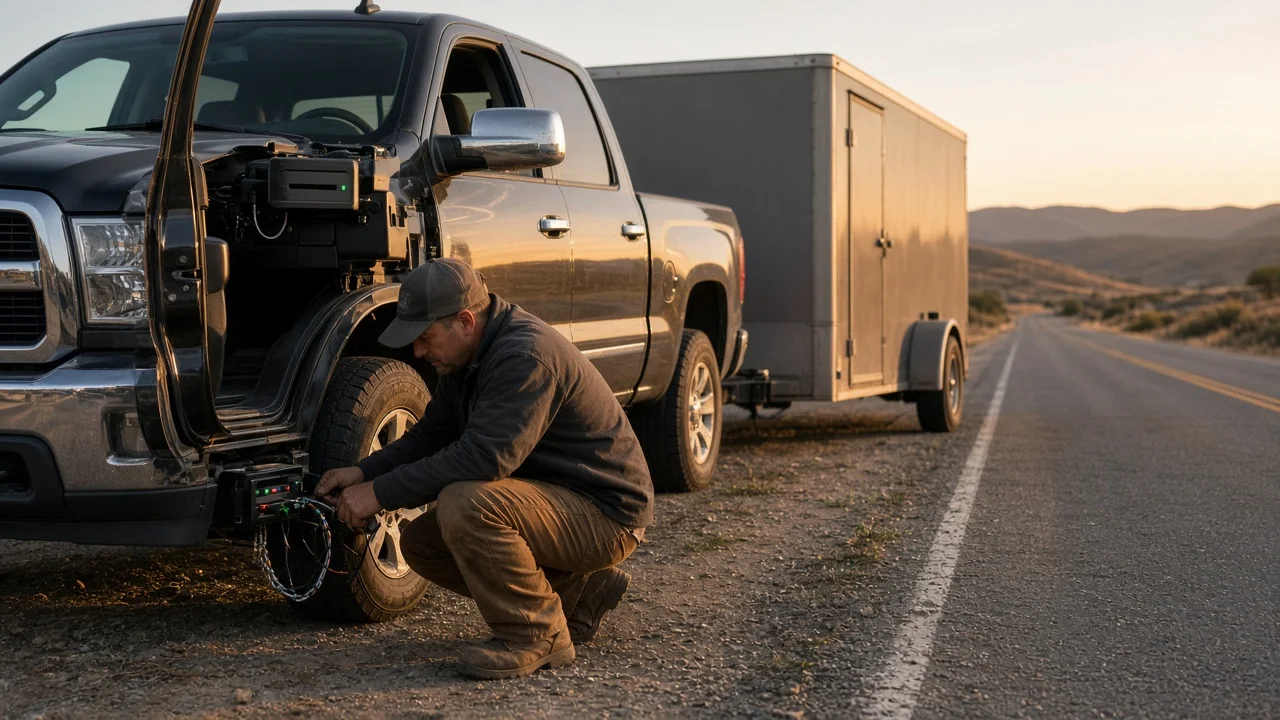
Towing adds mass that changes how a vehicle stops, and the question of whether a trailer brake controller is necessary depends on trailer weight, local rules, and the tow vehicle’s existing wiring. A controller converts the driver’s brake-pedal input into a timed electrical signal for electric trailer brakes, helping the trailer slow with the truck instead of shoving it. Without that coordinated braking, stopping distance grows, rear axle load increases, and the tow vehicle’s brake pads and rotors absorb more heat. The answer below covers when the device belongs in the setup and when a factory module or lighter trailer may make an add-on unnecessary.
Essential answer
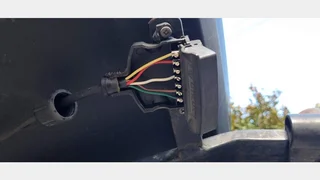
A trailer brake controller is necessary when a trailer has electric brakes and the tow vehicle lacks a functioning factory controller. In that situation the trailer brakes may not activate with the brake pedal, leaving the truck’s friction material, calipers, and brake fluid to manage the extra weight alone. The controller’s job is to read deceleration or pedal pressure and send proportional voltage to the trailer magnets. Without it, the trailer can push the rear axle during hard stops, increasing brake-pad wear and reducing control, especially on grades or in wet conditions where the trailer tires have less grip.
The device is generally not required for very light utility or boat trailers using surge brakes or no trailer brakes at all, because those designs do not rely on an electric signal from the cab. Dedicated towing packages sometimes include an integrated controller or at least a pre-wired connector, so vehicle fitment matters more than a universal rule. In the United States, brake requirements commonly begin at a trailer weight threshold, but the specific figure varies by state. If the trailer axle is equipped with electric drums, the practical answer is yes: install and calibrate a controller before towing it.