Interior Lights Not Coming On When a Car Door Opens: Causes and Checks
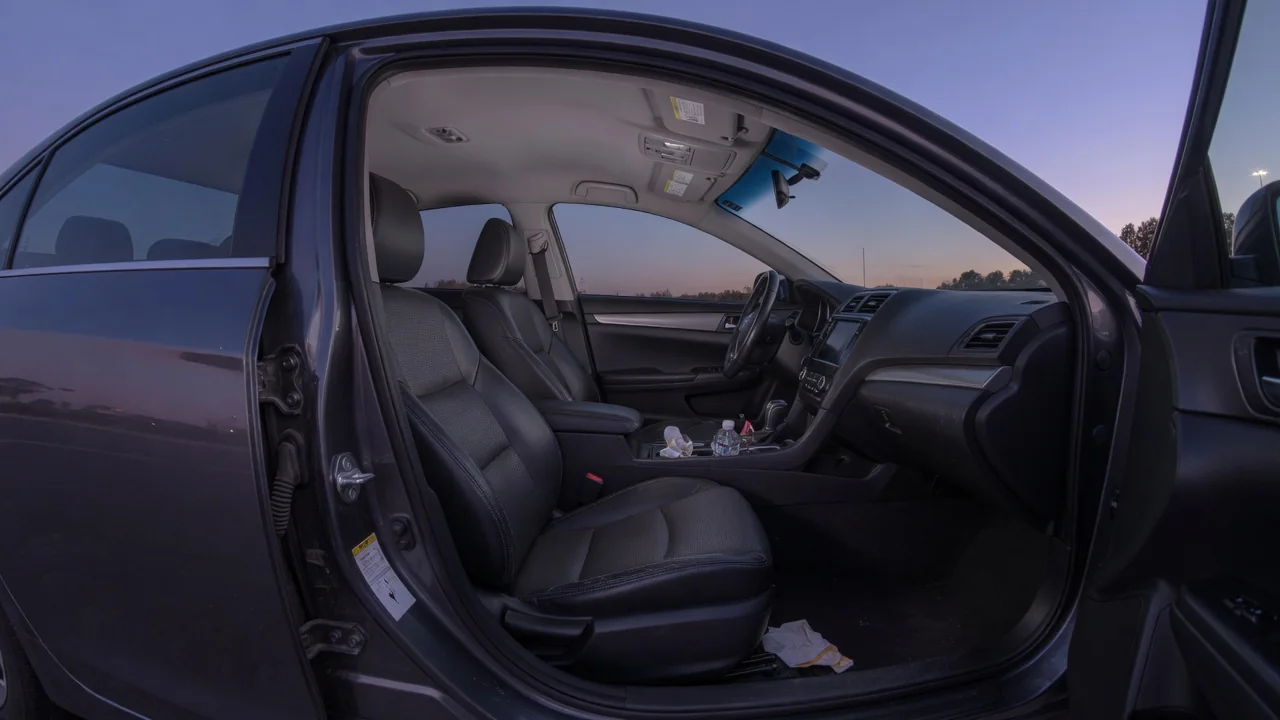
When car interior lights are not working when a door is open, the cause is often simpler than it seems in a dark driveway. A switch position, a menu setting, a bulb, a fuse or a missing door signal can each keep the dome light off. The checks below run from simple to involved, including what to consider when Audi A4 interior lights are not working when a door opens.
First Checks: Light Switch Position, Dimmer and Lighting Settings
Most dome and map lights offer three positions: off, door and on. In the door position the courtesy light responds to an opening door, while off keeps it dark no matter what the doors do. A switch bumped into off while loading cargo or cleaning the headliner is a common, harmless explanation. The same applies to an interior light dimmer rolled all the way down, which on some vehicles also disables the cabin lamps. Some vehicles also let the owner enable or disable door-activated lighting through an infotainment or settings menu, so the owner's manual is worth checking.
Next, press each light's manual switch. If a lamp comes on by hand, its bulb and power supply are working, and the problem lies with the door signal or the logic that acts on it. If it stays dark by hand as well, attention shifts to the bulb, fuse or power feed. It also helps to think about recent events. A battery disconnect, jump start or software update can sometimes return lighting settings to a default state, so a preference that used to be switched on may need to be set again.
How the Car Knows a Door Is Open and Turns the Cabin Lights On
Vehicles generally detect an open door in one of two ways. Older and simpler designs use a door jamb switch, a spring-loaded plunger in the body opening that is released when the door swings away. Many newer designs place a door latch switch inside the latch assembly, where it reports whether the latch is closed around the striker. Either way, the job is the same: tell the car that a particular door is no longer shut, so that lighting, warnings and locking functions can respond.
On many modern cars that signal does not power the lamps directly. It travels to a body control module or comfort control module, which decides when to switch the interior lights on, how long to hold them and how gently to fade them out. That arrangement provides a helpful clue. If the door ajar warning on the dash still appears when a door opens, the signal is probably reaching the car's electronics, and the fault is more likely on the lighting side or in a setting than in the door itself.
Reading the Pattern: All Lights, One Light or One Door Only
A few minutes of structured testing makes the fault far easier to describe. With every door closed and the light switch in its door position, open one door at a time, including the rear doors, and note three things: whether the cabin lights come on, whether footwell lighting follows, and whether the door ajar warning appears. When only one door fails to trigger the lights, the cause is more likely that door's switch, latch sensor or the wiring that flexes at the hinge area than the lamp itself, since the lamp clearly works for the other doors.
When no door wakes the lights but the manual switch still works, a setting, module logic or a shared signal problem moves up the list. Intermittent behavior deserves its own note. Lights that flicker to life when the door is pushed or pulled, or that misbehave in wet or cold weather, can point to a worn switch, corrosion or a damaged wire. A visual check cannot confirm any of these, because a failing contact or a conductor broken inside its insulation often looks perfectly normal from the outside.
Bulbs, LED Units, Fuses and Battery-Saver Timeouts
The number of lights affected says a lot. A burned-out bulb or a failed LED interior unit usually takes out only that one lamp, while a blown interior light fuse or a power-feed problem can darken several cabin lights together. The owner's manual or fuse box diagram shows which fuse protects the interior lighting, and a replacement must carry the same rating as the original. If the new fuse blows again, something in the circuit is shorted, and that calls for proper diagnosis. Fitting a larger fuse only removes the protection the wiring depends on.
Battery saver mode can also mimic a fault. Many vehicles switch off interior lights after a set time with a door open, or stop waking them once the car has been parked for a while, to prevent a flat battery. A weak battery can itself change how lights and control modules behave, so recent slow cranking is worth mentioning to a technician. Aftermarket LED bulbs are another variable. Some vehicles monitor or dim their interior lamps electronically, and a replacement LED may flicker, glow faintly or fail to respond on those systems.
Audi A4: Check Your Generation and Trim First
The A4 has been built across several generations, and interior lighting, controls and electronics differ between them. An explanation that fits one model year may not match another, and trim level or optional lighting packages can change things further. For that reason, the particular door switch, latch design, module or fuse location involved should come from documentation for the exact car, not from a general description. The owner's manual and the fuse chart supplied with the vehicle are the right starting points before anything is assumed to be broken.
In practice, A4 owners can begin with the roof light switch positions and any interior lighting options in the car's menu, as far as their manual describes them. After that, the same one-door-at-a-time pattern applies: open each door individually and compare the lights with the door ajar warning on the dash. If the results point to a specific door or remain unclear, a dealer or a shop experienced with the brand can read live door status data and see whether each door actually reports as open to the car's electronics.
Fault Codes, Module Faults and When to Get Professional Testing
Stored fault codes can add useful evidence, with some limits. A scan tool capable of reading body or comfort modules may show codes related to door switches or interior lighting, but generic engine-code readers often cannot see these modules at all, so a clean result from a basic reader does not rule much out. Body module code meanings also vary by manufacturer. The exact code should be looked up for the specific vehicle before conclusions are drawn, and even then it indicates where to test; it does not prove that a part has failed.
Taking apart door panels, latches or wiring harnesses at home is not advisable. Doors can contain airbag parts, window motors and fragile connectors that are easily damaged or dangerous when disturbed. Professional testing is the better route when no door turns the lights on, when the door ajar warning acts strangely, when other electrical symptoms appear, or when a fuse keeps blowing. A battery that keeps draining also warrants attention, because a door signal stuck in the wrong state can keep modules awake and create a parasitic battery drain.