Infiniti Q50 Spare Tire: Does Yours Have One, and What Are Your Options?
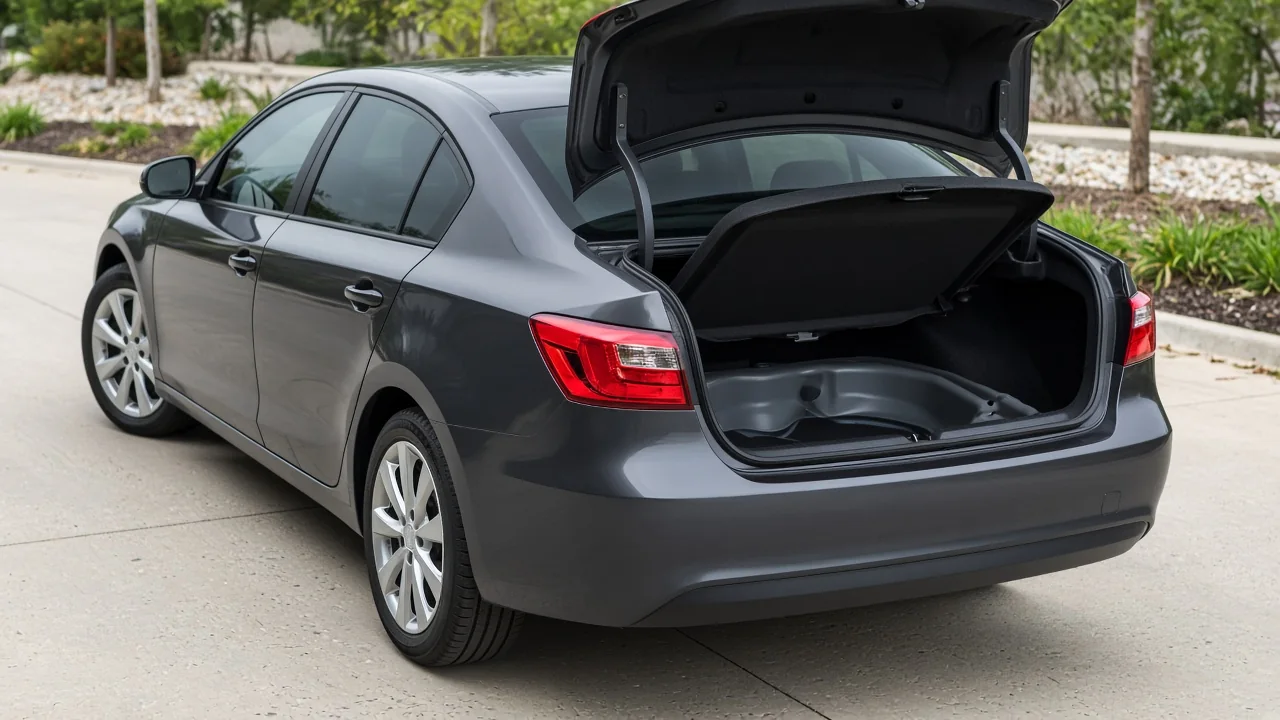
A flat tire can disrupt any drive, and whether your Infiniti Q50 has a spare depends on its equipment rather than the badge alone. Some Q50s use run-flat tires or a tire mobility kit instead of a spare, so the first step is checking what your specific car actually carries. Understanding your Q50’s spare tire storage, factory choices, and flat-tire equipment helps you respond safely when pressure drops. This guide explains how to identify your setup, handle a flat, and prepare a reliable plan without assuming every Q50 is the same.
How to Confirm Whether Your Q50 Has a Spare
Before assuming your Q50 has or lacks a spare, inspect the vehicle itself. Model year, market specifications, factory options, and previous-owner modifications can all change what is installed today. Even if the original window sticker listed a spare, a prior owner may have removed it, or the car may have shipped with run-flat tires and no spare. The only way to know your current situation is to physically check the trunk and compare it with the owner’s manual for your VIN.
Lift the trunk floor panel and look beneath the carpeted cover. If a compact spare is present, it will usually sit in a formed well, often with a jack and lug wrench nearby. Some Q50s instead have a tire mobility kit or only a subwoofer or battery in that space. Original equipment records help, but they are not a substitute for opening the trunk. Distinguish what the factory intended from what your car actually carries today, because tires and emergency gear change over time.
Identify the Tires and Flat-Tire Equipment Already Installed
To know how your Q50 handles a flat, read the tire sidewalls. Run-flat tires are identified by markings such as RFT, RunOnFlat, or a brand-specific term; they allow limited driving after pressure loss. If the sidewall lacks such markings, the tires are conventional and require either a spare or a mobility kit. Tire pressure monitoring alerts only tell you pressure is low—they do not indicate run-flat capability. Do not assume a warning light means you can keep driving.
Check the trunk area for a tire mobility kit, which may include a compressor, sealant bottle, and basic tools. These kits are often stored where a spare would sit, but their presence depends on the original package. Replacement tires can also change your plan: if run-flats were swapped for standard tires and no spare was added, you effectively have no flat-tire solution. Compare what the manual describes with what is actually in the car before you need it on the road.
What to Do When a Tire Loses Pressure
When the tire pressure warning illuminates or you feel vibration or pulling, treat it as a signal to slow down and find a safe place to stop. The exact damage cannot be diagnosed from the cabin; a slow leak, sidewall cut, tread puncture, or impact break may all feel different. Continuing at highway speed can worsen damage and create a dangerous situation. Pull over in a well-lit, level area away from traffic whenever possible.
Before attempting any repair, consult the instructions for your specific tires and vehicle. Run-flat tires have stated speed and distance limits, but those limits vary by manufacturer and load; a blanket “50 miles at 50 mph” rule is not universal. If the tire shows visible damage, severe vibration, or you are unsure whether the tires are run-flats, do not attempt to drive on it. Call roadside assistance and have the car towed or professionally assessed to avoid compounding the failure.
Understand the Limits of a Tire Mobility Kit
A tire mobility kit is a temporary fix for small tread punctures, not a substitute for a spare in every situation. Sealant can plug a simple nail hole long enough to reach a tire shop, but it is ineffective on sidewall damage, large cuts, or a tire that has come off the rim. Trying to seal such damage may leave you stranded or conceal a dangerous condition. Always read the kit’s instructions and know its stated limits before using it.
Inspect the mobility kit periodically: the sealant has an expiration date, and the compressor should be tested for function. When you use sealant, tell the tire shop before they dismount the tire, because it affects repair methods and sensor cleaning. After any temporary measure, have the tire professionally inspected to determine if it can be safely repaired or must be replaced. A sealed tire still needs a proper patch or replacement before normal driving resumes.
Verify Fit Before Adding a Spare Tire
If you decide to add a spare to a Q50 that did not come with one, verify fitment for your exact configuration. Wheel diameter, width, offset, bolt pattern, load rating, and brake clearance all matter. A spare labeled for “Infiniti” or “Q50” may still not clear your brake calipers or match your hub. Check the owner’s manual or consult a tire professional for the correct temporary spare specifications, including whether it fits in the trunk well and secures properly.
Drivetrain matters for tire circumference. All-wheel-drive Q50s are sensitive to differences in tire diameter between axles; a spare with the wrong rolling radius can stress the transfer case or traction systems. If your Q50 is AWD, find out whether the manufacturer permits a temporary spare and what size is approved before driving any distance. Secure storage is equally important: an unsecured spare can become a projectile in a crash, so it must fit the designated space with proper hardware.
Prepare a Flat-Tire Plan Before Your Next Trip
Before your next long trip, build a flat-tire plan based on what is actually in your Q50. If the car has a spare, check its air pressure against the specification on the tire placard or manual—spares lose air over time and may be useless when needed. Also verify that the jack, lug wrench, and locking wheel nut key (if equipped) are present and functional. A quick check now saves a roadside struggle later.
If your Q50 relies on run-flats or a mobility kit, know their limitations and how to use them before a flat occurs. Confirm your roadside assistance coverage details, including towing provisions for AWD vehicles, which may require a flatbed. After any flat-tire event, have a tire shop inspect the tire and wheel for hidden damage before returning to highway speeds. A plan you understand is the best safety equipment you can carry.