Infiniti Q50 and QX60 Timing Chain Replacement Cost
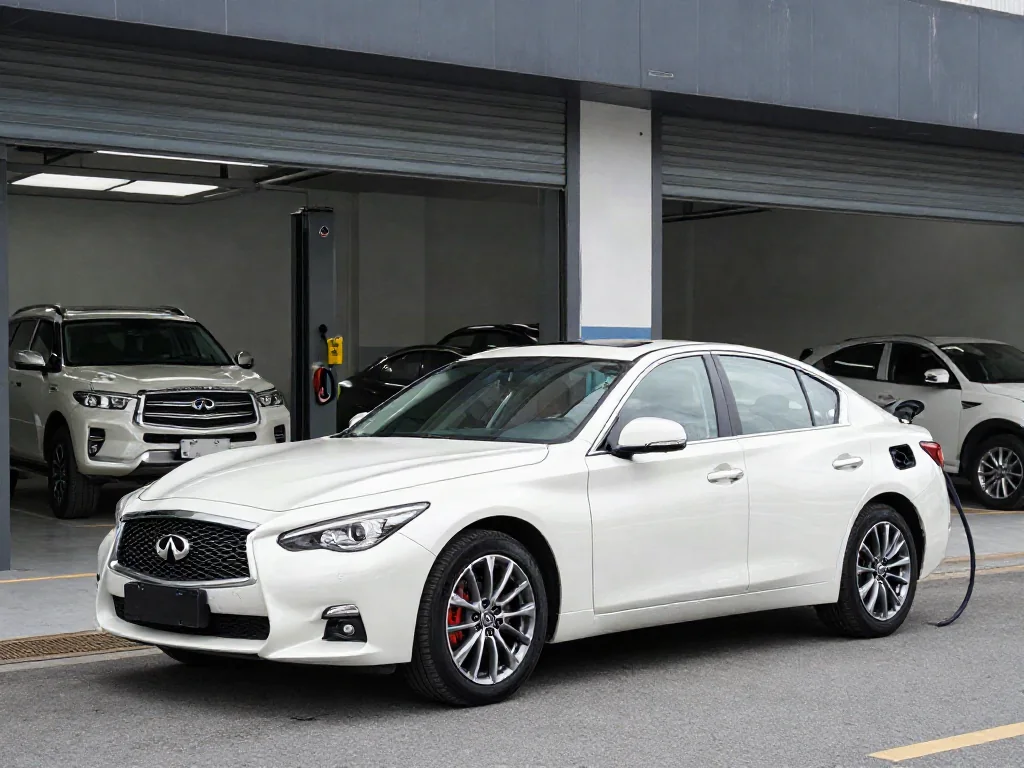
Timing chain concerns in an Infiniti Q50 or QX60 often begin with a cold-start rattle, an illuminated engine light, or a rough idle that doesn’t match the car’s usual character. Owners searching for an infiniti qx60 timing chain replacement cost or an infiniti q50 timing chain replacement cost usually want a realistic number and a straight answer about whether the chain truly needs to be changed. The repair cost depends on confirmation of timing chain wear, the specific engine, and local labor rates, not on an arbitrary mileage. The sections below explain how to turn symptoms into a defensible decision.
Does Your Infiniti Actually Need a Timing Chain Replacement?
A timing chain replacement should follow a confirmed condition or applicable manufacturer guidance, not an assumed mileage deadline. Before estimating labor or parts, a meaningful assessment begins with the model year, engine, mileage, service history, and VIN, because Infiniti has used several V6 and four-cylinder engines across the Q50 and QX60 generations. A well-maintained engine with clean oil and normal oil pressure can run far beyond 150,000 miles with the original chain, while a neglected engine may show measurable timing chain wear and tensioner problems much earlier.
Age, noise, or an engine warning light alone cannot establish that the chain needs replacement. A short startup rattle may come from a timing chain tensioner that bleeds down after shutdown, or from a different component altogether. A stored diagnostic code points toward a system, not a failed part. Without confirming the chain guides, engine timing, and tensioner condition through vehicle-specific testing, a shop that recommends replacement is guessing. The correct first step is diagnosis that connects the symptom to a specific failure, not a blanket engine work order.
Infiniti Q50 Timing Chain Replacement Cost
A useful infiniti q50 timing chain replacement cost expectation requires the model year, engine, location, and confirmed repair scope. Presenting one price as applicable to every Q50 is misleading, because a 2.0-liter turbo four and the later 3.0-liter twin-turbo V6 have different engine-access labor, part counts, and chain layouts. A written repair estimate should break the expected bill into diagnosis, engine-access labor, timing components, seals, fluids, and applicable taxes or shop fees. This itemized structure lets an owner see exactly which charge is driven by parts, which by labor, and which by local rate differences.
The estimate should identify which tensioners, guides, and associated parts are included and why each is recommended. A chain replacement performed without new guides or tensioners can leave a worn plastic surface or a weak ratchet mechanism to shorten the life of the new chain. Associated seals and front-cover gaskets are normally required because the work disturbs sealed surfaces, and fresh oil and coolant are often part of the job. Confirmed internal damage from a jumped chain can change the estimate, but such damage is not an automatic consequence of a timing complaint; it requires evidence from inspection or specific test readings.
Infiniti QX60 Timing Chain Replacement Cost
Before discussing an infiniti qx60 timing chain replacement cost, establish the QX60 model year and engine, and confirm the installed timing system through vehicle-specific service information. Early QX60 models used the 3.5-liter V6, while later versions can have a different engine offering, and oil-pressure or cam-phasing behavior varies by design. A shop that has not verified the engine code and timing architecture cannot responsibly quote the labor. The number of sprockets, the length of the chain, and whether the engine uses a secondary balance-shaft chain all affect the parts list and the time required for correct reassembly.
Labor for access, the diagnosed fault, and the required parts determine the expected replacement total. A QX60 estimate should disclose cost categories including diagnosis, labor, timing components, resealing materials, and fluids. Diagnosis may include fault-code retrieval, oil-pressure testing, and timing-data evaluation before the front cover is removed. An initial estimate may need revision after inspection if a chain guide is broken or a tensioner bore is damaged, and the owner should require a clear approval process for additional work. This keeps the final total tied to findings, not to an open-ended authorization.
Warning Signs That Deserve Diagnosis
Possible symptoms such as startup rattling, persistent engine noise, rough running, starting difficulty, and an illuminated engine warning light deserve diagnosis, but they are not proof of chain failure. A cold-start rattle might last only a second or two while oil pressure builds and then disappear, or it might signal a failing timing chain tensioner. Rough running and hard starting can come from ignition, fuel, or airflow problems, not just from incorrect engine timing. The role of these signs is to prompt an inspection, not to justify immediate internal engine work.
Other mechanical, lubrication, ignition, or fuel-related problems can produce overlapping symptoms, so recording when symptoms occur, their duration, and any dashboard warnings helps a technician narrow the cause. A noise that appears only on the first start of a cold morning behaves differently from one that continues after warm-up. Deliberately reproducing a severe noise is unnecessary and can cause further damage. If the vehicle exhibits loud persistent mechanical noise, an oil-pressure warning, stalling, or severe rough running, stopping safely and arranging professional assessment or towing is the appropriate response.
What Professional Testing Should Establish
A technician needs to connect the reported symptoms with vehicle-specific test results before recommending timing work. Fault-code retrieval alone is not enough; the code must be mapped to the exact engine and model year, because a manufacturer-dependent code for camshaft correlation can have different meanings across engines. Lubrication checks such as oil level, oil pressure, and inspection for sludge or fuel dilution matter because chain tensioners and guides rely on hydraulic pressure and clean oil. Timing-data evaluation may include cam and crank correlation readings, which show whether the mechanical timing relationship has shifted.
The findings should distinguish a chain-related fault from a tensioner, guide, lubrication, or other underlying problem. A tensioner that cannot hold pressure can cause a rattle and a cam-position error without any measurable timing chain wear. A broken guide can create noise and debris without immediately jumping timing. Low oil pressure from a clogged pickup or a failing pump can produce chain noise and variable valve timing codes while the chain itself remains serviceable. A code alone does not identify the failed part; it is evidence to interpret against physical tests and the exact vehicle configuration.
Questions to Ask Before Authorizing the Repair
Before authorizing the repair, ask for the diagnostic evidence, itemized scope, and explanation of which findings make replacement necessary. The shop should be able to say which code, which measured value, or which physical inspection point led to the recommendation. Confirm whether the quoted total includes diagnostic charges, required seals and fluids, taxes, and post-repair verification such as clearing adaptations and confirming cam timing matches expected values. A well-structured estimate shows the part numbers or descriptions for the chain, tensioners, guides, front-cover gasket set, and any one-time-use fasteners.
Request written parts and labor warranty terms and authorization requirements for work discovered during disassembly. The warranty should state both time and mileage limits, and the approval process should require a call or written confirmation before additional charges exceed a set amount. Ask how the shop will verify the repair and address any underlying cause identified during diagnosis, such as an oil-pressure problem or a clogged oil pickup. Without that follow-through, a new timing chain can be installed into the same conditions that damaged the original.