Infiniti G37 Timing Chain Symptoms and Replacement Guide
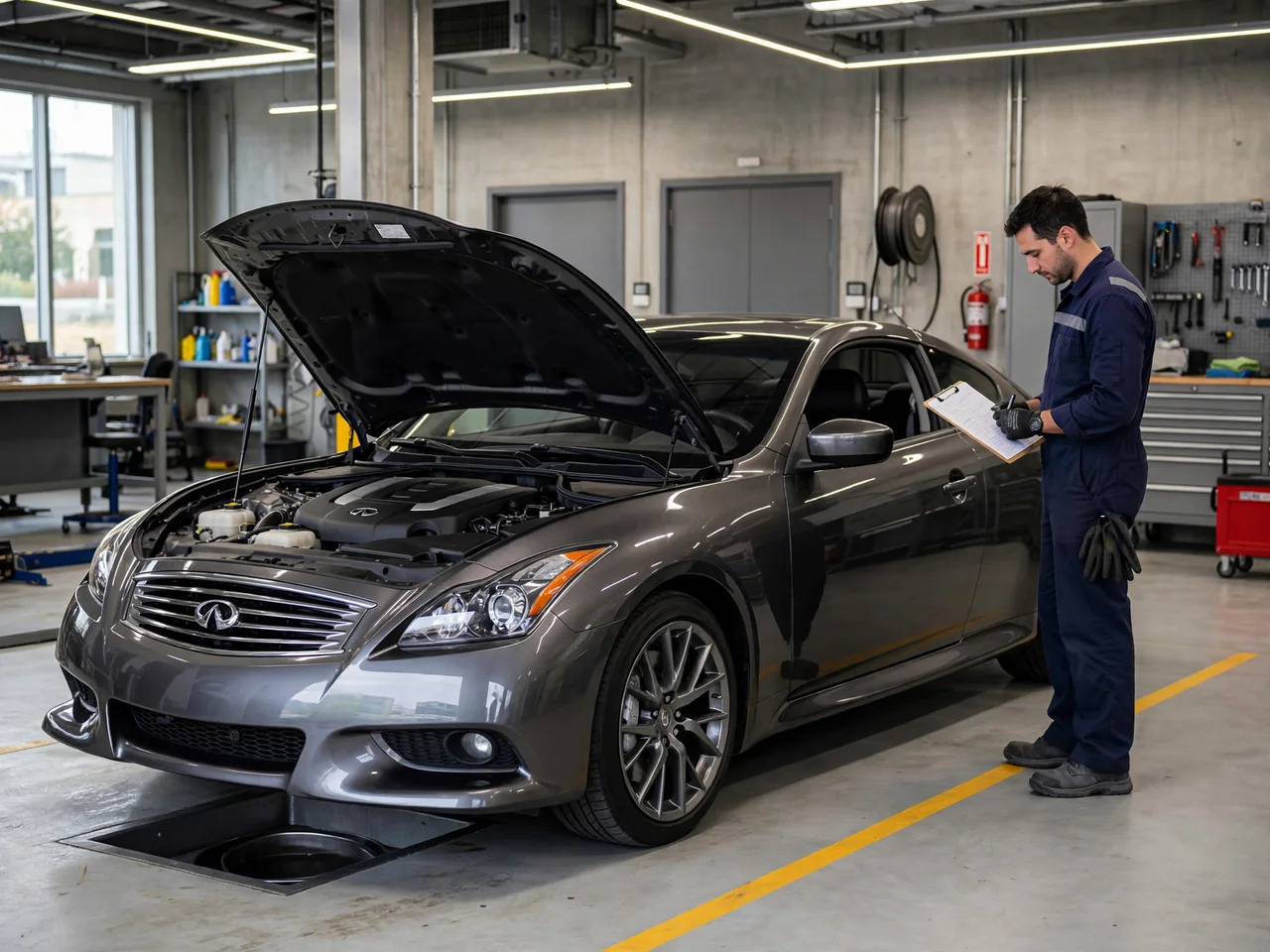
A rattling noise on startup in an Infiniti G37 often raises immediate concern about the timing chain. This component synchronizes the crankshaft and camshafts, and wear in the chain, tensioners, or guides can disrupt engine timing. Symptoms such as rough running, starting difficulty, or an illuminated check engine light may point toward the timing system, but they do not prove a failed chain. Understanding the system, obtaining a proper diagnosis, and knowing when replacement is justified helps owners avoid unnecessary work and catch real problems before internal damage occurs.
Understanding the G37 Timing Chain System
The G37 timing chain system links the crankshaft to the camshafts, ensuring the valves open and close at the correct moments in the four-stroke cycle. A durable metal chain engages with sprockets on both ends, while timing chain guides keep the chain aligned along its path. A timing chain tensioner applies constant pressure to prevent slack that could cause the chain to jump teeth. Engine oil lubricates these components and, in some designs, hydraulically assists the tensioner. When any part degrades, precise valve timing may be compromised, leading to performance issues or triggering fault codes related to camshaft and crankshaft position.
Before evaluating a G37 for timing chain service, confirm the exact model year and engine. The G37 was offered with different VQ-series V6 configurations that may have specific timing system layouts and replacement parts. Service information and component availability can vary, so matching the vehicle identification number to the correct parts catalog is essential. Mileage alone is not a reliable indicator of chain condition. Two vehicles with identical odometer readings may have very different chain wear based on oil change frequency, driving conditions, and whether the engine frequently started with low oil pressure. A decision to replace the timing chain should depend on concrete signs of a defect rather than age or mileage.
Symptoms That Deserve a Timing System Inspection
Several symptoms commonly associated with a G37 timing chain problem deserve careful attention. A brief metallic rattle immediately after a cold start is often described when the timing chain tensioner loses oil pressure overnight and takes a moment to pressurize. A persistent rattling or ticking from the front of the engine may indicate worn timing chain guides allowing the chain to contact metal. Rough running, misfires, or reduced power can result from camshaft timing drifting out of synchronization. Difficulty starting, especially with a crankshaft or camshaft position code, points to the need for timing system inspection rather than assuming the chain itself is stretched.
These warning signs are not proof of failure. A startup rattle can also come from hydraulic valve lifters or a failing accessory drive belt tensioner. Rough running may stem from a vacuum leak, bad ignition coil, or clogged fuel injector. An illuminated engine warning light can be triggered by numerous sensor or emission faults. Before suspecting the timing chain, record when the symptom occurs: cold or warm engine, duration of the rattle, and whether it happens only after an extended sit. Note any accompanying warning lights and whether the engine stalls or loses power. If the oil pressure warning appears, severe knocking develops, or the car stalls while driving, stop safely and have the vehicle towed to a repair shop.
Safe Checks and Professional Diagnosis
Safe checks at home can support a diagnosis without exposing anyone to risk. With the engine off, parked on level ground, and cool, check the engine oil level according to the owner's manual. Low oil level can reduce tensioner function and cause timing chain noise. Review documented oil service history: extended intervals or repeated low-oil operation accelerates chain wear. Look for visible leaks or fresh oil spots under the vehicle without touching hot components or reaching near moving engine parts. A leaking timing cover or front crank seal may indicate degraded gaskets and warrant further inspection of the timing system area.
Professional diagnosis is required to confirm a timing chain fault. A technician may use a mechanic's stethoscope to localize noise to the timing cover area. Oil pressure testing can reveal whether the tensioner receives proper hydraulic force. A scan tool reading camshaft and crankshaft position data can show whether the timing relationship is shifting. Ultimately, removing the timing cover allows visual and mechanical inspection of the chain, guides, and tensioner. Diagnostic trouble codes are only starting points: a code such as P0011 or P0021 indicates camshaft timing over-advanced but does not prove the chain is stretched. The code's meaning must be verified for the specific G37 engine. Recordings of engine noise, visual oil leaks, and basic code scans are helpful but cannot replace a thorough mechanical assessment.
When Timing Chain Replacement Is Justified
Timing chain replacement on a G37 should never be authorized based solely on mileage, age, or a single startup rattle. The decision must follow documented evidence of a defect in the chain, tensioners, or guides. Ask the shop to identify exactly which component has failed and explain which test findings support that conclusion. For example, a tensioner that fails to extend during inspection, visible cracks or missing pieces in the plastic guide, or excessive chain slack measured against manufacturer specifications. These objective findings justify the labor-intensive repair. If the shop cannot explain the failure, seek a second opinion before committing to the work.
The repair scope should reflect the condition of all related timing components. A stretched chain often damages the guides it rides against. Replacing only the chain while leaving an old, weakened tensioner may lead to premature failure and a repeat repair. The chain, guides, tensioner, and associated sprockets should be evaluated together. If valve timing has already slipped significantly, the pistons may have contacted the valves, causing internal engine damage. Before finalizing the repair estimate, a leak-down test or borescope inspection may be necessary to rule out bent valves or piston damage. The shop should communicate these findings and obtain approval for any additional work required.
What a G37 Timing Chain Replacement Estimate Should Include
A professional G37 timing chain replacement involves substantial disassembly. The technician gains access by draining fluids, removing accessory drive components, and unbolting the timing cover. Once exposed, the timing chain, tensioners, guides, and sprockets are inspected. Confirmed defective components are replaced. The timing cover is resealed with a new gasket or sealant, fluids are refilled, and the engine is started to verify normal operation. Accurate camshaft timing setup is critical; specific procedures and tools are required. This is not a driveway job for most owners. Attempting the repair without proper training risks severe engine damage.
Request an itemized estimate before approving any work. The estimate should separate labor charges from parts, listing each timing component, required seals, gaskets, fluids, and any diagnostic fees already incurred. Prices vary by location and shop, so do not expect a universal figure. Confirm that the shop will verify parts applicability using the VIN and vehicle details before ordering. Ask how additional findings will be handled: will the shop call for authorization before proceeding with extra work? What is the expected completion time? What warranty is provided on parts and labor? A written estimate and clear communication reduce the chance of cost overruns and protect against assumptions.
Checks After Replacement and Ongoing Care
After the timing chain replacement is complete, the shop should document the repair. This includes a description of the work performed, the specific parts replaced, and the findings from the inspection. The technician should note that the engine starts normally, idles smoothly, and shows no abnormal noise or leaks. If any diagnostic trouble codes were cleared, a post-repair scan should confirm they do not immediately return. Request the replaced parts be returned to you, or at least a list of what was discarded. Keep the invoice, the replaced-parts list, diagnostic findings, and warranty documentation in the vehicle's service file.
Ongoing care is straightforward but critical. Follow the vehicle's specified oil requirements and maintenance guidance found in the owner's manual. Do not invent a timing chain replacement interval; the chain is designed to last the life of the engine under proper maintenance. Watch for recurring symptoms: a rattling on startup that returns after the repair, rough running, an illuminated check engine light, or new fluid leaks from the timing cover area. These indicate the initial problem may not have been fully addressed or a new issue has developed. Prompt follow-up with the repairing shop protects the warranty and prevents further engine damage.