Infiniti G37 Adjustable Control Arms: Fitment and Selection
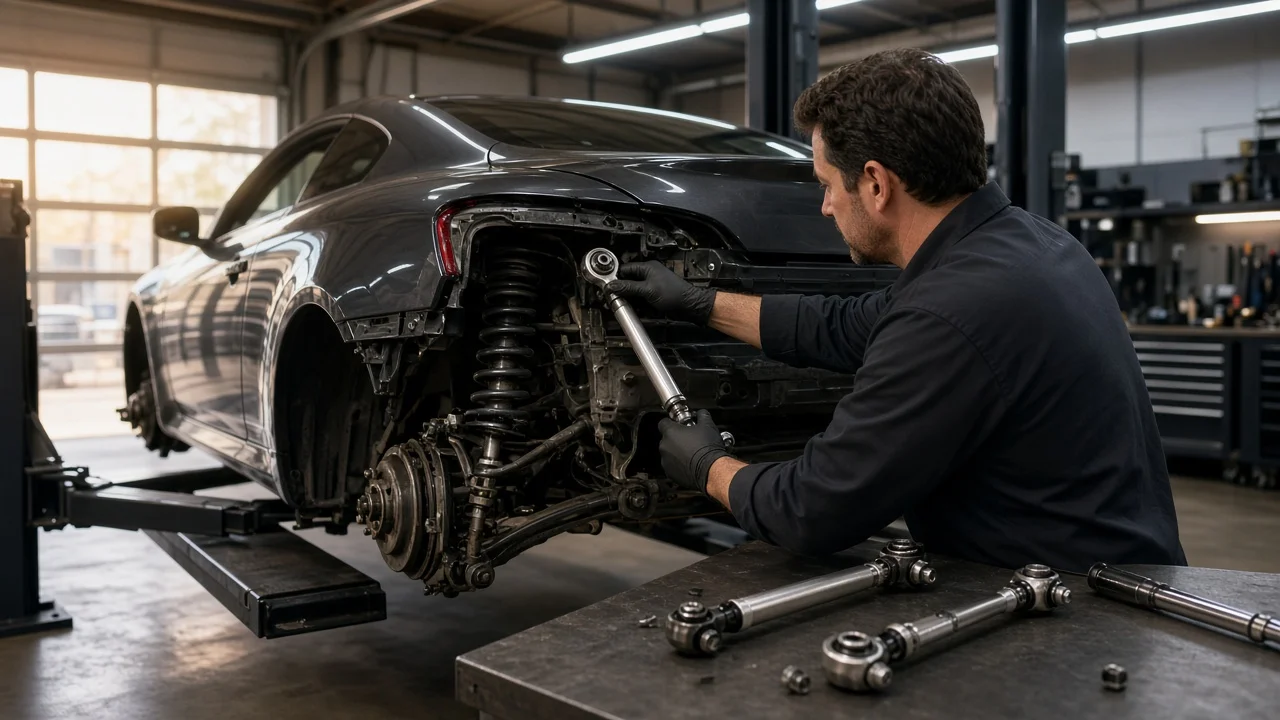
Adjustable control arms for the Infiniti G37 can bring camber or toe back into a usable range after lowering, or fine-tune alignment for a specific driving purpose. They are not a universal upgrade. The right set depends on which arms you actually need, whether the car is rear-wheel or all-wheel drive, how you use it, and how much noise and maintenance you will accept. This guide covers fitment checks, meaningful features, and the ownership costs that follow installation.
Define the job the product must do
Start with the problem you are trying to solve. Most G37 owners look at adjustable arms after lowering the car on springs or coilovers. Lowering changes suspension geometry, typically adding negative camber, and the factory adjustment range may not bring the alignment back within specification. In that case the job is correction: getting camber and toe to a point where an alignment shop can set them properly so the tires wear evenly. A second group wants extra adjustment at stock or near-stock ride height for track days or autocross, where a different alignment target is chosen deliberately. These are different jobs, and they lead to different parts.
Before shopping, get a recent alignment printout. It shows which measurements are out of range and whether the factory adjusters are already at their limits. If the car is at stock height and the readings are out, worn bushings, bent components or damaged mounting points are more likely causes than a lack of adjustability, and they need diagnosing first. Also weigh practical constraints: daily commuting on rough roads, a budget that must include an alignment, and whether you will do the work yourself or pay a shop.
Check compatibility
The G37 shares its basic architecture with related Infiniti and Nissan models, but fitment must be confirmed for the exact vehicle, not the platform name. Note the model year, body style (sedan, coupe or convertible) and drivetrain. All-wheel-drive G37x models differ from rear-drive cars in parts of the front suspension, so a front arm listed for rear-drive cars should not be assumed to fit an AWD car. When a listing groups several related models together, treat that as a reason to verify rather than proof of fit.
Next, identify the specific arm. The rear multilink suspension uses separate links, and kits are commonly sold as rear upper camber arms, rear toe arms or traction rods, while front kits typically address the upper arm or the lower links. Compare the part with your factory component: mounting points, bushing or bearing width, bolt diameter and orientation. Check that the arm clears the wheel, brake hoses, ABS wiring and any sway bar or coilover body through full suspension travel. Confirm the kit includes the hardware it needs, or plan to reuse factory bolts only where the service information allows it.
Finally, check whether the adjustment range covers your need. A published range expressed as a change in arm length is useful. A claim stated in degrees of camber depends on ride height and is only meaningful if the manufacturer states the conditions behind it.
Features that affect the choice
Joint type has the largest effect on how the car feels. Rubber bushings keep noise and vibration close to stock. Polyurethane bushings reduce deflection but can squeak and need the correct grease. Spherical bearings, also called pillow balls or rod ends, remove almost all compliance and give the most precise wheel control, but they transmit more noise into the cabin and wear over time. For a daily-driven G37, rubber or a well-designed polyurethane joint is usually the more livable choice; spherical joints suit cars that see regular track use.
Adjustment design matters at the alignment rack. Arms with a threaded body and locking jam nuts that can be turned while installed save time and labor; designs that must be removed to change length are slower to dial in. Look for clear guidance on minimum thread engagement, accessible wrench flats, and corrosion protection such as plating or coating, especially where roads are salted. On a street car, the choice between steel and aluminum matters less than overall design and finish.
Separate evidence from labels. Useful information includes a stated adjustment range, the joint type and whether bushings or bearings are replaceable, included hardware, installation instructions and warranty terms. Phrases such as race-proven, aircraft-grade or performance-tuned do not tell you whether the part fits or how it will behave on your car.
Limitations and ownership costs
Installation requires proper vehicle support: raise the car at the lift points specified in the service information and hold it on rated jack stands or a lift, never on a jack alone. Many suspension bushings must be final-tightened with the car at normal ride height, loaded on its wheels, to avoid preloading the rubber. Follow the fastener specification in the factory service manual or the arm manufacturer's instructions rather than estimating. Set each new arm to the length of the part it replaces so the car can be driven safely to the shop, then get a full wheel alignment promptly.
Budget for that alignment as part of the purchase, and for a possible recheck after the suspension settles. Inspect the arms regularly: confirm the jam nuts are tight, look for torn boots, and check for joint play, particularly with spherical bearings, which can develop clunks as they wear. Polyurethane joints may need periodic lubrication to stay quiet.
Understand what adjustable arms cannot do. They do not change ride height, fix worn shocks or sagging springs, repair a bent subframe or knuckle, or cure wheel bearing noise. Changing camber can also change toe, so camber arms alone may not stop tire wear if toe cannot be set correctly afterward. Extreme settings used to mask an aggressive drop will still wear tires.
Build a practical shortlist
Narrow the options with a checklist rather than rankings. Confirm year, body style and drivetrain fitment, and that the kit replaces the exact arm your alignment shows is limiting. Choose a joint type that matches how much of the car's driving happens on the street versus the track. Check the published adjustment range and whether the arm can be adjusted while installed. Look for replaceable bushings or bearings, included hardware, corrosion protection, clear instructions and a stated warranty.
Then compare total cost, not just part price: the arms themselves, any additional links needed to set toe, installation labor if you are not doing the work yourself, and the alignment. A technician experienced with lowered G37s can confirm which arms your car actually needs, which often prevents buying a full kit when a single pair would do. Pick the set that solves the measured problem with the least added noise and maintenance you are willing to live with.