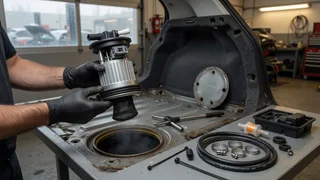
In-tank fuel pump retrofit and conversion kits
Owners moving to electronic fuel injection or replacing a tired carburetor-style feed often look at an in-tank fuel pump retrofit to quiet operation, cool the pump, and steady delivery. A conversion kit pairs the pump with fittings, wiring, a sender-compatible mount, and sometimes a new sock or filter. Matching the tank depth, pressure target, and return path matters before purchase. This guide explains what to check when choosing an in-tank electric fuel pump conversion so the result fits the vehicle, supports the injectors, and avoids repeated tank access.
The direct answer
An in-tank fuel pump conversion is the practical answer when a vehicle keeps an original pickup tube or external mechanical pump but the fuel system has changed. The retrofit places the electric pump in the tank, where liquid fuel cools the motor and the pump pushes instead of pulling. This arrangement helps prevent vapor lock and supports consistent fuel pressure at the injector rail. The change is material when the original tank has a suitable access plate, return fitting, and enough depth for the pump hanger.
Choosing a conversion kit requires confirming that the assembly works with the tank opening and the expected pressure range. A kit built for a returnless EFI system differs from one designed for a carburetor-fed bypass regulator. The direct answer is to buy a complete in-tank kit with the correct pump, bracket, hose, electrical bulkhead, and instructions, then verify sender compatibility. Without that fitment check, a lower-cost pump-only purchase can lead to a second tank drop and repair.