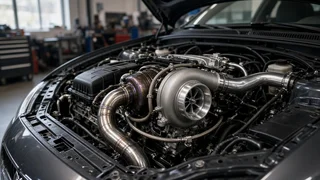
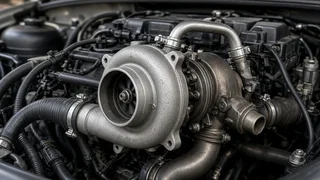
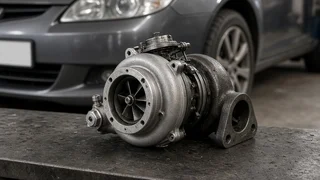
If the turbocharger of car is faulty then

When a car's turbocharger becomes faulty, the symptoms are rarely silent. A failing unit often changes the way boost pressure builds, the sounds from the engine bay, and how efficiently the exhaust exits. In many vehicles, the first signs appear as reduced acceleration, visible exhaust smoke, or an unfamiliar whine that follows gas pedal inputs. Understanding these clues can help an owner distinguish a simple charge-air leak at a hose connection from internal damage. The following guidance explains what a faulty turbocharger may do and how to interpret the most common warning signs before they lead to a more expensive repair.
Direct answer
If the turbocharger of a car is faulty then the engine typically loses power because the compressor outlet can no longer deliver consistent boost pressure. Drivers often notice sluggish throttle response, a flat feeling during acceleration, or reduced pulling power on hills. Exhaust smoke can also appear when oil contamination enters the turbine housing or combustion chambers. The color and timing of the smoke provide useful clues: blue-gray smoke during boost suggests oil passing through worn turbo seals, while black smoke often points to an air metering or charge-air temperature issue that affects combustion.
Not every running problem means the turbo is broken. A loose hose connection between the compressor outlet and intake manifold can produce similar symptoms by allowing pressure loss before the cylinders receive compressed air. In that case the turbo may still spin and sound normal, but the engine behaves weak because the boost never reaches its target. A careful inspection should therefore begin with the external charge-air path, oil supply lines, and intake plumbing before condemning the turbocharger itself. Fault codes are evidence to interpret, not proof that the rotating assembly has failed, because manufacturer-dependent codes require vehicle-specific confirmation.