Identifying a Chevy Transmission Shift Solenoid
Answer the main question
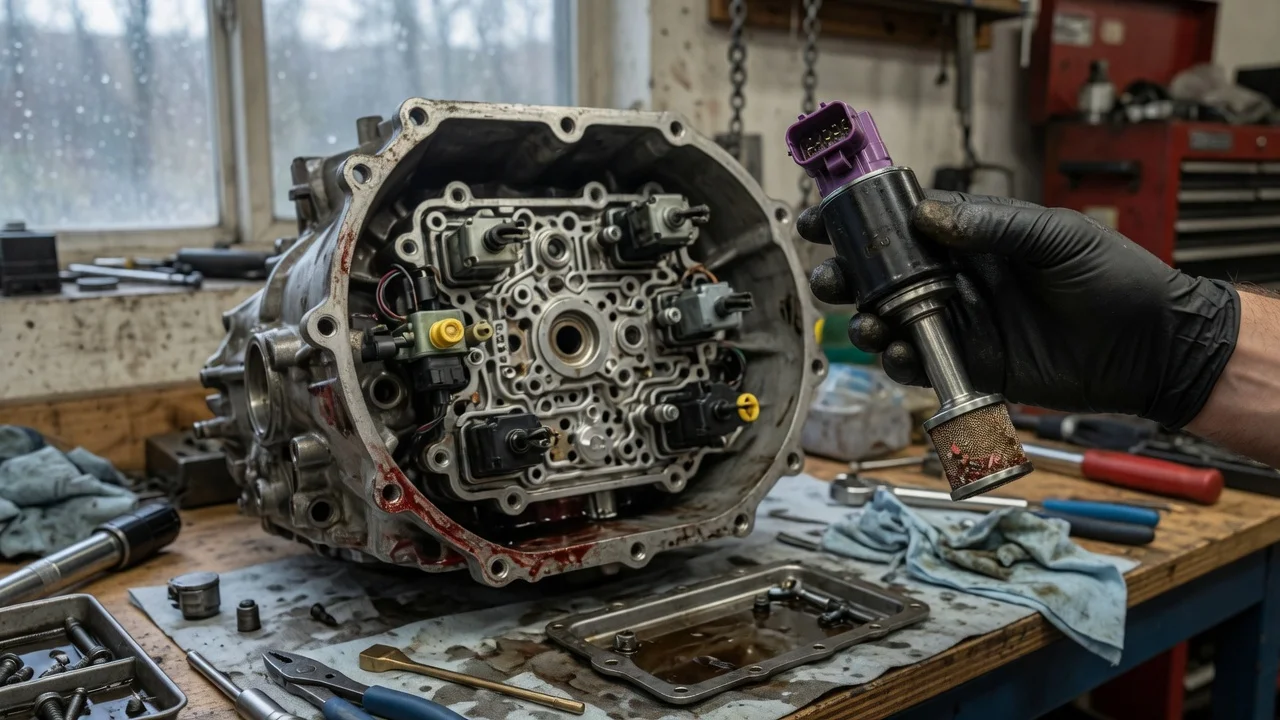
A Chevy transmission shift solenoid cannot be identified reliably by feel alone. The term refers to an electrically controlled valve inside the transmission that directs fluid pressure to the clutch packs and bands responsible for a specific gear change. A precise identification usually needs three pieces of information: the transmission model and configuration, the diagnostic trouble codes stored by the control module, and the symptoms or live shift data that match a particular solenoid circuit. In many trucks and cars the shift solenoids are sold as a set or are integrated with a valve body assembly, so the replaceable item may not be an individual part. On some rear-wheel-drive models the electric shift solenoids are accessible after removing the transmission oil pan, while other designs may require valve body removal or leave the solenoids under the side cover.
How it works
The transmission control module or powertrain control module commands each shift solenoid based on throttle position, vehicle speed, engine load, fluid temperature and other inputs. When the solenoid energizes or de-energizes, a small plunger opens or closes a fluid passage. That change in hydraulic flow applies or releases a clutch or band, producing the next ratio. A faulty solenoid may stick mechanically, lose resistance electrically, leak internally, or respond too slowly. Because the module also reacts to the behavior it commands, a slipping or missed shift can be a solenoid problem, a wiring problem, a pressure problem, or a worn clutch receiving the fluid.
What changes the answer
The identification path changes with the transmission type. A four-speed automatic in an older Silverado or Tahoe often has two shift solenoids with a simple on/off control pattern, while a six-speed or eight-speed unit may use several solenoids with pulse-width modulated pressure control. Fluid specification and service history matter because the wrong fluid level, degraded fluid, or an old filter can produce symptoms that resemble a bad shift solenoid. Fitment is also critical: a solenoid listed for one RPO code or build range may not fit a transmission that looks similar from the outside. Diagnostic codes such as P0751, P0756 or P0776 can point toward a shift solenoid performance range or stuck state, but they still need supporting checks before replacing a part.
What the owner can do
Start by recording the exact shift behavior: which gear change is affected, whether the condition appears cold or hot, and whether it occurs only under light throttle, heavy throttle, or in specific gears. Check the transmission fluid with the engine running and the transmission at the specified temperature, using the correct fluid specification for that model. Note the fluid color and smell, but do not treat an automatic flush or additive as a solenoid repair. If a scan tool is available, read all current and pending transmission diagnostic codes, then watch the commanded gear, solenoid states and slip data during a road test. Compare the scan tool command with the actual shift to see whether the module is requesting a change that does not happen.
If the vehicle has accessible shift solenoids, resistance and continuity checks can be performed with the connector disconnected. Record the values and look for a solenoid that is far outside the specification for its terminal layout. A bench test alone does not prove that a solenoid works under hot fluid pressure, so avoid replacing multiple solenoids based only on resistance. When the transmission has a serviceable pan, inspect the pan bottom and magnet for an unusual amount of clutch material or metal, but remember that normal fine friction material is common on higher-mileage units.
Limitations and next step
A shift symptom is not the same as a confirmed failed solenoid. Worn clutch plates, low line pressure from a pump or pressure regulator, a cracked valve body, a damaged connector, or a wiring fault can all imitate a solenoid failure. Some valve bodies have internal seals and check balls that wear with the same mileage as the solenoids. If the transmission is not fully engaging the commanded gear, a hydraulic test and vehicle-specific service procedure may be required. When the solenoid is not sold separately or the repair involves valve body disassembly, the next step is to consult the factory service information for the vehicle identification number and transmission RPO, or to have a transmission specialist perform a pressure and electrical diagnosis before parts are ordered.