Hyundai Tucson and Kia Sportage Hybrid Battery: Location and Replacement Cost
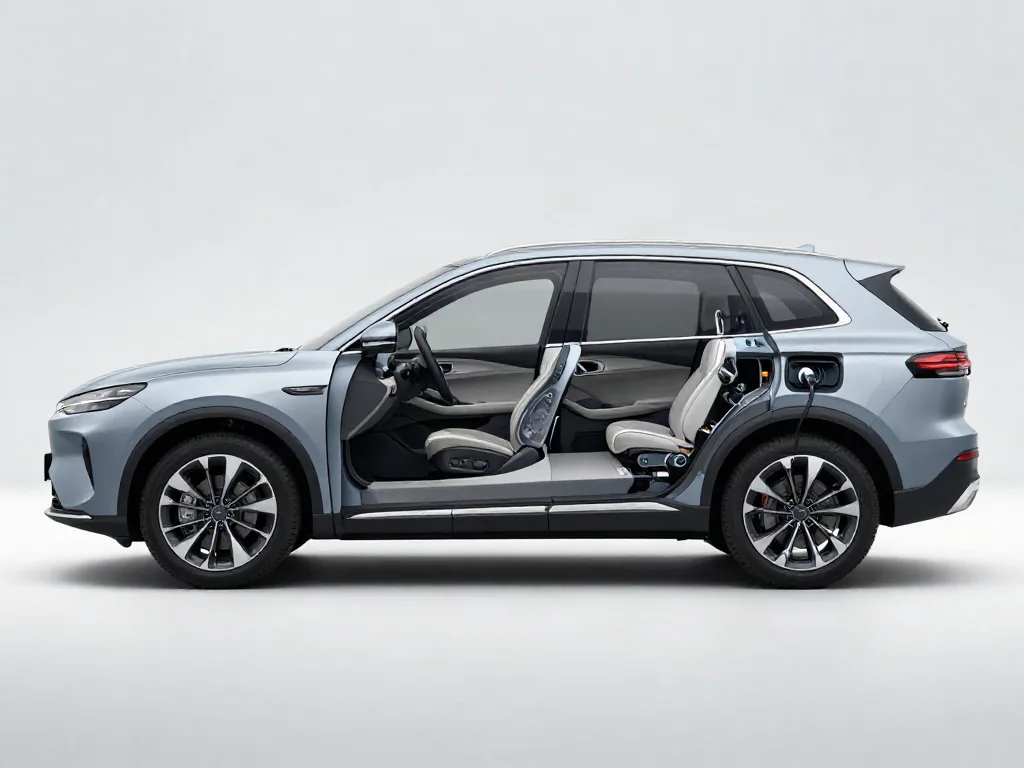
When a Hyundai Tucson hybrid battery replacement cost question arises, owners must first identify which battery is involved. The high-voltage traction battery propels the vehicle, while a separate 12-volt battery powers electronics. A warning light or lower fuel economy does not by itself condemn the traction pack; many faults lie elsewhere. For US-market Tucson Hybrid and Sportage Hybrid models, location, warranty, and replacement factors require careful checks.
Identify the Hybrid Battery and Vehicle Configuration
The high-voltage traction battery stores and delivers energy to the electric motor, supporting acceleration and regenerative braking. The 12-volt battery runs lights, infotainment, and control modules, and it can cause a no-start even when the traction pack is healthy. Hybrid system diagnostics read fault codes related to energy flow, cell voltage, and temperature, so a traction battery code does not automatically mean the pack has failed.
US-market Tucson Hybrid and Sportage Hybrid vehicles share a common platform but have model-year differences. Plug-in hybrid variants may place components differently and include additional cooling hardware. Always confirm the exact powertrain and VIN before applying location or coverage details. This prevents confusing a traction battery issue with a 12-volt problem or another hybrid-system component such as the inverter or battery management controller.
2022 Hyundai Tucson Hybrid Battery Location
On the 2022 Hyundai Tucson Hybrid, the high-voltage traction battery is located beneath the rear seat and extends under the cargo floor. The pack is sealed and hidden by interior trim, so it is not visible from the passenger area. The 12-volt battery is typically mounted elsewhere, often in the engine bay or a cargo side panel. Owners should interpret the rear floor hump as a design feature, not an access point.
Knowing the pack's location does not mean an owner can remove trim panels to inspect it. High-voltage components, orange cables, and battery covers carry lethal voltage and must remain untouched. Any service involving the traction battery requires de-energizing the system by a qualified technician. For general battery diagnostics, starting with the 12-volt system and stored fault codes is safer and often more productive.
2023 Kia Sportage Hybrid Battery Location
The 2023 Kia Sportage Hybrid places its traction battery under the rear seat and forward cargo area, similar to the Tucson Hybrid. The pack sits low for weight distribution and is concealed under interior trim and protective shields. The 12-volt battery is not co-located; the vehicle may provide a jump-start terminal under the hood or a battery in the cargo area. Location details alone do not reveal the 12-volt service point.
Do not apply 2023 Sportage Hybrid battery location data to later model years or plug-in versions without confirmation. Design changes can move the pack, alter cooling ducts, or revise interior panels. Owners should verify their specific VIN configuration through the owner's manual or dealer. The traction battery location also does not indicate where to connect jumper cables; always follow the manual's jump-starting procedure.
Hyundai Tucson Hybrid Battery Replacement Cost Factors
A customer-pay estimate for a Tucson Hybrid battery replacement depends on the VIN-specific battery assembly, which varies by model year and trim. The quote may cover a complete pack or a module, but most dealers price the full assembly. Labor includes de-energizing the high-voltage system, removing interior trim, replacing the pack, and running post-installation tests. Additional costs can include diagnostic time, coolant, taxes, and a core charge refundable upon return of the old battery.
An itemized estimate should list the diagnostic fee, battery part number and scope, labor hours, possible core credit, and replacement warranty. The core charge is usually credited back after the old pack is returned. Before approving work, confirm whether the estimate covers the entire traction battery or only a related component. A battery warning or reduced fuel economy alone does not prove the pack needs replacement; the fault could lie in a sensor, wiring, or battery management system.
Kia Sportage Hybrid Battery Replacement Cost Factors
For a Kia Sportage hybrid battery replacement, an accurate estimate requires the VIN and a confirmed diagnosis. The dealer or repair shop must identify the exact replacement assembly for that model year and trim level. Parts availability, shipping, and regional labor rates affect the total. Diagnostic time is often billed separately, and a core charge may apply until the old battery is returned. Local taxes and shop supplies add to the final invoice.
The written estimate should state whether it covers the complete high-voltage battery pack or a different hybrid component such as an inverter, DC-DC converter, or battery control module. Any additional work, like reprogramming or cooling system service, must be approved by the owner. Confirm that the proposed replacement part number matches the vehicle's configuration. A parts-and-labor warranty should be included in writing, specifying duration and coverage limits.
Check Warranty Coverage and Confirm the Fault
Start with the US warranty booklet for the specific model year. The hybrid system warranty may cover the traction battery longer than the basic warranty, often depending on emissions standards and state regulations. A dealer can check coverage using the VIN, in-service date, and current mileage. Ownership transfer may not eliminate coverage, but exclusions apply for collision damage, modification, or improper service. A dealer check clarifies the owner's potential responsibility.
A qualifying battery defect is different from gradual capacity loss over time. Water intrusion or accident damage may not be covered. Record exact warning messages, when symptoms occur, starting behavior, and any recent collision or water exposure. These observations guide diagnosis but do not identify the failed component. If the vehicle shows smoke, unusual heat, or signs of battery damage, stop driving and stay away. Qualified high-voltage diagnosis is required before any replacement decision.