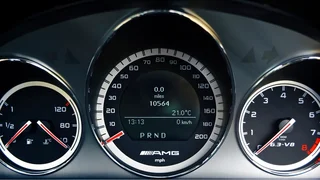
Hyundai retro car interiors
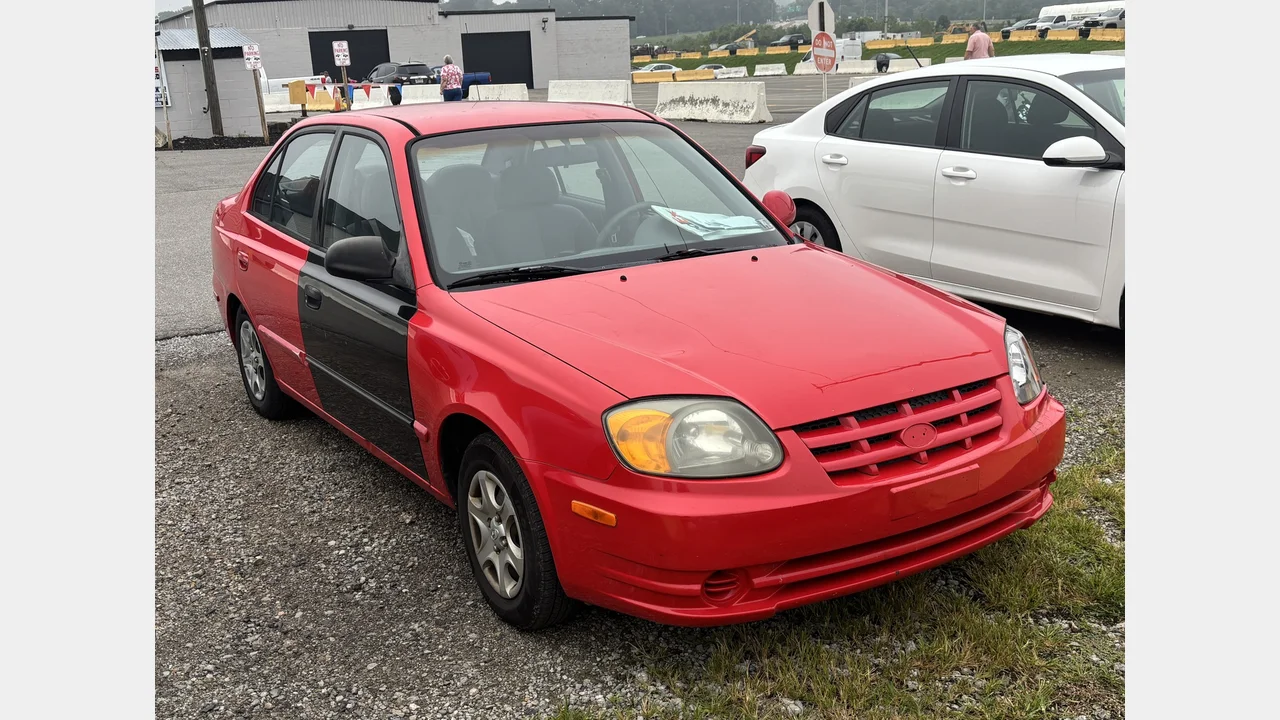
A Hyundai retro car interior blends modern cabin architecture with design cues inspired by earlier automotive eras. Drivers researching this look usually want to know how the cabin shapes colors, materials, and controls into a nostalgic yet usable driving environment. The measured search interest around “hyundai retro car interior” suggests an informational need rather than a narrow technical problem. Because interior styling changes by model, market, trim level, and production year, the useful answer focuses on the general design language and how trim material, finish, surface preparation, attachment points, and material compatibility influence the impression a retro cabin creates.
Essential answer
The essential answer is that a retro-style Hyundai interior typically uses familiar modern ergonomics while recalling visual elements from older vehicles. This may include rounded dashboard shapes, simple gauge graphics, warm two-tone upholstery, textured trim panels, or column-like steering wheel details. The style is not a single official package; it varies across concept vehicles, special trims, and owner modifications. Without confirmed model-specific evidence, the safest description is a design direction rather than one fixed feature list. The cabin still must meet modern safety, space, and usability expectations, so the nostalgia is expressed mainly through surfaces and forms rather than through exact replica parts.
A practical way to evaluate the look is to separate decoration from function. Trim material choice affects how convincingly a cabin reads as retro, while attachment points determine whether a change is stable enough for daily use. Surface preparation matters when an owner restores or re-colors interior panels, because many modern plastics require careful cleaning before finish work. Material compatibility is equally important, since a period-style paint or adhesive can damage low-gloss soft-touch surfaces. The goal is usually a balanced interpretation: recognizable retro cues integrated into a cabin that remains quiet, comfortable, and serviceable in ordinary driving.