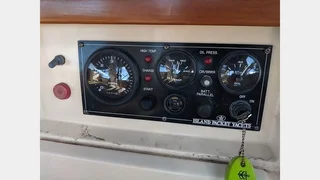
Hyundai engine oil pressure warning light
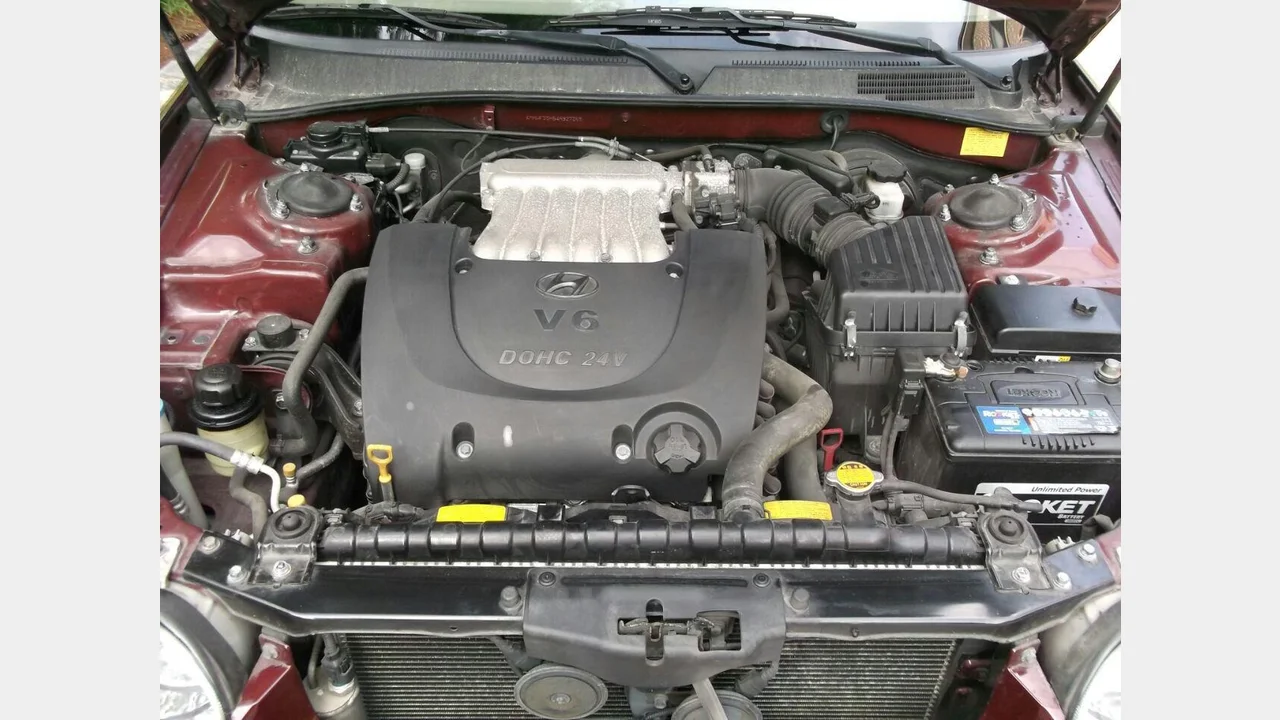
A Hyundai engine oil pressure warning light is a critical dashboard signal, not a reminder to schedule service at a convenient time. It indicates the lubrication system may have lost the ability to circulate oil at the pressure the engine expects. Drivers researching this warning for vehicles such as a Sonata often need to understand whether the condition is related to a simple level check, a sensor concern, or a deeper mechanical fault. The correct response depends on when the light appears and what other observable signs accompany it.
Essential answer
The engine oil pressure warning light in a Hyundai illuminates when the oil pressure reading falls outside the expected operating range, or when the sending unit circuit reports a condition the instrument cluster interprets as low pressure. This warning does not directly measure oil quality or remaining service life; it reflects whether the lubrication system is maintaining sufficient pressure to protect bearings, camshafts, and other moving parts. Because the light can appear with the engine at idle, under acceleration, or only when hot, the circumstances of the warning help distinguish between fluid level problems, oil viscosity issues, and electrical faults.
A steady warning at idle or a flickering light that changes with engine speed often points toward low oil level, a failing oil pump, worn engine bearings, or an incorrect lubricant specification for the operating conditions. On a Hyundai Sonata or similar model, the warning should be treated as an immediate reason to check the oil level and stop driving if the level is low or the warning remains with the engine running. An intermittent signal may still indicate real pressure loss, so the light should not be dismissed as a nuisance until the circuit and pressure source have been properly evaluated.
Diagnosing a problem
Begin with a level check on level ground after the engine has been off long enough for oil to drain back into the pan. A reading below the safe range supports the simplest explanation: insufficient fill quantity allows the pickup to draw air, especially during cornering or acceleration. Topping up with an oil meeting the manufacturer approval for that Hyundai engine may restore the warning to normal, but repeated low readings also warrant attention because they can indicate consumption through worn rings, valve seals, or external seepage.
If the level is correct and the warning persists, the next observable distinction is whether the light is accompanied by abnormal engine noise, rough running, or changes in coolant temperature. Those symptoms increase the likelihood of a genuine pressure loss from a restricted pickup screen, failing oil pump, or bearing clearance that has opened beyond design limits. A warning with no mechanical symptoms can still be caused by a faulty sending unit or damaged wiring, but a pressure sensor signal should be interpreted with a mechanical gauge or qualified diagnostic scan before assuming the problem is electrical. Continued operation with an unverified low-pressure condition risks severe engine damage.