Hyundai Elantra Hybrid Battery Replacement Cost: What Shapes the Price
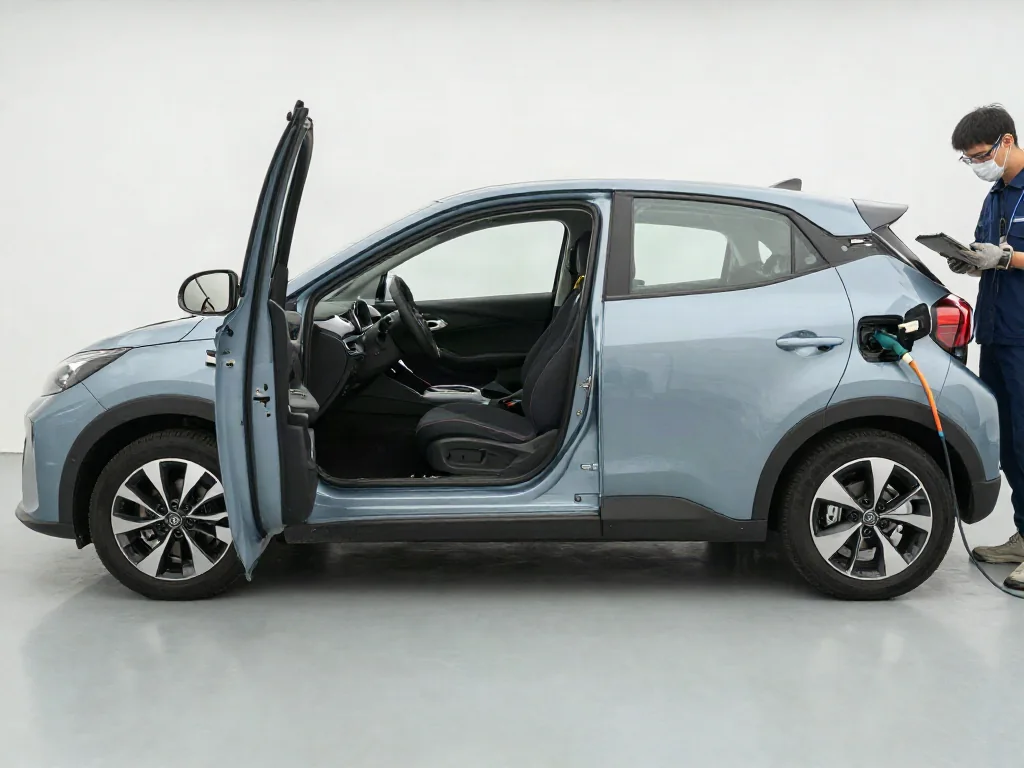
A failing hybrid battery can turn a fuel-efficient Hyundai Elantra Hybrid into an anxious ownership experience. The replacement cost depends on part type, labor, warranty status, and diagnostic findings. Before assuming the worst, owners should separate battery health facts from warning signs and check the vehicle-specific hybrid component coverage. Understanding what shapes the price helps you avoid overpaying while ensuring the repair is done safely and correctly.
What Goes Into an Elantra Hybrid Battery Replacement Bill
The main cost of replacing a hybrid battery is the high-voltage pack itself or, in some cases, individual battery modules. Labor time adds to the bill because technicians must safely disable the high-voltage system, remove interior trim, and handle heavy components without damaging nearby wiring. Diagnostic fees, shop supplies, and any related parts—such as a battery cooling fan, air filter for the pack, or high-voltage disconnect—can also appear on the estimate. Ask what is included before approving work.
Quotes vary by region, shop type, model year, and whether the part is new, remanufactured, or used. A new original equipment pack costs the most but usually carries the longest warranty. A remanufactured hybrid battery may offer a balance of price and assurance, while a used pack has the lowest upfront cost but the least predictable remaining life. Request a written, itemized estimate that names the part source and states the part warranty and labor warranty separately. Final cost can change if diagnosis finds a sensor, cooling component, or connection is at fault instead of the pack.
Checking Hyundai Hybrid Battery Warranty Coverage First
Before paying for any replacement, confirm warranty coverage for your specific VIN and model year through the Hyundai owner portal or a dealer. Hybrid component warranty terms can differ by model year, state emissions rules, and whether you are the original buyer or a later one. Do not rely on general claims online; your written warranty booklet and dealer lookup tool reflect the exact terms that apply to your car. Keep records of warning lights, diagnostic reports, and service history to support your claim.
A covered battery failure means the pack no longer meets performance or capacity standards under normal use. Warranties typically exclude damage from collision, flooding, unauthorized modifications, or neglect. Read the exact wording in your warranty for time and mileage limits. If the dealer denies coverage, ask for the test results and the specific warranty language they used. Sometimes a 12-volt auxiliary battery or software issue can mimic hybrid battery failure, and those parts often fall under different coverage.
How Long an Elantra Hybrid Battery Can Be Expected to Last
Hybrid battery life depends more on operating conditions than on a fixed number of years or miles. Frequent high-heat exposure, deep discharges from sitting unused, and a clogged battery cooling fan can accelerate capacity loss. Gentle driving with regular use and a clean cooling intake helps the pack stay balanced. Many Elantra Hybrid owners will never need a replacement during their ownership. High mileage alone does not mean the pack is worn out; a health test is the only reliable way to judge battery state of health.
Gradual capacity loss shows up as a slow drop in fuel economy, less electric assist during acceleration, or the engine running more often than it used to. These changes can be subtle and easy to blame on weather or driving style. If you notice a steady decline over several tankfuls, a hybrid battery health test can measure actual capacity against original specifications. Avoid assuming failure from age or odometer reading. The goal is to replace the pack only when testing confirms it can no longer perform adequately.
Warning Signs That Point to a Hybrid Battery Problem
Safe symptoms owners can notice include a hybrid system warning message, a check engine light, falling fuel economy, the engine running more than usual, or a state-of-charge display that jumps or drops irregularly. Write down when each symptom appears—after a cold start, under hard acceleration, in hot weather—and share those notes with the technician. These clues help narrow down whether the issue is the hybrid battery pack, the 12-volt auxiliary battery, a sensor, or the battery cooling fan.
None of these symptoms proves the main pack is failing. A weak 12-volt battery can trigger multiple warning lights and prevent the hybrid system from starting. Software updates or a failing battery cooling fan can reduce electric assist even when the pack is healthy. If trouble codes appear, their meanings for hybrid systems can depend on the manufacturer. Ask the technician to check the Hyundai-specific definition for your vehicle before drawing conclusions. The same code can mean different things in different hybrid platforms.
High-Voltage Safety and Why Pack Work Belongs With Trained Technicians
The hybrid battery pack and orange high-voltage cables carry lethal voltage. Never open, probe, disconnect, or touch them. Even with the ignition off, the pack can retain a dangerous charge. Owner actions should be limited to reading dashboard messages, keeping battery cooling intake areas free of obvious obstructions as shown in the owner's manual, and booking an inspection with a trained hybrid technician. Do not attempt to jump-start the high-voltage system or clear codes with generic tools.
Professional testing typically covers reading hybrid system data, checking the balance and health of individual modules, and inspecting the cooling system for airflow and fan operation. Technicians follow manufacturer procedures to safely isolate the pack before any work begins. If you ever see smoke, smell burning, notice visible damage to the pack area, or get a serious hybrid system warning while driving, pull over safely, turn off the car, and have it towed. Continuing to drive can turn a repairable issue into a fire risk.
Replacement Choices: New, Remanufactured, Used or Module-Level Repair
New packs come from the manufacturer and carry the longest warranty but the highest cost. Remanufactured hybrid batteries are rebuilt with tested cells and often include a shorter warranty at a lower price. Used packs from salvage yards are cheapest but have unknown history and no guaranteed remaining life. Module-level repair replaces only the weakest modules in your existing pack. Ask how the remaining modules are tested and what warranty covers the repair. Confirm any replacement pack matches your exact model year and VIN.
Before buying, ask the shop whether its technicians are trained on hybrid systems, how the old pack is recycled or handled as a core charge, and how any warning codes will be cleared and verified after installation. A core charge may be refunded when you return the old pack. Avoid assuming parts from other Elantra or Kia models will fit; hybrid electronics, connectors, and mounting differ by generation. A VIN-specific parts lookup is the safest way to ensure compatibility.
Deciding Whether Replacement Makes Sense for Your Elantra Hybrid
Compare the repair estimate against the car's overall condition, mileage, other upcoming repairs, and how long you plan to keep it. If the rest of the vehicle is solid and you intend to drive it for years, a quality replacement can be worthwhile. If the car needs other expensive work soon or you plan to sell within a year, a cheaper used pack or module repair might make more sense. Getting more than one diagnosis or quote is especially important for a major repair.
A documented battery replacement or a clean hybrid battery health report can reassure a future buyer and support a higher resale value. Keep every record: warranty confirmation, diagnostic printouts, itemized invoices, and part warranty documents. Before approving work, walk through a simple checklist: check warranty status by VIN, get a professional diagnosis, compare itemized quotes, confirm the part matches your car, and keep all paperwork. This gives you confidence whether you repair or move on.