Hyundai Car Insurance: Factors That Affect Your Quote
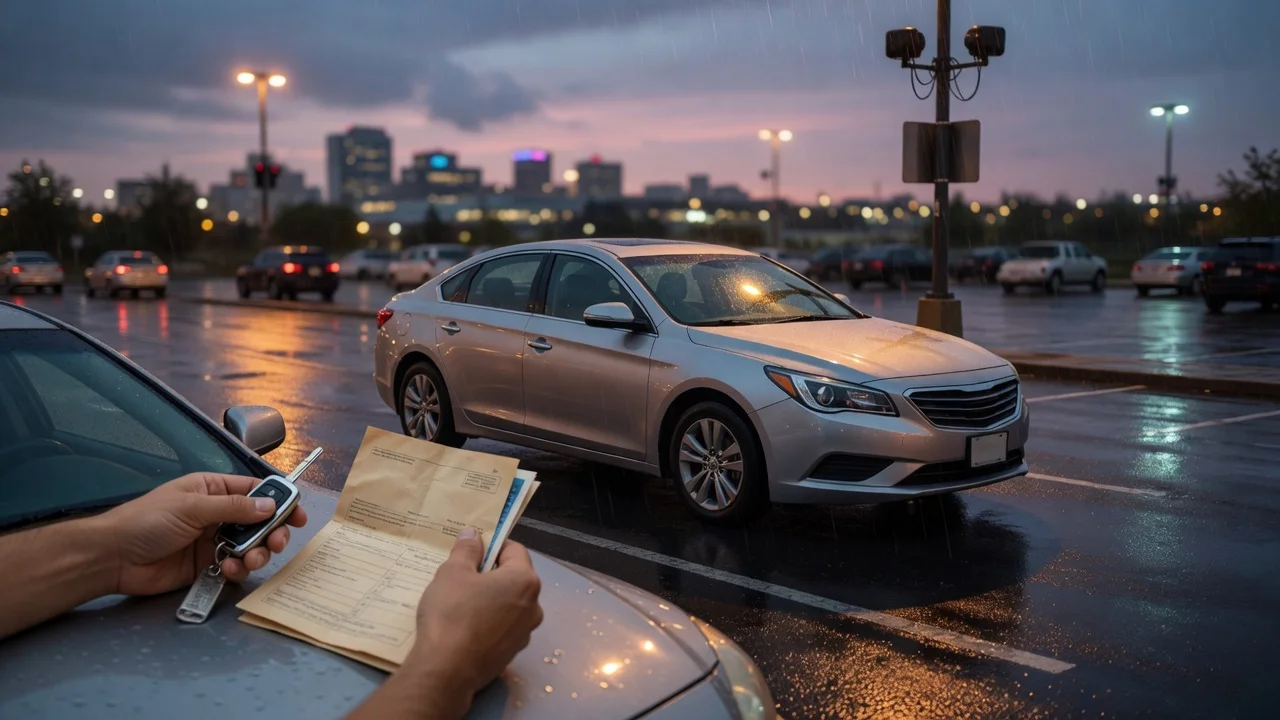
What actually sets a Hyundai insurance quote
A quote to insure a Hyundai is not a single list price for the brand. Insurers price the individual vehicle, the person who will drive it, where it will be kept and used, and the cover selected. Two Hyundais of the same nameplate can produce very different premiums if they differ by model year, trim, powertrain or market, or if the driver profile changes. The figures that appear on a quote are calculated at the time of enquiry; they are not a published factory specification.
The essential answer is therefore this: Hyundai ownership does not lock in a standard insurance cost. The quote is the product of vehicle risk (value, repair cost, theft and claims history for that specification), driver and household risk, and policy choices. Material qualifications include generation and ignition type on older US-market cars, performance and electric variants, and the fact that rating rules differ by country and by insurer.
Vehicle factors that typically move the premium
Insurers group vehicles by make, model, year and often by trim or body style. A compact sedan, a three-row SUV and a performance hatch are not rated as interchangeable Hyundais. Replacement value, parts and labour cost, crash-repair complexity and how often that specification appears in claims all feed the vehicle portion of the rate.
Model and body style: an Accent or i10 is rated differently from an Elantra or i30, a Tucson or Santa Fe, a Palisade, or a van such as the Staria, because value, weight, repair paths and typical use differ. Generation and model year: a facelift, a new platform or a change in safety equipment can move a car into a different rating group even when the nameplate stays the same. Trim, engine and transmission: turbo, hybrid, plug-in hybrid and fully electric powertrains, plus N and N Line performance variants, usually sit in different groups from the base petrol or diesel equivalent because power, value and repair cost change. Safety equipment: electronic stability control, autonomous emergency braking, lane support and strong crash-test results can support discounts where the insurer recognises them; they do not automatically cancel a higher vehicle value. Repair and parts cost: aluminium panels, advanced driver-assistance sensors, panoramic roofs and high-voltage battery packs can raise the cost of a typical claim, which insurers may reflect in the rate. Theft and unauthorised-use history for that specification: models with a documented theft pattern in a given market are often rated higher until hardware or software changes reduce that pattern.
A material qualification on older US-market Hyundais
For many US-market Hyundai cars built roughly from the early 2010s into the early 2020s with a traditional key ignition and without an engine immobiliser as standard, theft risk became a documented rating issue. Public reporting and insurer practice in that period treated a large set of Hyundai and Kia models as easier to start without a key than immobiliser-equipped cars. That history has been used to raise premiums, add theft-related conditions, or, in some cases, decline new business on affected vehicles until an approved immobiliser software update or hardware kit was fitted. Later model years and cars sold with push-button start and an immobiliser from the factory sit outside that specific pattern. This is a generation- and market-dependent qualification, not a brand-wide rule, and it does not apply in the same way in every country.
Driver, location and policy choices
The same Hyundai can quote far apart for two households. Insurers re-rate when the driver, address, annual mileage or cover level changes. These inputs are independent of the badge on the boot.
Who drives: age, licence history, claims and convictions, and whether additional or young drivers are named, are among the strongest premium drivers. Where the car is kept and used: postcode or ZIP code, overnight parking (garage, driveway or street) and typical mileage affect theft, vandalism and collision exposure. Use: commuting, social domestic and pleasure, and business use are rated differently; ride-hail or delivery use often needs a separate product. Cover level: third party, third party fire and theft, and comprehensive (or liability versus collision and comprehensive in North American wording) change the price, as do excess or deductible, optional extras, and mileage or pay-how-you-drive programmes. No-claims record and bundling: a protected no-claims bonus, multi-car or home-and-auto discounts, and telematics can reduce the quoted premium where the insurer offers them.
How model, year, powertrain and market change the picture
Claims that a Hyundai is cheap or expensive to insure only hold for a stated specification and market. An Elantra N or i30 N is a high-performance variant and is typically grouped with other hot hatches, not with a base Elantra. A Santa Fe Hybrid or Tucson Plug-in Hybrid carries a different replacement and repair profile from the equivalent petrol model. An Ioniq 5 or Ioniq 6 introduces high-voltage battery and specialised body-repair considerations that some insurers load and others offset with safety-score discounts. Genesis-badged cars, where they are a separate make, are rated as Genesis, not as Hyundai. Right-hand-drive UK and Australian models, US-spec cars, and other regional line-ups do not share one rating table.
Trim names such as SE, SEL, Limited, N Line and Calligraphy, and equipment packs that add larger wheels, panoramic glass or extra cameras, can also shift group or symbol because they change value and repair cost. When comparing quotes, the vehicle identification number, exact model year and listed options matter more than the marketing name alone.
What cannot be stated without a formal quote
This guide does not include pound, dollar or other premium figures for any Hyundai, because those amounts are not a published vehicle specification and they vary by insurer, date, driver and location. No comparative ranking of Hyundai models by average premium is supplied here, and no insurer’s underwriting rules are reproduced. Whether a given driver will receive a discount for Hyundai SmartSense or equivalent safety kit, or a loading for an electric powertrain, is a matter for the insurer’s current rating algorithm, which is not in the evidence for this article.
Ownership extras such as a manufacturer-backed insurance programme, a dealer-arranged policy, or an extended warranty are separate products from the motor policy. They can change total cost of ownership, but they do not replace the need for a motor insurance quote that matches the actual car and drivers.
A practical way to get a usable number
To turn this into a next action, gather the exact model, model year, trim, powertrain, estimated annual mileage and the drivers who will use the car, then request quotes from more than one insurer or a broker using the same facts. If the car is a US-market Hyundai from the immobiliser-affected years, confirm whether an approved software update or immobiliser has been installed and keep that documentation for the insurer. Compare like-for-like cover, excess and optional extras rather than headline price alone. Re-quote if you change address, add a driver, or move from a petrol Tucson to a hybrid or electric equivalent, because those changes re-open the rating.