Hyundai 2.4 timing chain
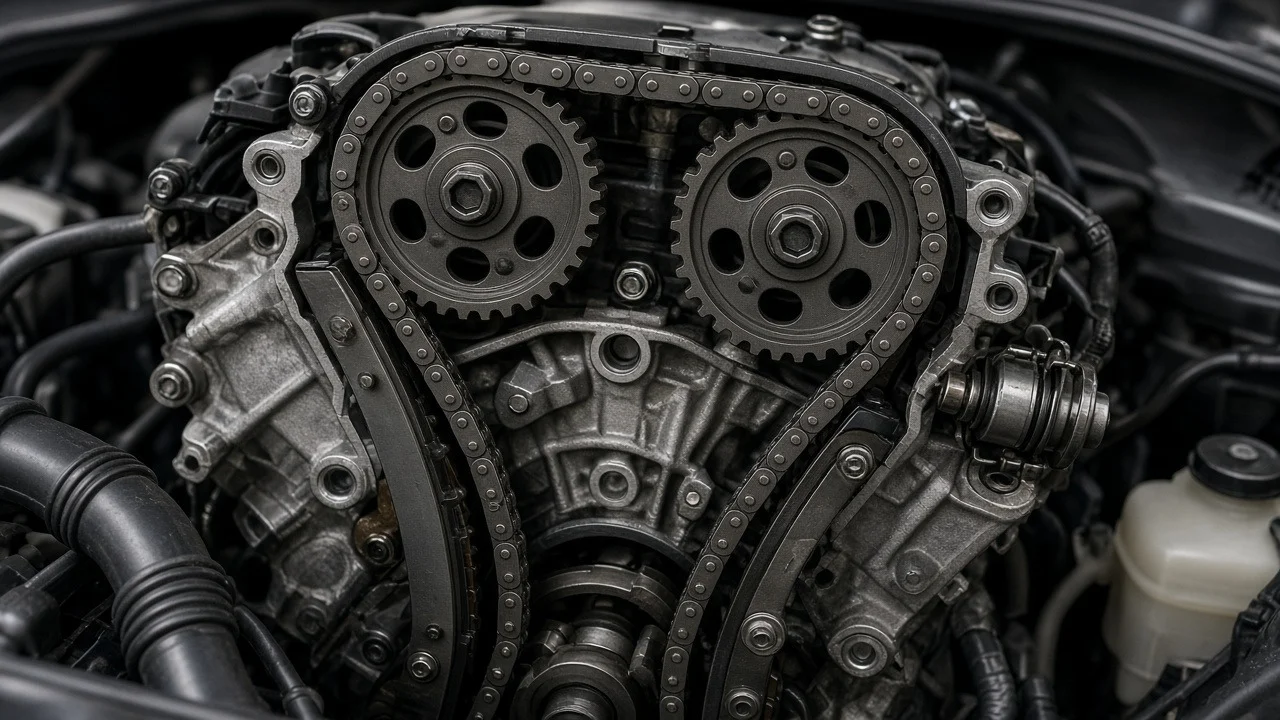
A Hyundai 2.4 engine timing chain is a metal link belt that synchronizes the crankshaft and camshafts so the intake and exhaust valves open at the correct moments. Unlike a rubber timing belt, this chain is designed to last the life of the engine under normal service. However, wear, oiling problems, or tensioner faults can still create noise, timing faults, and driveability concerns. Understanding how the chain operates helps owners interpret symptoms, evaluate service history, and avoid confusing a chain concern with other valvetrain or variable valve timing issues.
Essential answer
The Hyundai 2.4 engine uses a timing chain rather than a toothed rubber belt because a chain generally provides long-term durability inside a sealed, oil-lubricated front cover. The chain connects the crank sprocket to one or more camshaft sprockets, often through guides and a hydraulic or spring tensioner. When it works correctly, valve events stay indexed to piston movement across the full rpm range. The chain itself is not a scheduled wear item in the same way a timing belt is, but it is still subject to stretch, guide wear, and tensioner degradation over a high-mileage service life.
A useful first step in evaluating this system is to separate normal operating sounds from a failing component. A brief rattle at cold start can point to a tensioner that takes a moment to build oil pressure, while a persistent metallic slap or rhythmic tick after warm-up may indicate excessive chain slack or worn guides. Diagnostic trouble codes for camshaft-to-crankshaft correlation often suggest timing has drifted, but they should be interpreted as evidence to investigate rather than proof that the chain itself must be replaced. Because manufacturer-dependent codes vary, the exact diagnostic path benefits from vehicle-specific confirmation.