Hydrogen Car Mileage: Understanding Range and Fuel Efficiency
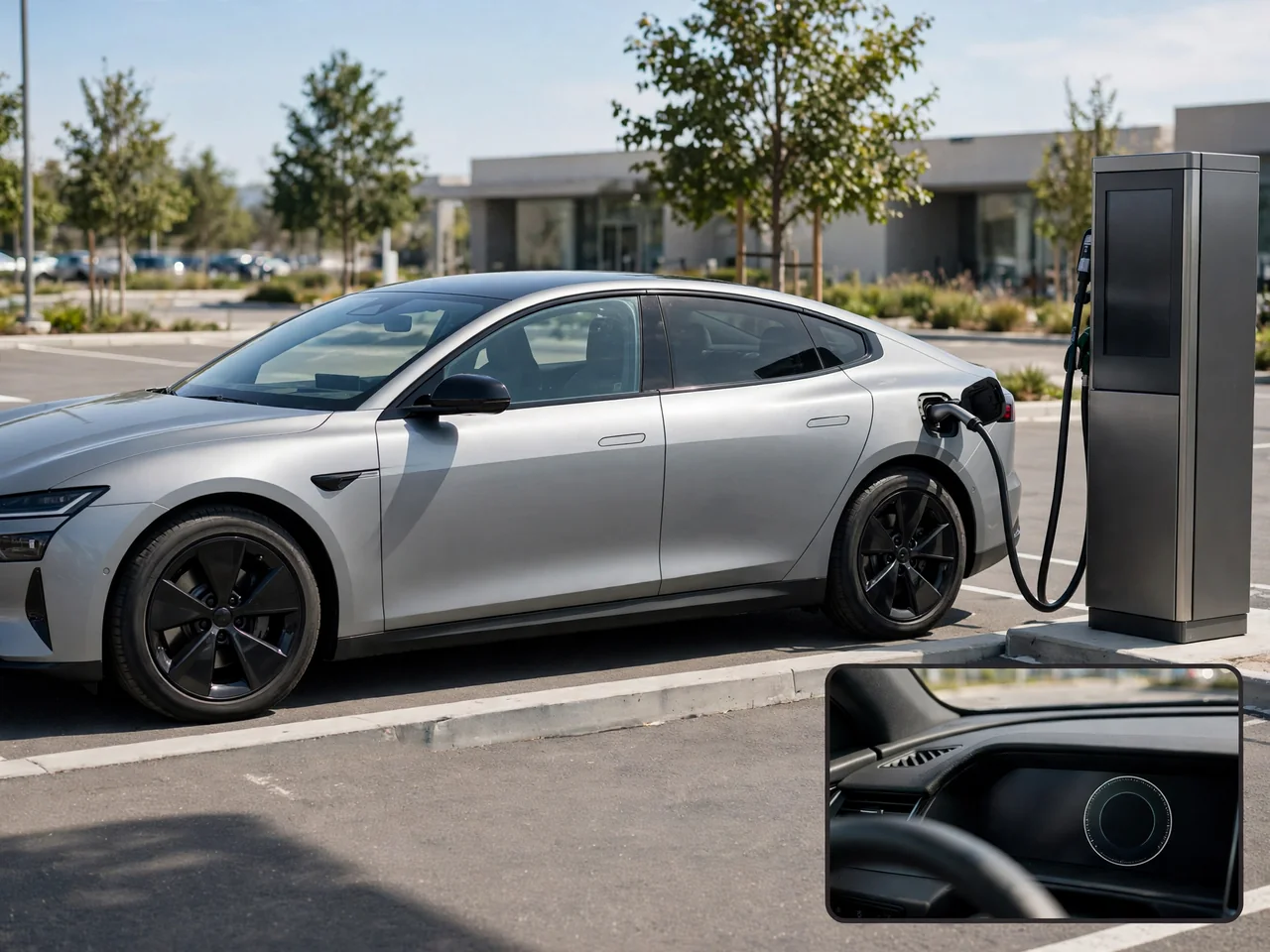
Drivers considering hydrogen fuel cell cars often ask about mileage first. For these vehicles, mileage can mean two related ideas: how far one tank of compressed hydrogen will carry you, and how efficiently the car converts that fuel into motion. Because hydrogen is stored as a gas and used to generate electricity, its figures look different from familiar gasoline numbers. Understanding both measures helps you compare vehicles and plan real trips without surprises.
What Mileage Means for a Hydrogen Fuel Cell Car
In a hydrogen fuel cell car, mileage is not a single number printed on a sticker. One meaning is total driving range, the distance you can travel after filling the tank. The other is efficiency: how far the car moves on a given amount of hydrogen, often expressed as miles per kilogram. These two figures serve different purposes. Range helps you plan a trip, while efficiency tells you how effectively the powertrain uses fuel. Both vary with driving conditions, so a high efficiency rating does not automatically mean an unusually long range.
A fuel cell vehicle is an electric car with its own onboard power plant. The fuel cell stack combines hydrogen from the tank with oxygen from the air to produce electricity, which powers an electric motor. The only tailpipe emission is water vapor. This means the driving feel is similar to a battery electric vehicle, with smooth acceleration and quiet operation. However, the range and refueling behavior follow hydrogen capacity and consumption, not battery kilowatt-hours, so the language of mileage needs a hydrogen-specific interpretation.
How Miles per Kilogram and MPGe Describe Efficiency
Hydrogen is stored and sold by weight, so efficiency is naturally expressed as miles per kilogram. One kilogram of hydrogen contains almost the same energy as one gallon of gasoline, but a fuel cell uses that energy more efficiently than a typical gasoline engine. Real-world figures for modern fuel cell passenger cars commonly fall in the high 50s to low 70s miles per kilogram, depending on the vehicle. Driving style, terrain, and weather can move that number up or down, just as they affect gasoline fuel economy.
To help shoppers compare different fuel types, regulators define MPGe, or miles per gallon gasoline equivalent. MPGe converts the energy in one kilogram of hydrogen into an equivalent amount of gasoline and then expresses distance per that energy unit. It is not a statement about liquid gallons in the tank. When reading MPGe ratings, note city, highway, and combined values for the exact model year and configuration. City ratings can be higher because regenerative braking recovers energy that would otherwise be wasted in stop-and-go traffic, while highway driving emphasizes constant power output.
Estimating Driving Range From Usable Hydrogen
Estimating total range starts with usable hydrogen capacity. Multiply the vehicle's rated miles per kilogram by the number of kilograms your particular vehicle can store and use. For example, if a car carries about 5 kilograms of usable hydrogen and consistently achieves 60 miles per kilogram, a full tank should yield about 300 miles. This calculation works for trip planning, but it assumes rated efficiency. Mountains, cold weather, or a headwind will reduce the actual distance. Different hydrogen models have different tank sizes and efficiency, so you cannot simply copy a figure from another car.
The dashboard range estimate is not the same as a rated full-tank range. The car calculates remaining range from recent driving history, current fill level, and sometimes outside temperature. After a period of gentle city driving, the estimate may be optimistic; after a highway climb, it may drop quickly. Treat the displayed number as a moving forecast, not a guarantee. For a trip, allow a reserve of perhaps 20 to 30 miles beyond expected station spacing, and know where the previous and next stations are before you set out.
Driving Conditions and Fill Level Affect Distance per Tank
Several everyday factors change how far a tank of hydrogen will take you. High speed creates aerodynamic drag that rises sharply above about 60 mph. Hard acceleration draws more current from the fuel cell, reducing efficiency. Long grades force sustained power output. Extra passengers or cargo add weight that must be accelerated and carried uphill. Cold weather lowers fuel cell efficiency initially and makes the cabin heater work harder. Rain or snow increases rolling resistance. All of these reduce miles per kilogram, and therefore total range from the same amount of fuel.
The amount of hydrogen delivered during a fill is not always identical. Station compressors may deliver fuel at different pressures, and a hot tank or warm weather can reduce the mass that fits before the station stops dispensing. A short fill at one location may yield less than 90 percent of the rated capacity, while another station might fill the tank completely. To understand your own car's real efficiency, track miles driven and kilograms dispensed over several fills. Because starting and ending fill levels are rarely exactly the same, the calculation is an approximation, but it becomes useful after three or four consecutive fills.
Planning Refueling Stops and Assessing Unexpected Range Loss
Planning a hydrogen road trip begins with station locations. Hydrogen infrastructure is still concentrated in certain regions, so an available station may be far from your route. Before leaving, confirm that planned stations are open, have fuel in stock, and are reachable within your conservative range estimate. Identify at least one backup station in case a pump is down or the line is long. The vehicle's remaining-range display can help while driving, but it cannot warn you about a station that is closed or out of fuel, so check status before you commit to a stop.
If you notice a sudden drop in expected range, first consider recent conditions. Cold weather, strong wind, a full passenger load, or unusually aggressive driving can each reduce distance per fill by more than 10 percent. Check tire pressures according to the door placard or owner's manual, because underinflation increases rolling resistance. Look for warning messages related to the fuel cell system or hydrogen tank. A one-off decrease after a short fill or an unusually cold week is often explained by those variables. If range loss persists across several fills under normal conditions, or if any fuel-system warning appears, have the vehicle inspected by a qualified technician familiar with hydrogen systems.