Hybrid Car Mileage: High-MPG Models and Long-Term Life
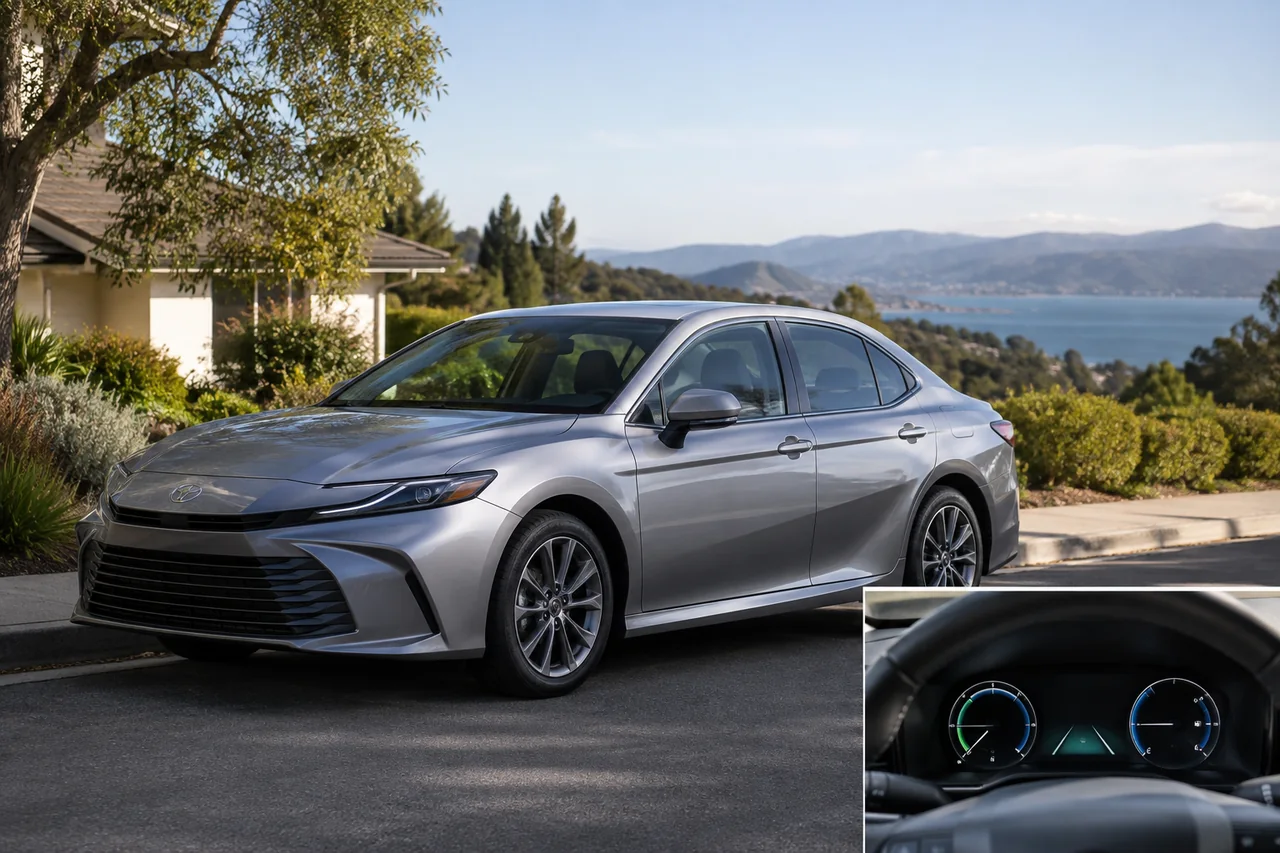
Hybrid car mileage can mean two very different things: how far a hybrid travels on each gallon of gasoline, and how many miles it can build up before age and wear catch up with it. Shoppers looking for the best hybrid car mileage often care about both. This guide covers EPA ratings, real-world fuel economy, checking MPG on a Toyota hybrid, and what decides long-term hybrid battery health and durability.
Hybrid Mileage Can Mean Fuel Economy or Vehicle Lifespan
Miles per gallon measures efficiency: how far a car goes on one gallon of fuel. Odometer mileage measures use: the total distance the vehicle has been driven since it was built. When someone asks which hybrid car has the highest mileage, the answer depends on which meaning they have in mind. A buyer comparing new models usually wants the hybrid car with the best gas mileage. A used-car shopper may be asking whether a hybrid with a large odometer reading still has dependable years left.
This article focuses on conventional hybrids. These recharge their high-voltage battery through the gasoline engine and regenerative braking and never plug into an outlet. Plug-in hybrids are harder to compare because they carry separate measurements: MPG while running as a hybrid, MPGe while using grid electricity, and an electric-only range. Each number describes a different operating mode. Comparing a plug-in's MPGe with a conventional hybrid's combined MPG mixes units that were never meant to line up directly.
Understanding a Hybrid’s Rated and Everyday Gas Mileage
The EPA fuel economy rating lists city, highway, and combined MPG. Hybrids often score well in city testing because the electric motor helps at low speeds. Combined MPG weights fuel use across a set mix of city and highway driving instead of averaging the two figures, so it rarely lands exactly halfway between them. Real-world fuel economy then shifts with conditions. Cold temperatures, short trips, high speeds, hills, heavy loads, and heavy climate-control use all raise fuel consumption, often because the engine runs more to make heat or power.
Regenerative braking lets the electric motor work as a generator while the car slows. It sends some energy back to the battery instead of losing all of it as brake heat. It only recovers part of that energy, though, and the gasoline engine still supplies most of the power over time. To measure your actual hybrid car gas mileage, fill the tank and reset a trip meter. At the next fill-up, divide the miles driven by the gallons added. Averaging several full tanks evens out differences in where the pump shuts off, and it shows whether the dashboard estimate reads high.
Finding Hybrid Cars With Strong EPA MPG Ratings
Hybrids often named among the most fuel-efficient choices include the Toyota Prius, Toyota Corolla Hybrid, Honda Civic and Accord hybrids, Hyundai Elantra Hybrid, and Kia Niro Hybrid. Their EPA ratings vary by model year, trim, wheel size, and drivetrain. An all-wheel-drive version, or a sportier trim on larger wheels, may be rated lower than the base front-wheel-drive car. Before comparing any figure, match it to a specific model year, powertrain, drivetrain, and trim so you know exactly which configuration it describes.
A claim that one model is the best mileage hybrid car is incomplete unless it names the model year, the rating metric, and the exact version. A car might lead in city MPG but trail in highway MPG, and a redesign can change ratings from one year to the next. The fuel economy label on the window sticker shows the figures for that specific vehicle. Drivers who spend most of their time in traffic should give the city rating the most weight. Long-distance commuters should look harder at highway MPG.
Checking MPG for a Specific Toyota Hybrid
Toyota hybrid car mileage can't be summed up in one brand-wide number. The lineup includes compact cars like the Corolla Hybrid and Prius, the midsize Camry, and hybrid SUVs like the RAV4. Each has different weight, aerodynamics, and powertrain tuning, and some offer all-wheel drive, which can change the ratings. Toyota also sells plug-in versions, including the Prius Plug-in Hybrid and the RAV4 Plug-in Hybrid. Their MPGe and electric-range figures shouldn't be confused with conventional hybrid MPG.
For a specific car, the original fuel economy label, the owner's documentation, or dealer records tied to the vehicle identification number show which rating applies. If your observed mileage falls well below that rating, start with how you drive: cold weather, short trips, and highway speeds all cut efficiency. Check tire pressure against the placard on the driver's door jamb, since underinflated tires add rolling resistance. Review maintenance records for oil changes, air filter service, and wheel alignment. Only after those checks should a technician look for a faulty component.
How Many Miles a Hybrid Car Can Last
There is no set mileage at which a hybrid wears out. Useful life depends on age, maintenance history, climate, driving habits, and the condition of individual parts. The battery is only one part of the story. The gasoline engine, the cooling systems, the power electronics, the suspension, and the wiring all age and need attention. When an owner reports an unusually high odometer reading, that shows what is possible under particular conditions. It doesn't show what every hybrid will reach, so it can't set a lifespan for all of them.
Used-car shoppers can lower their risk with a few practical checks. Ask for maintenance records showing regular oil changes, coolant service, and any hybrid-system repairs. Look for a history of warning lights and how they were resolved. Check a vehicle history report and look for signs of collision repairs or flood damage, such as silt, corrosion, or a musty smell, because water can damage electronics and high-voltage parts. Finally, get a pre-purchase inspection from a shop that knows hybrid systems and can review stored codes and battery data.
Battery Health, Warning Signs, and Professional Testing
The traction battery's condition depends on its age, how the car was used, how much heat and cold it has faced, and how well the thermal management system keeps the cells in their preferred temperature range. A blocked battery cooling intake or long stretches parked in extreme heat can add stress. No single replacement mileage applies to every hybrid. The high-voltage battery warranty is a contractual coverage limit, not a prediction of when the battery will fail. Its terms depend on the vehicle and the coverage that applies.
Some signs mean the hybrid system should be checked: dashboard warning messages, a lasting drop in fuel economy, a charge display that swings quickly between full and empty, or an engine that runs more than usual. None of these alone proves the battery has failed. Sensors, cooling problems, software, or unrelated engine issues can cause similar symptoms, and any fault code needs to be interpreted for the specific vehicle. Owners should stick to watching normal displays and keeping records, and leave testing to qualified technicians. Battery packs carry dangerous high voltage and should never be opened.