Hybrid Battery Replacement: Options and What It Costs
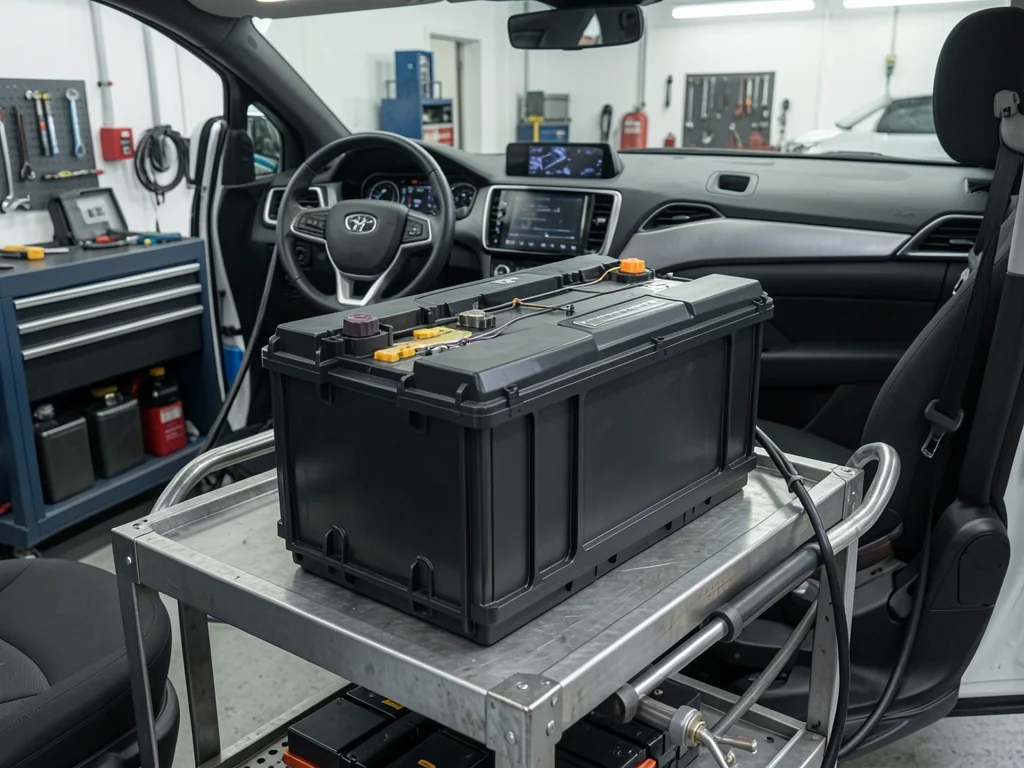
When a hybrid's warning light points to the high-voltage pack, the repair decision involves more than choosing the cheapest quote. New, remanufactured, used, and repaired batteries differ in what they include, how they were tested, and who stands behind them. Knowing those differences, and the charges that come with the part, helps owners compare estimates fairly and avoid paying for a replacement the vehicle may not need.
What Goes Into Hybrid Battery Replacement Cost
Start by making sure every quote covers the same component. A hybrid has a large high-voltage traction battery that helps drive the wheels and a smaller auxiliary battery that powers accessories and starts up the hybrid system. A price for the auxiliary battery answers a very different question. Replacing the traction battery can cost several thousand dollars, but you can't get a reliable total until a shop reviews the specific vehicle, confirms the correct pack, and puts the estimate in writing.
Several factors affect the price. Pack design and capacity affect what the part costs, and supply decides whether an assembly is easy to get or back-ordered. Labor rates vary by region and shop. On some vehicles, seats, trim, or cooling components have to come out, or setup is needed afterward. The advertised battery price is rarely the installed total. That total may also include diagnosis, labor, required programming, shipping, taxes, and a core charge that is refunded only under certain conditions.
Confirm the Battery Fault Before Authorizing Replacement
A warning message, a charge gauge that swings quickly between high and low, an engine that runs more than usual, or weaker electric assist when accelerating are all good reasons to have the car diagnosed. None of these proves the pack has failed. Hybrid operation depends on many parts working together. A weak auxiliary battery, a clogged or failing cooling fan, damaged wiring, or a control-module fault can cause symptoms that look like a worn traction battery.
Before approving a replacement, ask the shop what testing showed about the pack itself and how it ruled out other causes. Stored fault codes are useful evidence, but what they mean depends on the manufacturer. They should be read alongside data on how the pack is behaving, not treated as a verdict. Owners can usefully note dashboard messages, when they appear, and how driving has changed. Opening the pack or measuring high-voltage circuits carries a serious risk of electric shock and should be left to trained technicians.
What New OEM, Remanufactured, and Used Packs Include
A new original-equipment pack is usually the simplest option, but the quote still needs a close look. Confirm the exact assembly being supplied. Find out whether it includes battery management electronics, wiring, brackets, or cooling parts, or whether some hardware will be moved over from the old pack. Get the warranty terms in writing, including how long it lasts, what it covers, and whether it depends on who installs it. The supplier should confirm fitment using the vehicle identification number and the correct part information.
Remanufactured packs vary more than the label suggests. One supplier may replace every module and renew the connections, while another replaces only the weak sections and reuses the rest. Ask what was renewed, how the pack was tested, and what paperwork comes with it. A used pack has already been in service, so you need to verify its mileage, source vehicle, storage conditions, test results, and warranty. Words like rebuilt or reconditioned don't guarantee any standard condition or remaining life.
When a Cell or Module Repair Needs Further Scrutiny
Some shops advertise single-cell repair, but many hybrid packs are built from modules, and the actual work may mean replacing one or more modules instead of individual cells. Whether a partial repair is practical depends on how the pack is built and whether the replacement modules are a good match for the ones that stay. A sound proposal starts with a professional assessment of the whole pack, not just the section that set off the fault, so the shop can judge whether targeted work makes sense.
Replacing one weak component doesn't show how much life the rest of the pack has left. If the other modules are aging at a similar rate, another fault may appear soon after the repair, and a lower first bill can turn into repeat visits. Ask which parts and labor the repair warranty covers, whether it applies to the whole pack or only the replaced sections, and what happens if a different battery fault appears later. Clear answers make it easier to compare the repair with a full replacement.
Choosing a Qualified Dealer or Independent Installer
A dealer can look up which replacement assemblies are available for the specific vehicle and check whether manufacturer coverage, recalls, or service campaigns apply. That can be worth doing even if the owner ends up choosing another shop. An independent hybrid repair specialist may offer more battery options. With an independent shop, confirm that its technicians have high-voltage training and that it has diagnostic equipment that can read the hybrid system. Also ask where it sources batteries and whether it handles warranty work itself or sends owners elsewhere.
Things get more complicated when one company sells the pack and another installs it. Ask who supplies the battery, who installs it, and which business handles a claim if the pack or the workmanship fails later. Also confirm what the installation includes: any setup, programming, or relearn steps the vehicle needs, the testing done before the car is returned, the expected schedule, and what happens to the removed battery. The old battery has to be handled and recycled properly.
Check Coverage and Charges That Can Reduce the Bill
Before paying for any work, check whether a battery warranty, extended warranty, or service contract applies. Eligibility depends on the vehicle, the specific terms, its age and mileage, and sometimes the state where it was sold, since some places require longer coverage for certain emissions-related parts. Even without coverage, it's reasonable to ask the dealer whether the manufacturer offers goodwill assistance. That help is at the manufacturer's discretion and is never guaranteed, but it costs nothing to ask.
Core charges need attention because they can change the final bill. The deposit is refunded when the old battery is returned, so ask about the return deadline, who pays for shipping, and whether damage or missing parts could cancel the refund. Request an itemized estimate, and require your approval before any extra work. Ask whether the diagnostic fee counts toward the repair, and whether a warranty claim would still leave you paying for labor, shipping, or towing.
Deciding Whether to Approve the Replacement
Whether replacement makes sense depends on more than the battery. Consider the vehicle's overall condition, any other repairs it's known to need, how long you plan to keep it, and what you can realistically spend. A new or remanufactured pack restores the traction battery, but it does nothing for the engine, transmission, suspension, brakes, or other hybrid electronics. It also can't promise that the car will last a certain number of years. A well-maintained car with few other problems usually makes a stronger case for the spending.
Before approving the job, get these details in writing: the confirmed diagnosis, the condition and source of the replacement pack, the installed total, what the warranty excludes, and the expected completion date. A second professional opinion is worth getting if the diagnosis is still unclear, the shop can't say where the battery comes from, or the warranty is vague about what it covers and who is responsible. Another opinion can cost far less than committing to a major repair based on uncertain information.