How to Perform a Transmission Relearn With HP Tuners
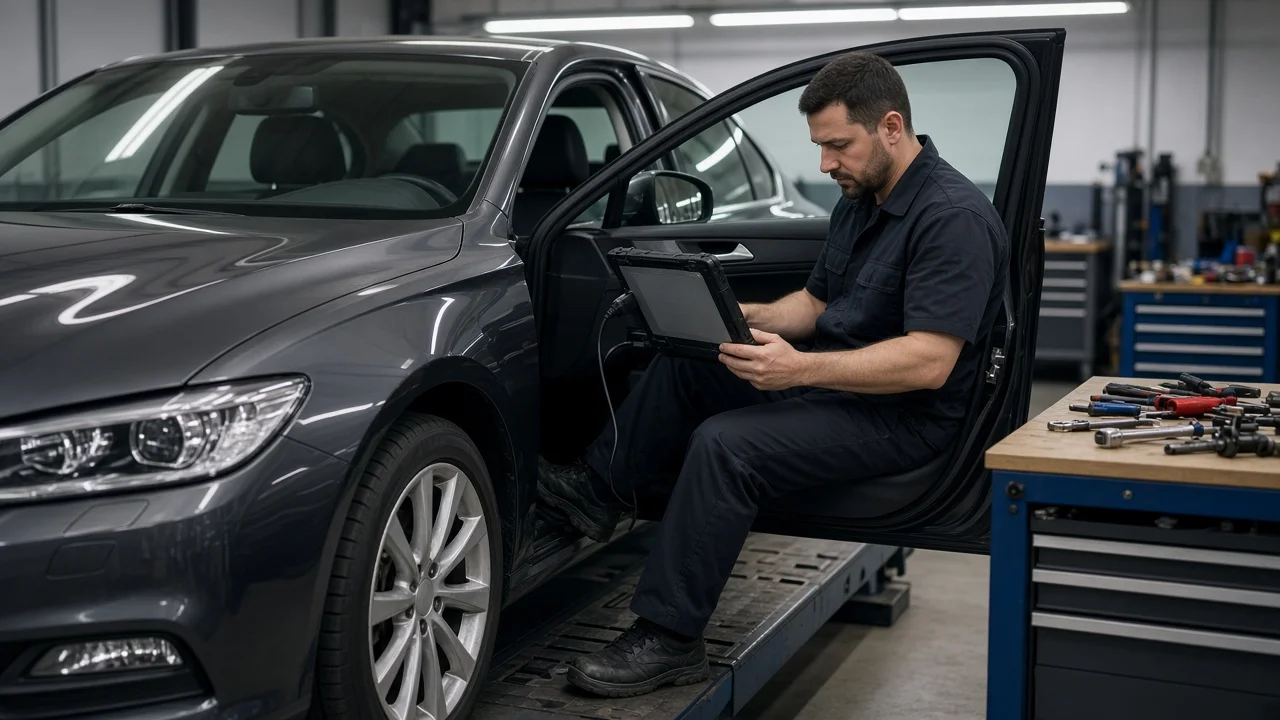
A transmission relearn with HP Tuners usually means using VCM Scanner to clear the transmission controller's adaptive values. Where the vehicle supports it, you can also run a guided fast learn. Whether either is available, and what the steps look like, depends on the transmission type, the controller and what HP Tuners supports for that platform. This guide explains how the process generally works, what changes it, and when a relearn is the wrong answer to a shifting problem.
How to Run a Transmission Relearn in HP Tuners
On supported vehicles, you run the relearn in VCM Scanner rather than VCM Editor. Connect the interface, turn the ignition on and connect to the vehicle. Open the special functions area and select the transmission controller. Depending on the platform, you may see an option to reset transmission adaptive values, an option to run a fast learn or service fast learn, or both. Choose the function, read the listed conditions, and follow each prompt until the software reports that the routine has finished.
Two qualifications matter. First, the available functions depend on the vehicle, the controller and the HP Tuners software version. If no transmission reset or learn function appears, the tool does not offer one for that combination, and you should not try to force it through another menu. Second, a reset alone does not finish the job. The controller still has to learn shift characteristics through normal driving, so expect shift quality to change for a while afterward.
What the Transmission Is Actually Learning
Modern electronically controlled automatics adjust themselves over time. The transmission control module commands a shift and measures how long it takes and how input and output speeds behave. It then compares that result with its target. If a clutch applies late or flares, the controller adds pressure or fill time on the next similar shift. If a shift is too abrupt, it backs off. These corrections are stored as adaptive values, often separated by shift, clutch and load range.
Stored corrections only suit the transmission as it was when they were learned. Several events can make them wrong: a fluid exchange, valve body or solenoid work, clutch replacement, a new controller, or a tune that changes shift pressures or timing. The old corrections can then make shifts harsh, soft or inconsistent. Resetting clears them back to base values. A fast learn, where offered, has the controller perform a series of stationary engagements so it can learn clutch fill for range changes before you drive. Corrections for road upshifts and downshifts are learned as you accumulate representative shifts.
What Changes the Procedure
Transmission type is the biggest variable. Many later GM six-, eight- and ten-speed automatics support a service fast learn in factory scan tools, and HP Tuners may offer a similar function on supported applications. Older units with simpler adaptive strategies, such as earlier four-speed automatics, typically offer only a reset followed by a drive-cycle relearn. Ford, Chrysler and other platforms use their own routines and names, so instructions for one transmission family do not carry over to another. Dual-clutch transmissions, CVTs and manual gearboxes follow different logic again.
Configuration matters too. Some vehicles have a separate transmission controller, while others build transmission control into the engine controller. Swapped or modified vehicles may run a different operating system or calibration than the original hardware. Before relearning, confirm that the calibration is the correct fitment for the installed transmission and controller, because a relearn cannot make up for software meant for different hardware. If a standalone aftermarket controller runs the transmission, that controller's own software handles adaptation, not HP Tuners.
Operating conditions decide whether a routine will start and finish. Fast learn procedures commonly require the engine running, the vehicle stopped in park, the brake applied, no active transmission codes, and fluid temperature within a specific range. The scanner usually lists the conditions for your application, and those take priority over general advice.
Steps to Take Before and After the Relearn
Start with the basics. Read and record diagnostic codes from the engine and transmission controllers, because an active fault can block the procedure or show that the real problem lies elsewhere. Check the fluid level using the method specified for that transmission. On many modern units this means a check plug and a set fluid temperature range rather than a dipstick. Also confirm that the fluid meets the manufacturer's fluid specification. Connect a battery maintainer, since low voltage can cause a controller routine to abort. Save a copy of the current tune, and consider logging current shift behavior for comparison.
Run the reset or fast learn exactly as prompted. Do not shut off the engine or disconnect the interface mid-routine. Afterward, drive with the transmission at normal operating temperature using steady, moderate throttle. Let it upshift through every gear several times and coast down through the downshifts. Include both light and medium throttle shifts, and avoid wide-open throttle until the shifts settle. In VCM Scanner, log fluid temperature, commanded gear, shift times and slip. That data gives you a more objective before-and-after comparison than shift feel alone.
If shifts improve and stay consistent, the job is done. If a harsh engagement, flare or delayed shift keeps coming back the same way after a reasonable amount of driving, treat it as a symptom to diagnose rather than a reason to keep resetting.
Where a Relearn Stops Helping
A relearn only lets the controller recalibrate around the hardware it has. It cannot fix low or degraded fluid, worn clutches, a sticking valve, a failing solenoid, a slipping converter clutch or a wiring problem. Warning signs include adaptive values that keep climbing toward their limit, recurring diagnostic codes, and slip that returns after a relearn. These point toward a mechanical or electrical cause. They are still only evidence, not proof that a particular part has failed, so testing is needed before you choose repair options.
Procedures, prerequisites and fluid requirements differ by model, year and transmission. When general guidance conflicts with the factory service information for your exact vehicle, follow the factory information. Review the service history too, since a recent fluid service, part replacement or tune change often explains why the adaptive values needed resetting. If the routine will not run, codes persist, or shift problems remain after a proper relearn, see a transmission specialist with factory-level diagnostics. They can test pressures and components and determine whether the cause is calibration, hydraulic or mechanical.