How to Use the Ram 1500 Trailer Brake Controller
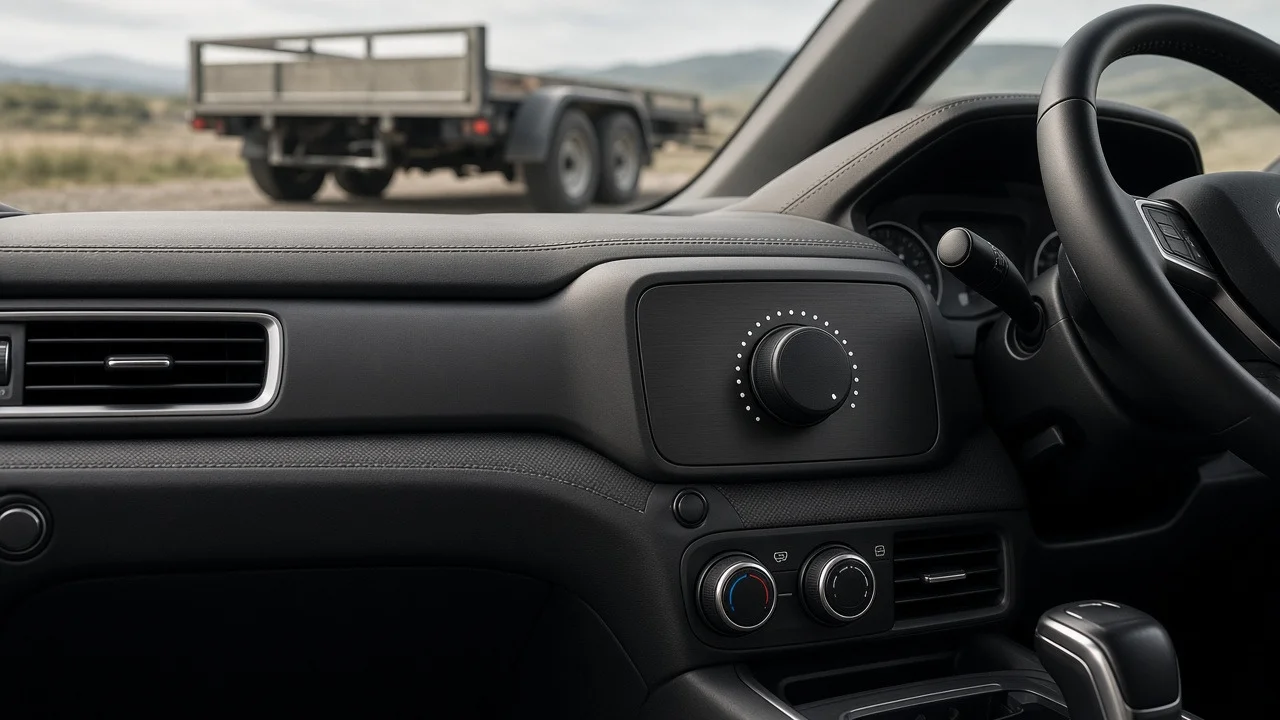
The Ram 1500 trailer brake controller lets you modulate the electronic brakes on a towed trailer directly from the dash. Learning how to use it prevents trailer push, sway, and premature wear on the truck’s brake pads and rotors. Because trailer weight and load balance change braking demand, the controller’s gain and mode settings matter more than simply connecting the seven-way plug. This guide explains the core functions and a practical adjustment sequence so you can set the controller for consistent, predictable stops without guessing at the controls or relying on the truck’s brakes to do all the work.
Direct answer
The essential task is to adjust trailer brake gain until the trailer brakes apply firmly without locking during a normal stop, then use the manual slide control to test engagement before driving. The integrated controller is operated through the instrument cluster or dash switch depending on the truck’s configuration, allowing you to increase or decrease output to the trailer’s electric brakes. Gain is the amount of braking force sent to the trailer relative to the truck’s deceleration, so the correct setting changes with trailer weight, axle count, and how much cargo is loaded ahead of or behind the trailer axles.
Start with the trailer connected on level ground and the engine running. Use the controller’s plus and minus inputs to set a moderate baseline, often in the lower half of the available range for a lightly loaded trailer, but confirm any model-specific starting point with the owner’s manual. Then drive slowly forward and apply the truck brakes normally. If the trailer pushes the rear of the truck or the stop feels long, increase gain. If the trailer tires chirp or the rig jerks, decrease gain. A good setting lets the trailer contribute braking force without the trailer leading the stop or skidding.
How to proceed
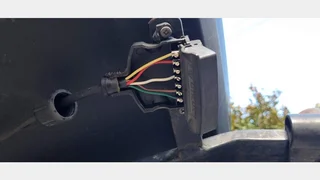
Before adjusting anything, inspect the trailer connection and confirm the seven-way plug is seated fully. A poor electrical contact can produce weak, intermittent, or absent trailer braking even when the controller looks active. Also check that the trailer’s brake magnets, wiring, and friction material are in serviceable condition; the controller cannot correct a mechanical problem at the wheels. On level ground, set the controller to a conservative gain value and use the manual override while rolling at low speed. The trailer should brake smoothly and the truck should not be yanked backward.
After the static check, perform several gentle stops from low speed and make one small gain change at a time. Evaluate whether the trailer is working with the truck; the goal is balanced deceleration, not aggressive trailer-only braking. Repeat the procedure when trailer load changes significantly, when moving between a utility trailer and a larger travel trailer, or when rain and road conditions reduce tire grip. If the trailer brakes feel weak at maximum gain or engage abruptly with a small adjustment, have the trailer’s brake wiring and the truck’s controller input verified by a qualified technician before towing.