How to Use a Slime Tire Pressure Gauge
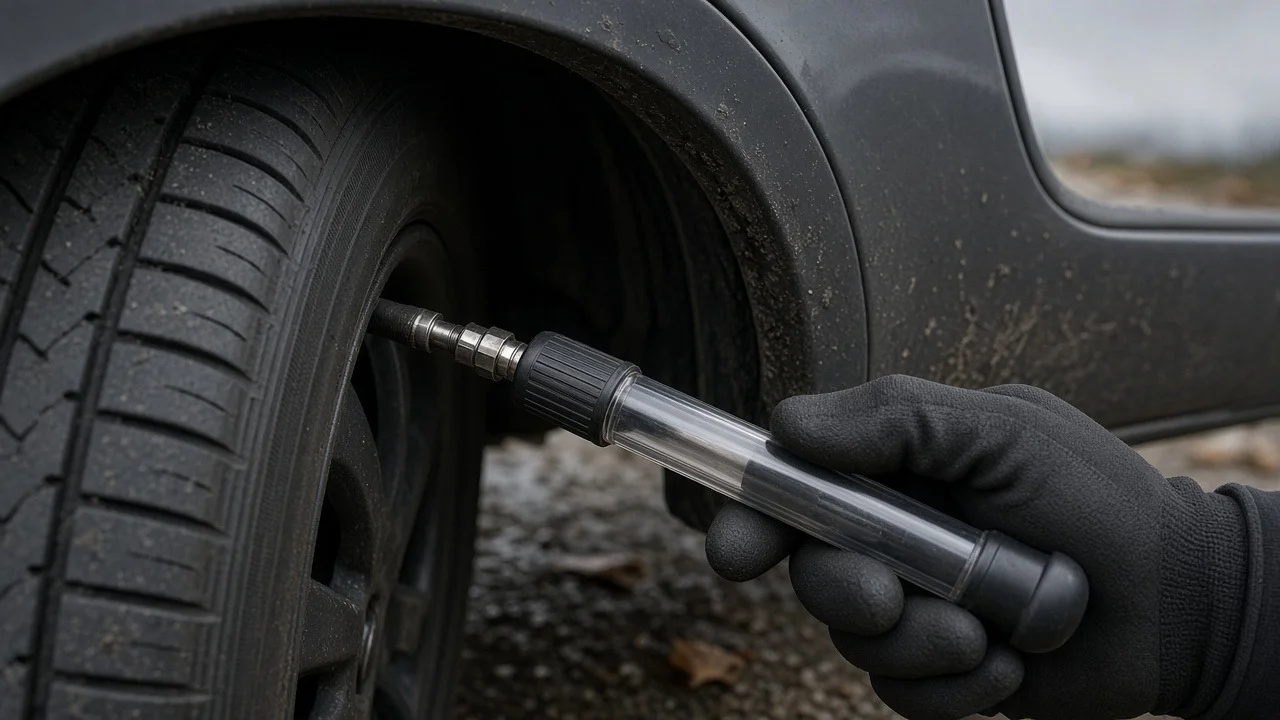
A Slime tire pressure gauge is a compact hand-held instrument designed to give a fast, repeatable pressure reading at the valve stem. Using one correctly matters because underinflation changes steering effort, tire wear, and wet-road behavior, while the gauge only helps when the connection is clean and steady. The question how to use slime tire pressure gauge comes down to seating the chuck squarely, reading the indicated value in the correct units, and checking the result against the vehicle specification rather than guessing from tire appearance.
Direct answer
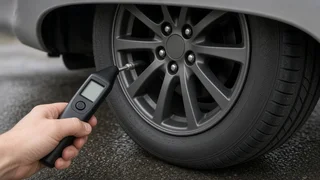
The essential answer is straightforward: remove the valve cap, press the gauge opening firmly onto the valve stem, and hold it there until the reading settles. A sharp hiss usually means the chuck is angled or not fully seated, which allows air to escape and can produce a low or unstable number. A clean perpendicular connection is more important than speed. The tool measures pressure only while the valve core is momentarily opened, so a weak or partial press can leave the reading below the true pressure.
When the gauge is removed, the reading should remain visible or the indicator should stay close enough to read comfortably. In most cases the measurement is most useful when the tire is cold, because driving heats the air and raises the displayed pressure. If the number is unclear or seems much different from a second check, reseat the chuck and read again. Do not treat a single confused result as a final diagnosis of the tire or the gauge.
How to proceed
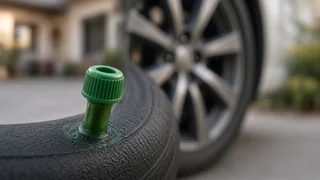
Begin by checking the vehicle tire information label, usually located on the driver door jamb or in the owner manual, for the recommended cold inflation pressure in pounds per square inch or kilopascals. Remove the valve cap and keep it clean. Press the gauge chuck straight onto the valve stem with enough force to stop any escaping air. Hold the connection steady for a moment, then note the scale and its unit before pulling the gauge straight off.
Take the reading twice to confirm repeatability, especially if the first attempt hissed or produced a jumpy needle. If the value is below the specification, add air in short bursts and recheck. If it is above, allow a small amount of air to escape by lightly pressing the valve core and measure again. Confirm the gauge accuracy only against another reliable reference when a reading seems grossly wrong, and always reinstall the valve cap after the final check.