How to Tell if Exhaust or Carbon Monoxide Is Leaking Into Your Car
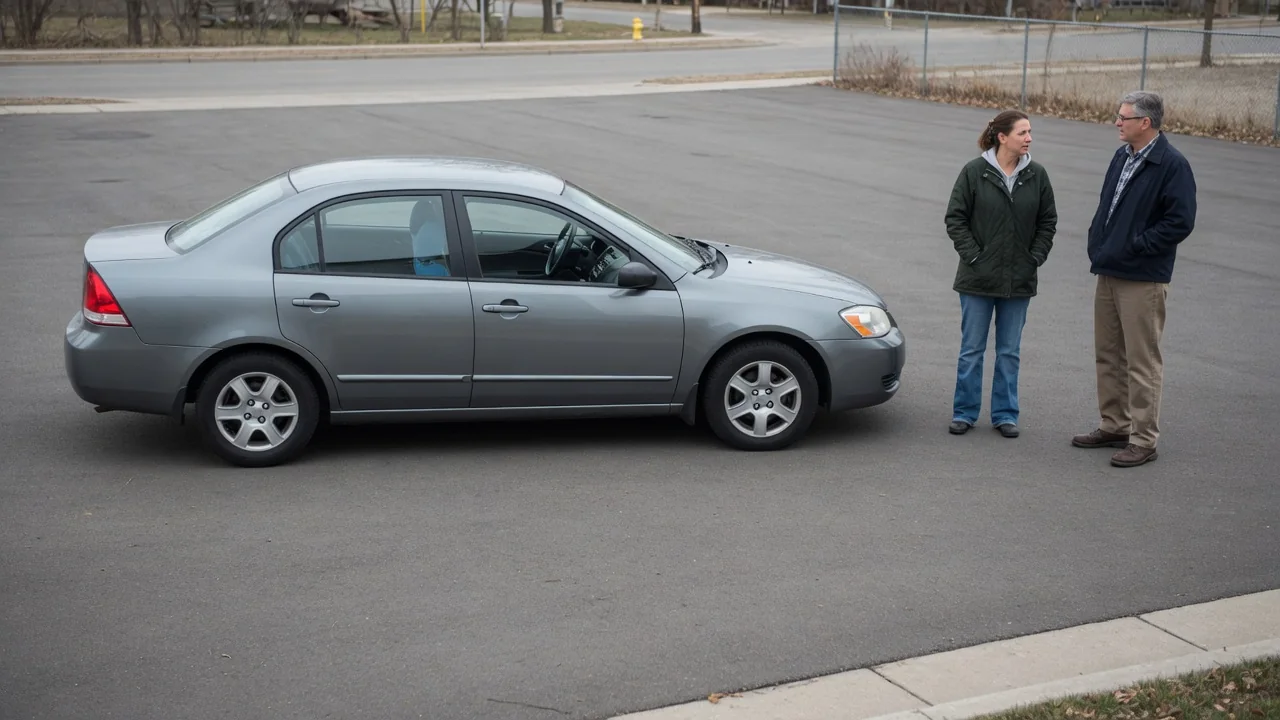
If you suspect your car is leaking carbon monoxide, the risk is serious even when you cannot see or smell anything. Exhaust leaking into the car can cause headache, dizziness, and confusion that appear gradually. Understanding how exhaust fumes enter the cabin and recognizing early warning signs helps you act before exposure becomes dangerous. A cabin exhaust odor is not required for carbon monoxide to be present, so you need to know what to look for and what to do immediately.
What to Do Immediately if You Suspect Exhaust Exposure
When you suspect exhaust exposure, your first step is to stop safely, switch off the engine, and have everyone leave the vehicle. Move to fresh air away from traffic and any exhaust sources, such as other running vehicles. Even if you feel fine, do not stay inside to investigate or open windows while the engine runs. Turning off the engine stops further production of exhaust gases and reduces the chance of more carbon monoxide accumulating in the cabin.
Carbon monoxide exposure can cause headache, dizziness, nausea, weakness, confusion, chest pain, or fainting, but these symptoms alone cannot confirm the cause. Because the gas is odorless, you may not realize how much you have inhaled. Anyone with suspected exposure and symptoms should call 911 or local emergency services from a safe location; they should not drive themselves for medical care. If someone is still inside the vehicle, do not re-enter a potentially contaminated enclosed space to rescue them. Instead, tell emergency responders where the person is so they can use proper protective equipment.
Why Carbon Monoxide Can Be Present Without an Exhaust Smell
Carbon monoxide is a colorless, odorless toxic gas that forms during incomplete combustion in the engine. Exhaust gases contain many other substances, some of which have a distinct smell, but carbon monoxide itself gives no warning to your senses. This means an exhaust odor inside the car can indicate a problem, yet the absence of any smell does not prove the cabin is safe. You can be exposed to harmful levels of carbon monoxide without ever noticing an exhaust leak.
A visible exhaust smell or smoke may point to an exhaust system issue, but these signs do not reveal the carbon monoxide concentration in the cabin. Likewise, feeling no symptoms does not establish that the air is safe. An exhaust system leak under the car and exhaust entering the cabin are two different concerns that both need investigation. Cabin intrusion does not identify a failed component; it only shows that gases are getting inside, which requires professional diagnosis.
Warning Signs That Exhaust May Be Entering the Cabin
An exhaust odor inside the car and newly noticed exhaust noise are reasons for inspection, but neither is proof of carbon monoxide exposure. The odor comes from other exhaust components, and the noise may mean a leak is allowing gases to escape under the vehicle. Even a quiet exhaust system and an unlit dashboard do not rule out fumes entering the cabin. Exhaust can seep in through small openings without changing engine sounds or triggering warning lights.
If symptoms such as headache or nausea affect multiple occupants or appear during a journey, that raises concern. Improvement after getting outdoors is consistent with exposure but does not rule out harmful levels or remove the need for medical advice. Think about conditions you already noticed, such as idling, acceleration, or heater use, but do not recreate those conditions to test your theory. Report what you observed to a professional rather than experimenting with the vehicle.
How Exhaust Can Reach the Passenger Compartment
Exhaust escaping beneath the vehicle or near the engine compartment can potentially reach cabin openings or the air intake. The cabin air intake is usually near the base of the windshield, and if exhaust drifts forward, it can be drawn inside. Damaged body seals, floor openings, or a poorly closing rear hatch can also provide entry paths. Even a small gap can allow gases to enter, especially when the vehicle is moving and pressure differences pull air into the passenger compartment.
Your own car need not have an exhaust leak for you to be exposed. Exhaust from nearby vehicles or accumulation in an enclosed area, such as a parking garage or tunnel, can also cause exposure. Odor location and driving conditions cannot establish the precise entry path or justify replacing a particular part. Because many factors affect how exhaust reaches the cabin, a professional inspection is necessary to find the actual route and prevent further intrusion.
What Carbon Monoxide Detection Can and Cannot Tell You
Human senses cannot reliably detect carbon monoxide, and professional cabin measurements require suitable equipment and controlled procedures. Portable carbon monoxide alarms can be useful, but you must check the manufacturer's intended use and environmental limits before relying on one in a vehicle. Many household alarms are designed for stationary indoor use and may not respond correctly to temperature changes, vibration, or rapidly changing gas levels inside a car.
Alarm thresholds, response times, sensor condition, and intermittent intrusion all limit interpretation. A silent alarm or one low reading does not clear the car for use because carbon monoxide may enter only under specific driving conditions. Never conduct deliberate exposure tests, never run the engine in a garage even with the door open, and never stay inside the vehicle to wait for a detector to respond. If you already have a detector alert, treat it as a serious warning and have the vehicle evaluated.
What to Request Before Driving the Car Again
When cabin exhaust intrusion is suspected, leave the vehicle out of service and arrange for towing rather than driving it. A professional evaluation should cover exhaust system integrity, possible cabin entry paths, and cabin carbon monoxide levels as appropriate to the reported conditions. Share the timing of any odors or symptoms, any detector alerts, and recent exhaust or body work with the technician. This information helps target the inspection and reduces guesswork.
Open windows, ventilation settings, air fresheners, and ordinary cabin filters cannot make suspected carbon monoxide intrusion safe. These measures may mask odors or dilute fumes temporarily, but they do not stop the gas from entering or address the source. After any repairs, request verification that the exhaust system is sealed and that cabin carbon monoxide levels are acceptable under the conditions that previously caused concern. Do not resume normal use until that confirmation is provided.