How to Start a Car With Bad Fuel Injectors
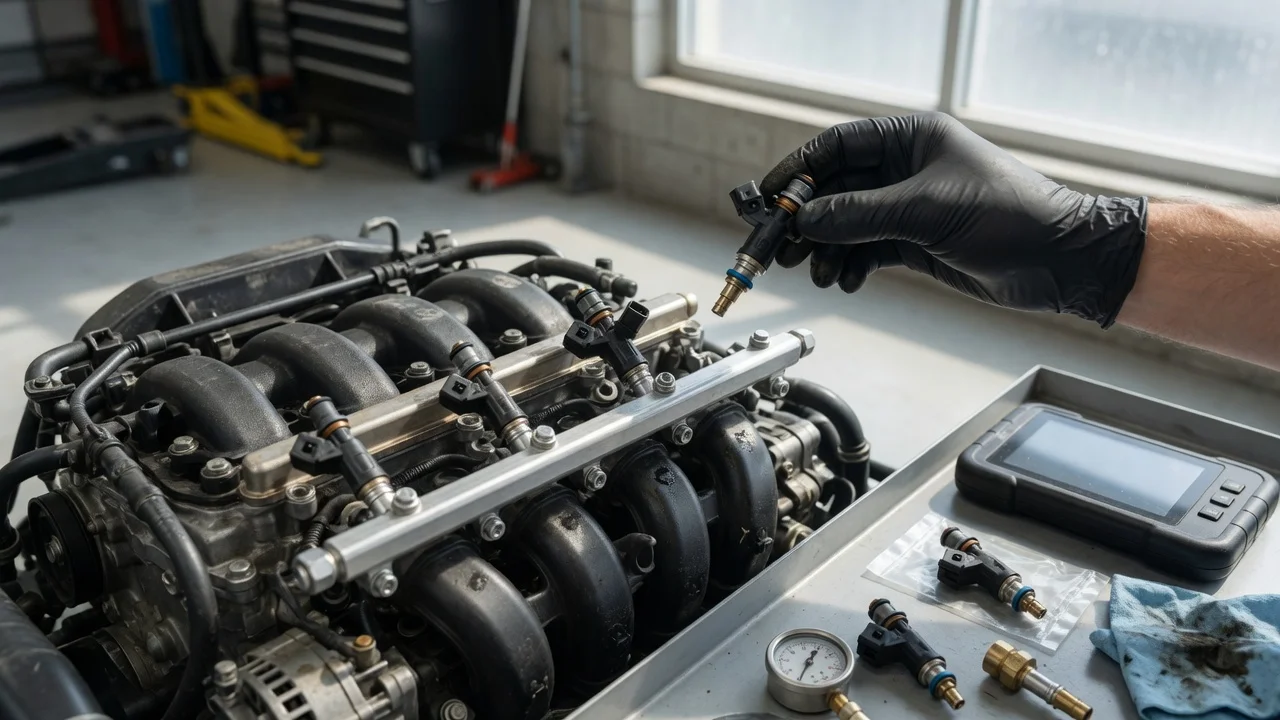
The Short Answer
You can sometimes start a car with a bad fuel injector by using a temporary aid such as a fuel-system cleaner, a small amount of starting fluid, or by increasing throttle input, but these are not reliable repairs. A fuel injector is the component that sprays a fine mist of fuel into the engine's intake or combustion chamber. If an injector is clogged, leaking, or electrically dead, the engine may not get the correct amount of fuel. Starting may be possible, but driving is usually unsafe or damaging. Any method that works is a short-term diagnostic step, not a fix.
When Temporary Starting Methods May Help
A truly failed fuel injector cannot be made to work again from the driver's seat. However, if the injector is only partially clogged or sticking intermittently, the engine may still stumble to life. The following methods are only appropriate when you need to move the vehicle a short distance, diagnose a no-start, or get it onto a trailer. They do not repair the injector.
Step-by-Step Temporary Starting Procedure
Prerequisites
Confirm the battery is fully charged and the starter motor cranks the engine at normal speed. Have a helper present if you need to watch for smoke, leaks, or unusual noises outside the vehicle. Work in a well-ventilated area. Fuel vapors and starting fluid are highly flammable. Check that no fuel is visibly leaking from the fuel rail, injector seals, or fuel lines. If you see or smell raw fuel, stop.
Method 1: Clear a Mildly Clogged Injector
Add a fuel-system cleaner approved for your engine type to the fuel tank according to the product label. Crank the engine for no more than 10 seconds at a time, with 30-second rests between attempts. If the engine starts, let it idle only. Do not rev it hard. Listen for a steady idle. If the misfire continues or the engine shakes badly, switch off. Continuing to run risks washing cylinder walls with fuel or damaging the catalytic converter.
Method 2: Starting Fluid for a No-Start Condition
Starting fluid is only for engines that crank but will not fire. It is dangerous in diesels with glow plugs and in many modern intake systems. Use it only if the vehicle manufacturer does not prohibit starting fluid and you understand the fire risk.
Remove the air filter housing lid to access the intake tube near the throttle body or airbox. Spray a one- to two-second burst of starting fluid into the intake tract. Do not spray directly onto the mass airflow sensor. Immediately return to the driver's seat and crank the engine. If the engine starts, let it idle. It may stall again if the injector is not delivering fuel. Do not use repeated heavy sprays. Excess starting fluid can cause an intake backfire or engine damage.
Method 3: Throttle Input During Cranking
Turn the key to the run position and wait for the fuel pump to prime, usually two to three seconds. Press the accelerator pedal slightly, about one-quarter of its travel, and hold it. Crank the engine for five to ten seconds while holding the throttle steady. If the engine fires, release the pedal gradually to let it settle to idle. On a modern electronic throttle body, this method may not change starting behavior and can trigger a limp-home condition. Stop if the check engine light flashes.
Completion Check
The engine should start and continue running. Note that it may have a rough idle, a flashing check engine light, or reduced throttle response. If the engine starts but smells strongly of fuel, or if the misfire is severe enough to shake the vehicle, shut it off immediately. A running engine with a bad injector can overheat the catalytic converter and create a fire hazard.
When Temporary Starting Is Not Enough
If an injector is electrically open or shorted, leaking externally, or stuck fully open, no starting method from the driver's seat will help. The engine may flood, backfire, or not fire at all. Continuing to crank can cause liquid fuel to collect in the cylinder and damage the piston or connecting rod. A leaking injector at the fuel rail can also create a direct fire risk. In these conditions, the vehicle should not be started or driven.
Next Steps and Professional Work
Any temporary start should be followed by diagnosis and repair. A qualified technician can confirm which injector is faulty using a scan tool, fuel pressure test, injector balance test, or electrical resistance check. Replacing or properly cleaning fuel injectors often requires depressurizing the fuel system, removing the fuel rail, and following exact torque and seal replacement procedures. If the vehicle is under warranty or you are unsure of the fuel system design, leave this work to a professional service.
Applicability and Limits
These temporary methods apply mainly to port-injected gasoline engines. Direct-injection gasoline engines and modern turbocharged engines may not respond to fuel-system cleaners or throttle input in the same way, and starting fluid can damage their intake components. Diesel engines use a completely different injection system, and starting fluid in a diesel with active glow plugs can cause severe engine damage. Always check the relevant owner's manual for the specific vehicle, model year, and engine type before attempting any of these methods.