How to Start a Car With a Bad Fuel Pump (and When You Should Not)
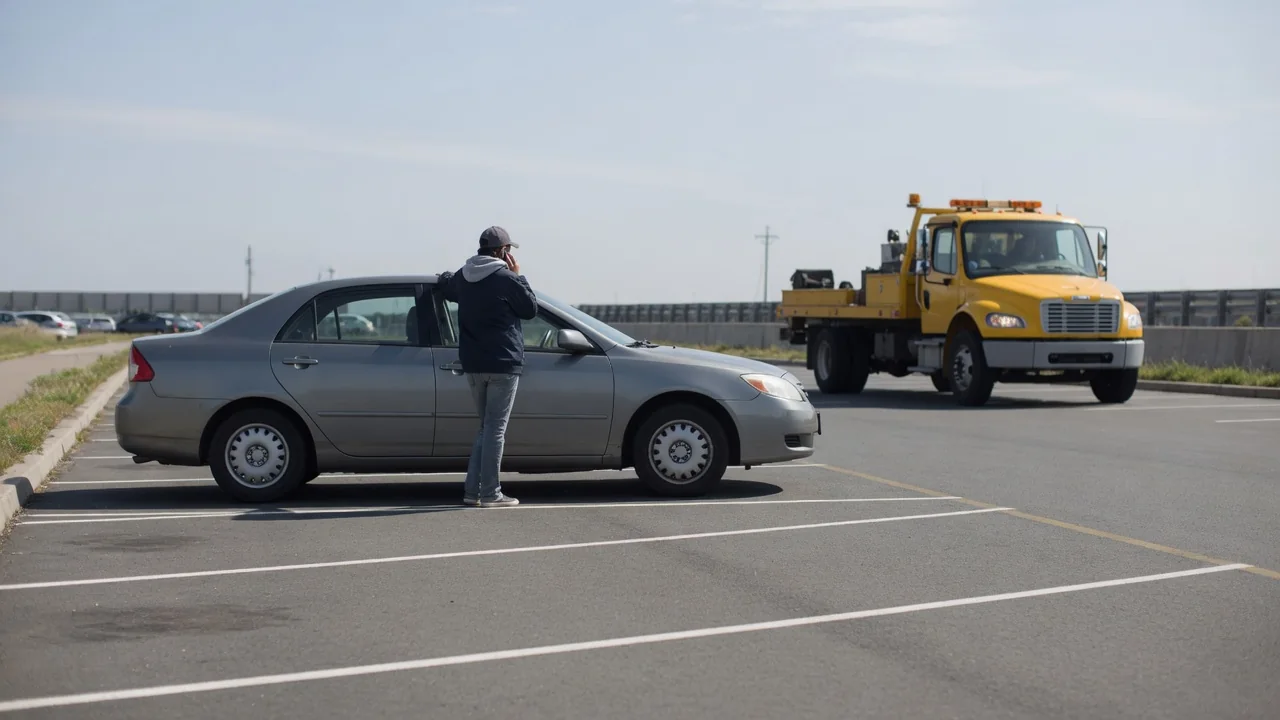
When a suspected fuel pump failure leaves you with a crank-no-start condition, how to start a car with a bad fuel pump is less a trick than a safety question. Tapping the tank, pressurizing the system, or waiting for cooling will not restore fuel delivery. Recognize the limits, protect yourself, and arrange roadside assistance rather than forcing another start.
Can a Car Start With a Failing Fuel Pump?
A weak or intermittent pump can still move some fuel, so the engine may fire after several cranks or a short wait. That occasional start does not mean fuel delivery is healthy, and no roadside trick guarantees the engine will start or keep running. In a crank-no-start condition, injectors and ignition can still look normal while rail pressure stays too low. Treat suspected fuel pump failure as a theory until testing confirms it, because a silent engine cannot name the failed part.
A pump that has stopped completely cannot supply fuel in the normal way, so more key cycles will not revive it. Repeated starting attempts only wear the starter and flatten the battery while the underlying fuel pump electrical circuit or mechanical problem remains. Empty tanks, failed relays, blown fuses, immobilizer lockouts, and ignition faults can produce the same no-start, which is why technicians separate fuel pressure testing from guesswork. Until those checks are done, you are dealing with a suspicion, not a confirmed failed pump.
When to Stop Starting Attempts Immediately
Stop cranking at once if you smell a strong fuel odor, see leakage, notice smoke, or feel unusual heat around the tank, lines, or engine bay. Liquid fuel and vapor are ignition hazards, so keep sparks, open flame, and repeated key cycles away from the area and move people to a safer distance. Call roadside assistance rather than forcing another start when those warning signs are present. A leaking system can worsen with each attempt, and no start is worth a fire risk.
If the vehicle is stranded in a travel lane, on a shoulder with fast traffic, or in another exposed place, personal safety outranks any restart attempt. Get occupants out of the path of traffic when it is safe, use hazard lights if they work, and wait for help rather than standing behind the car. Even without a leak, prolonged cranking drains the battery and can overheat the starter. Follow the owner's manual for cranking limits; those rests protect the starting system, not a failing pump.
Safe Observations That Help Explain the No-Start
Before more key cycles, note whether the engine cranks at a normal speed, turns over slowly, or does not crank at all. That distinction helps roadside assistance: a strong crank with no fire leans toward fuel delivery or spark issues, while a slow crank often points to the battery or starter. Check the indicated fuel level, but do not assume the gauge is accurate or that fuel in the tank proves the pump can move it. A sender fault can leave a full tank and a no-start.
Write down any recent intermittent stalling, hesitation, loss of power, or hard restarts after a hot drive. Those notes help a technician, yet they are not proof the pump failed, because clogged filters, weak ignition, and control issues can feel the same. A brief whir from the tank when you turn the key is useful context, but that sound does not confirm adequate rail pressure. Silence is equally inconclusive: a failed fuel pump electrical circuit, a dead relay, or brief priming can leave the pump quiet without naming the part.
Why Tank Tapping, Pressurizing, and Cooling Are Unreliable
Tank tapping is a familiar suggestion for an intermittent in-tank pump whose worn brushes or sticking armature may briefly respond to vibration. Striking the tank can dent the shell, damage the pump hanger, disturb a sending unit, or crack a fitting, and it offers no dependable repair or diagnosis. Even if the engine catches once, the same weak pump can quit again within minutes. Leave the tank untouched and treat any later start as luck, not a fix.
Normal key-on priming is the vehicle's own brief pump run to build pressure before cranking, and it is not the same as adding air, opening fuel lines, or bypassing pump controls. Those improvised steps can spray fuel, defeat safety cutoffs, or hide the real fault, as can starting fluid and forced cooling with water or ice. A restart after natural cooling can occur with heat-sensitive ignition modules, sensors, or wiring, so a later start does not prove the pump was at fault. Ask for diagnosis rather than another improvised attempt to restore fuel delivery.
If the Engine Restarts, Is It Safe to Drive?
If the engine does restart, that success does not show that fuel delivery will hold under load. A weak pump may idle in the parking lot and then starve the engine on the first merge, hill, or hot restart, leaving you with intermittent stalling and no warning. An unexpected stall in traffic can immobilize the vehicle where it cannot be steered out of a lane, and a silent engine may also reduce steering or braking assistance. That combination turns a mechanical problem into a traffic hazard within seconds.
When pump failure is suspected after stalling or a loss of power, towing is the safer choice. There is no reliable distance you can promise yourself on a failing pump, because pressure can collapse without a new noise or warning light. If you are already sitting in a hazardous position, move only as far as conditions allow to reach an immediate safer spot, then shut the engine down and arrange roadside assistance. Continuing a trip to make it home converts a parking-lot inconvenience into a high-speed stall.
What Professional Testing Should Confirm
A technician confirms suspected fuel pump failure by measuring fuel pressure and delivered volume against that vehicle's specifications, using proper equipment and fuel-handling precautions. Those readings show whether the pump can meet demand at key-on, idle, and load. The fuel pump electrical circuit needs the same attention: supply voltage, grounds, relay and fuse paths, and the control signal that commands the pump. Replacing the pump first can leave a wiring fault, failed driver, clogged filter, or other fuel-delivery problem in place, with the same no-start after the new part is installed.
Give the shop a short handoff: cranking behavior, indicated fuel level, warning lights, stall history, hot or cold conditions, and whether the engine restarted after waiting. Fault codes can steer testing toward a circuit or fuel-system monitor, but a code is evidence to interpret, not proof the pump has failed. Manufacturer-dependent meanings must be confirmed for that specific vehicle rather than assumed from a generic list. Those notes let fuel pressure testing separate a dead pump from look-alike crank-no-start causes.