How to Shift Smoothly in a Manual Car
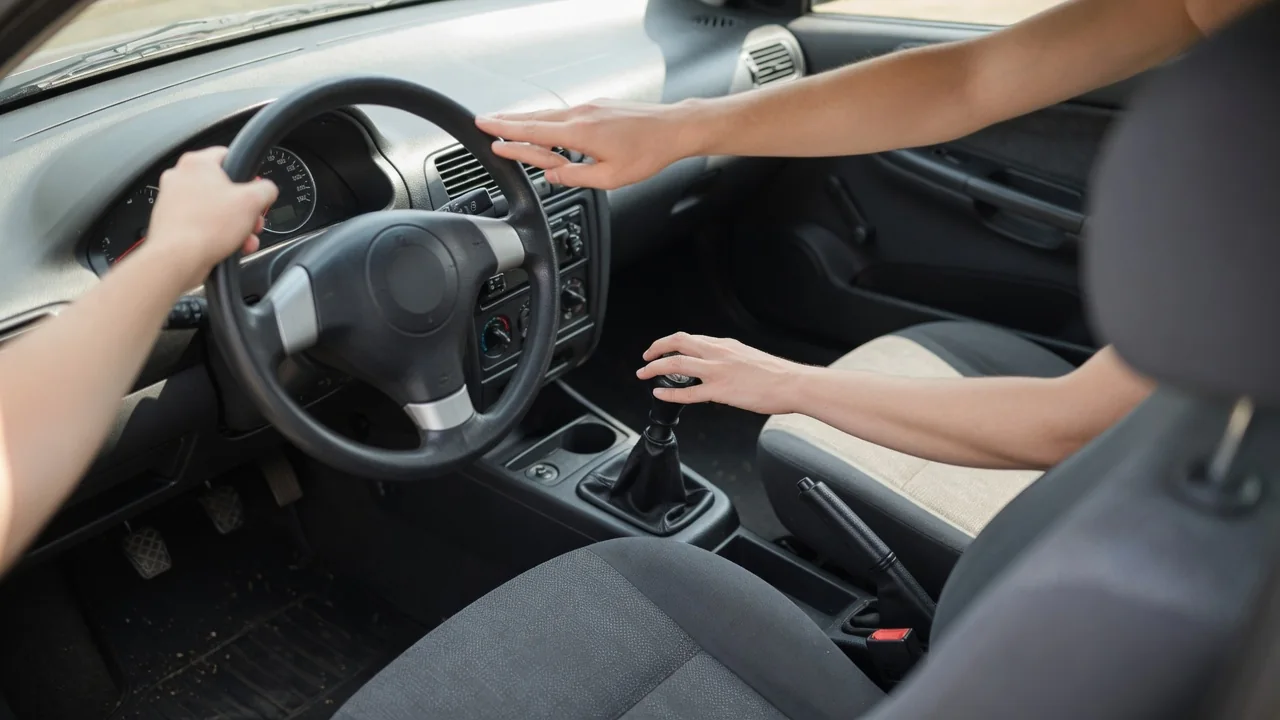
Learning how to shift smoothly in a manual car comes down to timing three things: the throttle, the clutch pedal and the gear lever. When engine speed matches road speed for the next gear, the car changes ratios without a lurch or a head nod. The approach below describes that synchronization in general terms, since pedal feel and gearing differ between vehicles.
Release throttle
A smooth shift starts before the clutch pedal moves. Easing off the accelerator removes the load from the drivetrain, so the gear teeth are no longer being pushed hard against each other. If the throttle is snapped shut, the car pitches forward as engine braking suddenly takes over. Rolling the foot off over a brief moment, just as the left foot begins to press the clutch, lets the two actions overlap so the car neither surges nor dives.
The observable sign of good timing is a steady cabin: passengers' heads stay still and the engine note falls gently rather than flaring or dropping abruptly. If revs rise as the clutch goes in, the throttle was released too late. If the car jerks backward first, the throttle came off too early. Engines with heavy flywheels lose revs slowly, while lighter, sportier engines drop quickly, so the rhythm that suits one car may feel rushed or lazy in another.
Clutch and lever
With the load removed, press the clutch pedal fully and promptly. A complete press separates the engine from the gearbox so the synchronizers can match the speed of the next gear without fighting engine torque. Pressing only partway can leave the clutch dragging, which often shows up as a notchy lever or a brief grinding sound. The pedal does not need to be stamped, but it should travel to the floor before the lever leaves its gate.
Guide the lever with a relaxed hand rather than forcing it. Most gearboxes have a spring that centers the lever, so a light push through neutral lets it find the next gate naturally. A short pause in neutral gives the synchronizers time to work, and the lever will often seem to pull itself into gear when speeds match. Throw length, gate spacing and effort vary widely, and a cold gearbox usually feels stiffer until its oil warms up.
Re-engage smoothly
Re-engagement is where most jerky shifts happen. On an upshift, engine speed needs to fall to the lower rpm the next gear requires at the current road speed. Releasing the clutch quickly up to the bite point, slowing through that zone, and then letting it out completely gives the friction surfaces a moment to blend any remaining speed difference. As the clutch takes up, feed the throttle back in progressively so drive resumes without a gap or a shove.
Downshifts work the other way: the engine must spin faster in the lower gear. A brief blip of the throttle while the clutch is down raises revs so the engagement does not drag the car backward. Watching the tachometer helps at first, though the sound of the engine soon becomes a better guide. Bite point height and clutch weight differ between vehicles, and some newer cars match revs automatically, which changes how much the driver needs to do.
Everyday Use and Observations
In daily driving, the lowest gears are the hardest to make smooth because the ratio gap between first and second is usually the largest. Engine speed has to drop a long way, so a slightly slower clutch release or a short wait in neutral helps. Higher gears sit closer together and tolerate a quicker rhythm. Shifting at moderate engine speeds under light acceleration is generally easier to smooth out than shifting at very high revs or under hard throttle.
Conditions change the timing as well. On an uphill grade the car loses speed during the shift, so the change needs to be brisk and the throttle reapplied sooner. With passengers or cargo aboard, the extra weight makes any mismatch more noticeable. In stop-and-go traffic, leaving a larger gap allows steady progress in one gear instead of constant shifting. Resting a hand on the lever or a foot on the clutch pedal between shifts is best avoided, since both can add wear.
Limits and Next Steps
Technique can only do so much if the hardware is not cooperating. Persistent grinding into one gear, a lever that pops out of gear, a bite point that has moved very high or very low, or a shudder on takeoff may point to wear or adjustment issues rather than driver error. These symptoms are clues to interpret, not proof that a particular part has failed, and they deserve inspection by a qualified technician who can check the specific vehicle.
For a healthy car, improvement comes from repetition in a low-pressure setting. A quiet road or empty parking lot allows practice of one transition at a time, such as first to second, until the motion feels automatic. The owner's manual may include shifting guidance and explain features like shift indicators or hill-hold assistance for that model. Smoothness should come before speed; once the pedal overlap is consistent, quicker shifts follow naturally without added harshness.