How to Share One Car Among Several Road-Trip Drivers
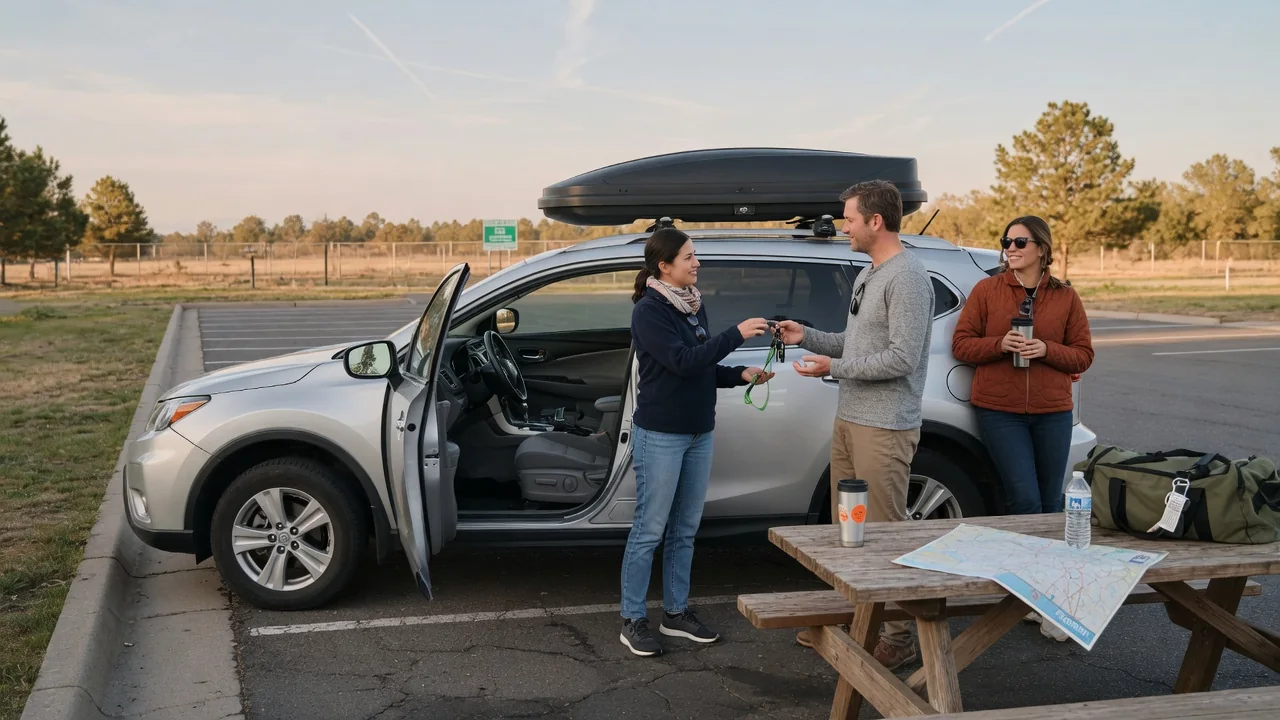
Knowing how to share one car among several road trip drivers comes down to a repeatable handoff: each person resets the cabin to fit their body, takes over rested, and inherits clear information about the route and the vehicle. A simple routine keeps every driver comfortable, keeps the car monitored, and prevents the small oversights that pile up across long highway days.
Seat/mirror reset
Every driver change should begin with the vehicle parked and the incoming driver rebuilding the seating position from scratch. Slide the seat so the brake pedal can be pressed fully with a slight bend in the knee, set the backrest so the wrists can rest on top of the steering wheel rim with shoulders still against the seat, and raise the head restraint so it sits level with the back of the head. A taller driver's settings can leave a shorter one stretching for pedals and peering under the wheel rim.
Mirrors follow the seat, never the other way around, because the view changes with eye position. Adjust the interior mirror to frame the rear window, then set the side mirrors so adjacent lanes are covered with only a sliver of the car's flank visible. Many vehicles offer memory seat buttons or driver profiles tied to a key fob that restore seat, mirror, and sometimes steering column positions, though availability varies by trim, so check the owner's manual. With manual adjusters, a quick spoken checklist does the same job.
Breaks
Breaks work best when they are scheduled around the driver rather than the fuel gauge. Many groups settle on a swap roughly every couple of hours, but the better trigger is how the person behind the wheel feels: heavy eyelids, drifting within the lane, missed exits, or fidgeting to relieve a stiff back all signal that a change is due. Agree in advance that anyone can call a stop without argument, since drivers tend to underestimate their own fatigue.
Use each stop for more than swapping seats. The outgoing driver should walk and stretch, while the incoming one drinks water, uses the restroom, and takes a minute to settle before pulling out. Combining the handoff with refueling or charging makes efficient use of time, and it is a natural moment to clean the windshield and glance at the tires. The person who just finished driving usually rests best in the back seat, leaving the front passenger seat for whoever is alert enough to navigate.
Route updates
A new driver should never inherit a route blind. Before moving off, the outgoing driver gives a short briefing: the next major turn or interchange, how far to the planned stop, any construction zones or weather ahead, and the remaining fuel or battery range. Mention anything unusual about recent conditions too, such as strong crosswinds, heavy truck traffic, or a stretch with few service areas, so the incoming driver knows what kind of concentration the next leg will demand.
Navigation should be handled by the front passenger wherever possible, so the driver is not touching a phone or screen in motion. Phone projection systems and built-in navigation typically reconnect to whichever phone is paired as primary, which can cause confusion when drivers swap; decide which device runs the route and keep it plugged in. Bluetooth priority, voice assistant behavior, and how reroutes are announced differ between infotainment systems, so sort out those settings while parked instead of discovering them at a highway split.
Everyday Use and Observations
Sharing a car means each driver notices different things, and that is useful if observations get passed along. One person may feel a slight pull under braking, another may notice a vibration at highway speed or a new wind noise from a roof box. Report these at the handoff along with any warning lights, tire pressure alerts, or messages that appeared on the instrument cluster. A warning light is a prompt to investigate, not a diagnosis, and its meaning should be checked in the manual for that vehicle.
Comfort settings also deserve a reset. Climate temperature, seat heating, steering wheel reach, and lumbar support suit individuals differently, and a cabin that is too warm encourages drowsiness. Driver assistance features need the same attention: adaptive cruise following distance, lane keeping, and speed limiter settings may persist from the last driver or return to defaults at restart, depending on the manufacturer. Each driver should confirm what is switched on before relying on it, and should know how the car's controls respond before joining fast traffic.
Limits and Next Steps
A rotation only works if every driver is legally and practically able to take a turn. Confirm before departure that each person holds a valid license and is covered by the insurance policy or named on the rental agreement, since rental companies often require additional drivers to be registered. Be honest about skill limits as well: someone unfamiliar with a manual transmission, a large vehicle, towing, or night driving in the mountains should take the legs that suit their experience instead of the hardest ones.
No routine overcomes genuine exhaustion. If every driver is tired, the right move is to stop for the night, because swapping one fatigued person for another adds no safety. Likewise, a persistent warning light, an unfamiliar noise, or a change in steering or braking feel calls for a stop and a professional inspection instead of pressing on. Before the next trip, write the handoff sequence on a card in the glovebox so seat, mirrors, route, and vehicle status are covered at every change.