How to Set a Flexible Arrival Window for a Car Trip
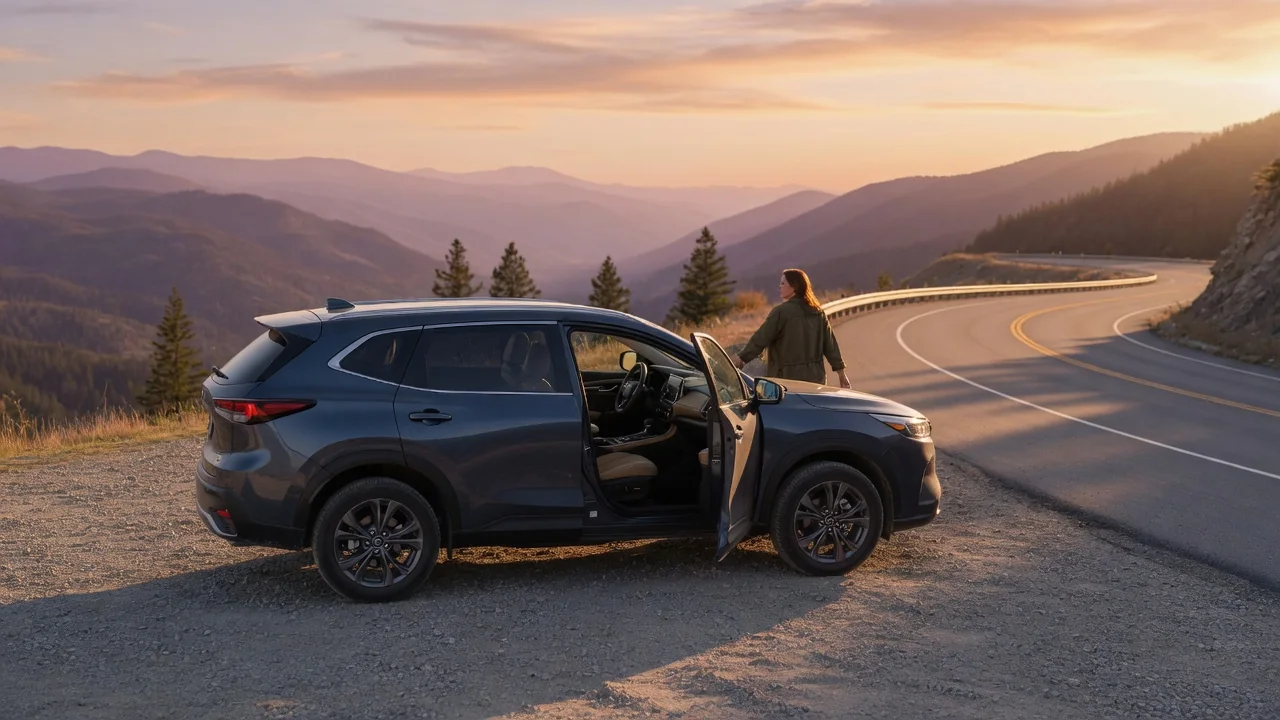
A fixed arrival time on a long drive is a promise the road rarely lets you keep. A flexible arrival window replaces that single number with a range: the earliest realistic time you could pull in and the latest time you would still consider the trip on track. This guide to road trip arrival planning explains how to set a flexible arrival window for a car trip by accounting for traffic variance, planning breaks honestly, and keeping the people waiting for you informed.
Traffic variance
The drive time shown by a navigation app is an estimate built from current or typical conditions. It is a reasonable starting point, not a guarantee. Actual travel time varies for three broad reasons. Recurring congestion follows patterns, such as weekday rush hours around large cities, Friday afternoon departures, and holiday travel periods. Non-recurring events, such as crashes, lane closures, construction zones, and sudden weather, are harder to predict. Route characteristics also matter. Two-lane highways with limited passing opportunities, mountain grades, toll plazas, border crossings, and ferry connections can all add delays that a simple distance-and-speed calculation misses.
To turn that variability into a window, break the route into segments instead of treating it as one block. Long rural interstate stretches tend to be relatively predictable, while urban cores at peak hours and active work zones are not. Set the early end of your window using the estimate under good conditions, with your planned stops included. Set the late end by adding margin specifically to the segments you know are variable rather than applying one flat buffer to the whole trip. Many mapping apps let you check estimated travel time for a future departure, and comparing a few departure times can show whether leaving earlier or later avoids crossing a major metro area at its busiest.
Seasonal and weather conditions deserve their own allowance. Snow, ice, heavy rain, fog, and strong crosswinds all reduce the speed at which a vehicle can be driven safely, and construction is often concentrated in warmer months. Before departure, check forecasts along the whole route, not just at the destination, and review road condition information from the relevant state transportation departments, many of which offer 511 traveler information services. If conditions look uncertain, widen the late end of the window before you leave rather than discovering the problem halfway through the drive.
Breaks
Stops are the part of trip timing that drivers most often underestimate. A fuel stop, restroom break, or meal is rarely just the minutes spent at the pump or the table. It also includes leaving the highway, finding parking, waiting in line, and merging back into traffic. Treat each stop as a complete block of time from exit to re-entry, and count every stop you expect to make, including short ones. Several quick stops can add up to more delay than one long meal break.
Rest breaks are also a safety requirement, not just a convenience. Many road safety organizations advise stopping about every two hours on long drives to counter fatigue, and drivers who feel drowsy should stop sooner. Passengers change the math as well: children, pets, older travelers, and anyone with medical or mobility needs may require more frequent or longer stops. If you drive an electric vehicle, charging time depends on the specific vehicle, the charger's power output, the battery's state of charge, and temperature. Use your own vehicle's documentation and charging network information to estimate it, and plan an alternative charger in case your first choice is occupied or out of service.
A useful technique is to separate fixed stops from flexible ones. Fixed stops, such as a meal at a natural midpoint or a required charging session, go into both ends of the window. A flexible stop, such as an optional scenic break or a longer lunch, acts as a built-in buffer. If you are running ahead, you can extend it; if you are behind, you can shorten or skip it. What you should not do is recover lost time by speeding or skipping the rest your body needs, since both trade a slightly earlier arrival for a meaningfully higher risk.
Communication
A flexible window only works if the people expecting you understand it. Instead of saying you will arrive at a specific time, share a range and briefly explain what drives each end, such as heavy traffic expected near a particular city or a long charging stop. Let them know the window will narrow as the trip progresses. Hosts can plan meals, childcare, or a key handoff far more easily around an honest range than around a precise time that keeps slipping.
Agree in advance on when you will send updates. Practical points include departure, roughly the halfway mark, any moment when the window shifts noticeably, and about an hour before arrival. Decide who sends those updates. A passenger can handle messages, or the driver can use hands-free voice features while stopped or where permitted, but never text while driving; rules on handheld phone use vary by state. Real-time location sharing through a navigation or messaging app can reduce the need for frequent check-ins, provided everyone involved is comfortable with it.
Identify hard deadlines before you leave. Hotel or rental check-in cutoffs, ferry departures, office hours for key pickup, and someone waiting at a specific location are constraints your window cannot simply stretch past. Contact these places ahead of time to learn their late arrival policies, and agree on a fallback if the late end of your window is exceeded, such as a phone call to confirm late access or an alternative place to stop for the night.
Practical implications and limits
The width of the window is a trade-off. Too narrow, and you will be revising it constantly and making the people waiting for you anxious. Too wide, and it stops being useful to anyone planning around you. A short, familiar drive generally justifies a tight range, while a long route through unfamiliar regions warrants a wider one. For multi-day trips, it is usually more practical to set a separate window for each day's destination than one window for the final arrival, since uncertainty accumulates across days.
No window covers every possibility. A full highway closure, a mechanical breakdown, a flat tire, or a medical issue can push arrival well beyond any reasonable margin, and the window should never become a reason to keep driving in unsafe conditions or while exhausted. Vehicle preparation reduces some risks: following the maintenance and pre-trip checks in your owner's manual, such as tire pressure and fluid levels, makes certain problems less likely without eliminating them. Fuel range and energy consumption also vary by vehicle, load, terrain, and weather, so base stop planning on your own vehicle's figures and observed consumption rather than general assumptions.
Over time, the most reliable improvement comes from your own experience. After each trip, note your planned window alongside the actual arrival time and the main reasons for any difference. Those notes reveal whether you consistently underestimate stops, a particular corridor, or a certain time of day, which lets you set future windows that reflect how you actually travel.