How to Replace a Lost Car Registration
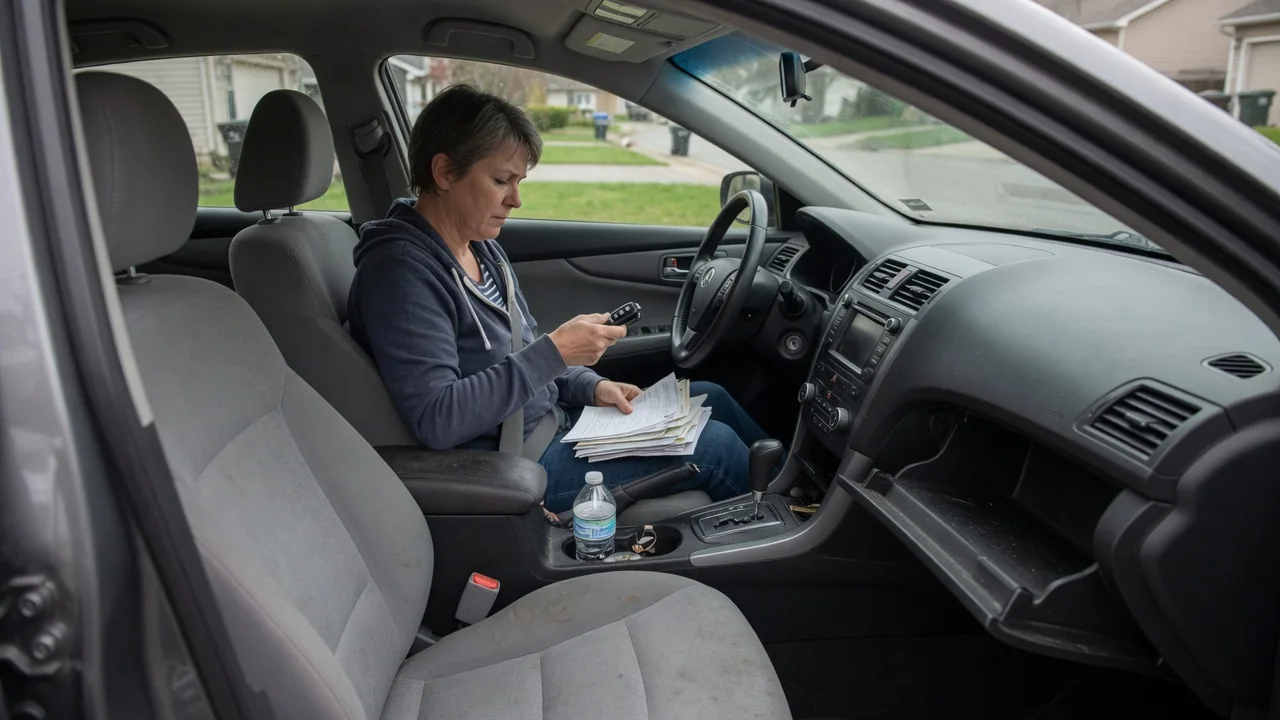
Losing a registration card is a common problem, and the fix is usually simple. This guide explains how to get a duplicate car registration in general terms: what the document is, what the motor vehicle agency typically asks for, how requests are commonly submitted, and what to check once the replacement arrives. Exact forms, fees, and rules depend on where the vehicle is registered.
What This Topic Covers
A registration card is the document showing that a specific vehicle is recorded with a motor vehicle agency and cleared for road use. It usually lists the owner's name and address, the license plate number, the vehicle identification number, the make and model year, and an expiration date. A duplicate is a reprint of that existing record. It does not renew the registration, change ownership, or extend the expiration date, which is why the process tends to be quicker and simpler than a first-time registration.
The registration card is often confused with two other items. The title proves ownership and follows a separate replacement process, usually with stricter identity checks. The plate sticker or decal, where one is used, shows the expiration period on the vehicle itself and may need its own replacement request. Knowing how to get duplicate car registration paperwork starts with identifying which of these is actually missing, because asking for the wrong document costs time and sometimes a second fee.
How It Works in a Vehicle
The process works because the agency already holds the vehicle's record. The card in the glove box is only a printed copy of that file, so replacing it means proving a connection to the record and asking for another copy. Agencies commonly match a request using the plate number, the vehicle identification number, and the registered owner's identification. When those details line up with what is on file, the agency issues a new card showing the same information and the same expiration date as the lost one.
The vehicle itself supplies most of what the request needs. The identification number is usually visible through the windshield at the base of the dashboard on the driver's side and repeated on a label in the driver's door jamb. It also tends to appear on insurance cards, loan or lease paperwork, and service invoices, which helps when the car is not nearby. Copying all seventeen characters carefully matters, since a single wrong letter or digit can cause the request to be rejected or matched to nothing.
Common Variations
Submission methods differ from one jurisdiction to another. Many agencies accept duplicate requests online, some allow them by mail with a completed form, and most handle them at a counter in person. Certain areas also use self-service kiosks or authorized third-party offices. Online requests may produce a printable temporary copy right away with the official card following by mail, while an in-person visit sometimes ends with the card in hand. The fee is usually modest, but the amount and accepted payment types vary by location.
Ownership arrangements create further differences. A leased vehicle is often registered with the leasing company named on the record, so the lessee may need written authorization or may have to ask that company to make the request. Jointly owned vehicles can require one owner's signature or both, depending on how the names are joined on the record. Company vehicles typically need someone authorized to act for the business. Trailers, motorcycles, and commercial trucks usually follow the same general path, though the forms and fees may not match those for passenger cars.
Everyday Use and Observations
The registration card comes up more often than many drivers expect. An officer may ask for it during a traffic stop along with a license and proof of insurance. Emissions or safety inspection stations, where those programs exist, frequently need it before testing begins. It can also be requested when selling or trading in the car, shipping it, applying for a parking permit, or recovering it from a tow yard. A missing card is usually noticed at one of these moments, so replacing it promptly avoids delays.
Where the card lives deserves some thought once the duplicate arrives. The glove box is the traditional spot, but a card left in the car can be taken in a break-in and exposes the owner's home address. Some drivers carry it in a wallet instead, and some jurisdictions accept a digital or photographed copy while others insist on the original paper. Keeping a clear photo on a phone is useful either way, because it preserves the plate and identification numbers needed for any future replacement request.
Limits and Next Steps
A duplicate has clear limits. If the registration has already expired, renewal is the correct request, and that may bring its own requirements such as current insurance or a passed inspection. Unpaid fees, an insurance lapse on file, or other holds can block a simple reprint until they are resolved. An outdated address on the record can send the new card to the wrong place, so an address update usually has to come first. Recently purchased vehicles that were never registered to the new owner need a transfer instead.
The practical next step is to check the official website of the agency where the vehicle is registered and confirm the current form, fee, and identification requirements before submitting anything. If the card was stolen along with other documents, noting the theft with local police and watching for misuse of personal details is sensible. Once the replacement arrives, compare the plate number, identification number, name, and expiration date against the vehicle and existing records, and report any error to the agency right away so it can be corrected.