How to Prepare Your Car for Winter Driving: Full Checklist
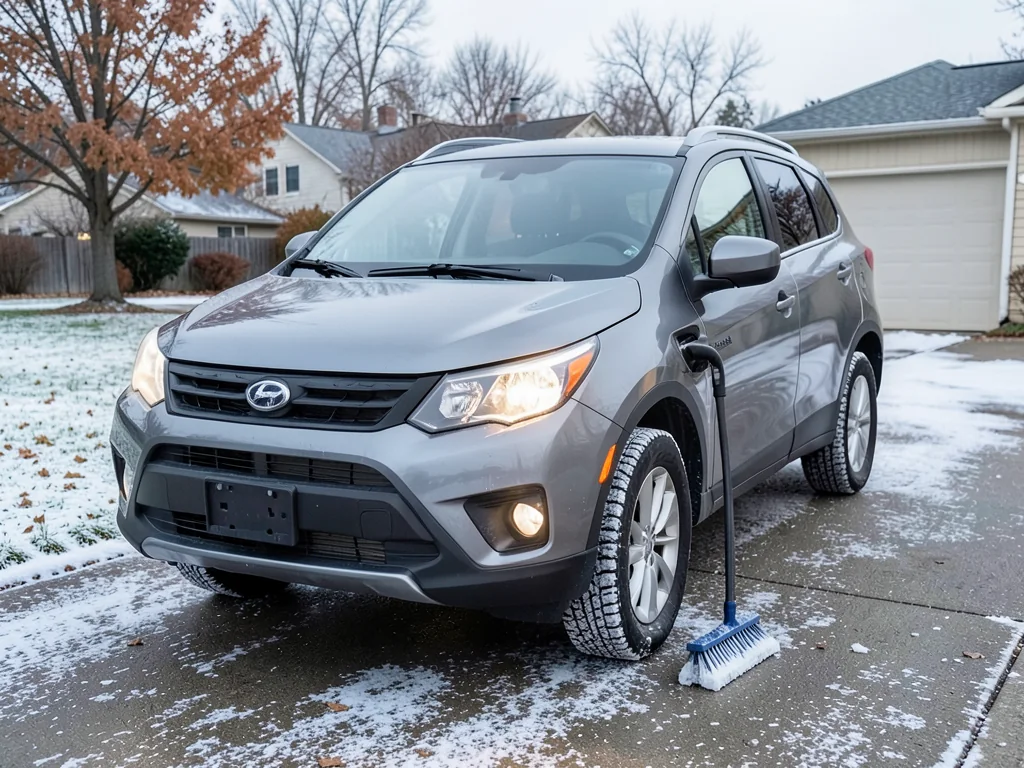
Cold weather, road salt, short days, and slick surfaces put extra strain on your vehicle and demand careful winter driving preparation. Starting in early fall lets you find and fix problems before the first freeze. This guide covers the vehicle itself—battery, fluids, wipers, lights, tires, heater, and useful accessories—while emergency kit contents are addressed separately.
Why Winter Driving Preparation Starts Before the First Freeze
Cool temperatures thicken engine oil, reduce battery output, and make materials brittle, while road salt promotes corrosion and short daylight hours limit visibility. Slick surfaces increase stopping distances and demand full tire grip. Preparing for winter driving early means addressing these stresses before conditions worsen, ensuring your car is ready when temperatures drop and snow or ice appear.
Your owner's manual is the primary source for cold-weather fluid specifications, tire pressures, and maintenance schedules. Some checks, like inspecting belts or coolant levels, are simple visual tasks, but charging system diagnosis or cooling system repairs require a qualified technician. This winter driving checklist focuses on the vehicle only; emergency supplies, such as blankets and food, are covered in a separate guide.
Checking the Battery and Charging System Before It Gets Cold
Cold weather lowers a battery's available cranking power because chemical reactions slow down, making weak batteries fail more often. Before winter, watch for slow cranking, dim lights at startup, battery warning lights, or visible corrosion and loose terminals—but avoid touching live parts. These signs suggest the battery or charging system needs attention.
A professional load test or charging system test at a parts store or repair shop is more reliable than a voltage reading alone. Keep the battery securely mounted and terminals clean, but leave hands-on battery work to someone trained if you are unsure. Battery lifespan varies with age, climate, and usage, so rely on testing rather than a universal replacement interval.
Coolant, Washer Fluid, Oil and Other Winter Fluid Checks
Coolant, or antifreeze, prevents freezing and corrosion while transferring heat. The correct type and mix matter, so consult your owner's manual for the specification. Check the level only when the engine is cold, using the coolant reservoir markings. Never open a hot cooling system, as pressurized steam can cause severe burns.
Winter-rated washer fluid resists freezing; plain water can freeze in the reservoir and lines, impairing visibility. Oil viscosity recommendations come from the manufacturer, and some vehicles list a grade for cold climates—do not assume a universal interval. If you notice sweet smells, puddles under the car, a rising temperature gauge, or fluid that keeps dropping, have a professional inspect the system.
Visibility Checks: Wipers, Lights, Heater and Defroster
Worn wiper blades streak, chatter, or have torn rubber, reducing visibility in snow and slush. Winter-style blades with a protective boot can prevent ice buildup. Walk around the car to check headlights, taillights, brake lights, turn signals, and fog lights; clean hazy lenses with a suitable polish to restore brightness.
Test the heater and front and rear defrosters. Weak heat or slow defrosting can indicate low coolant, a failing thermostat, or a blocked heater core, but a technician should diagnose the exact cause. Checking the cabin air filter and door and window seals helps reduce interior fogging and improve comfort. If heater or defroster problems persist, seek professional help rather than guesswork.
Winter Tires, Tread Depth and When to Replace Tires
Check tread depth with a gauge or tread wear indicators. Snow and slush demand more tread than the legal minimum for adequate grip. All-season tires compromise in winter, all-weather tires carry the three-peak mountain snowflake symbol for moderate snow, and dedicated winter tires offer the best cold-weather traction.
Tire pressure drops as temperatures fall, so check it when tires are cold against the placard on the door jamb. Replace tires with uneven wear, cracking, bulges, age markings, or poor grip, and have a tire professional inspect them. Fit winter tires as a full set, and check local rules on studded tires or chains rather than assuming they are allowed.
Useful Winter Driving Aids and Accessories
Practical everyday accessories include a snow brush, ice scraper, windshield cover, all-weather floor mats, and de-icer spray. These items help you clear snow and protect the interior from slush and salt. A windshield cover can prevent ice from forming overnight, saving time on cold mornings.
Traction aids like snow chains and textile snow socks improve grip on packed snow and ice, but check vehicle clearance, the owner's manual, and local laws before use. Built-in aids—traction control, stability control, ABS, heated mirrors and seats, and remote start—assist but do not replace careful driving. Engine block heaters suit very cold climates; confirm fitment with the manufacturer or dealer.
Printable Winter Driving Safety Checklist and Road Trip Prep
Before winter, sum up the key checks: battery load test, coolant level and mix, winter washer fluid, tire tread and pressure, wiper blades, all lights, heater and defrosters, and accessories like snow brush and ice scraper. Repeating these quick checks through the season is wise because conditions and wear keep changing.
For a road trip, check the forecast and road conditions, fill the fuel tank, top up washer fluid, and clear all snow and ice from the car. Have brakes, belts, and hoses inspected by a professional before a long winter trip, as they endure extra stress. Schedule a pre-winter inspection for any item you cannot safely check yourself.