How to Prepare Your Car for a Road Trip: Pre-Trip Inspection Checklist
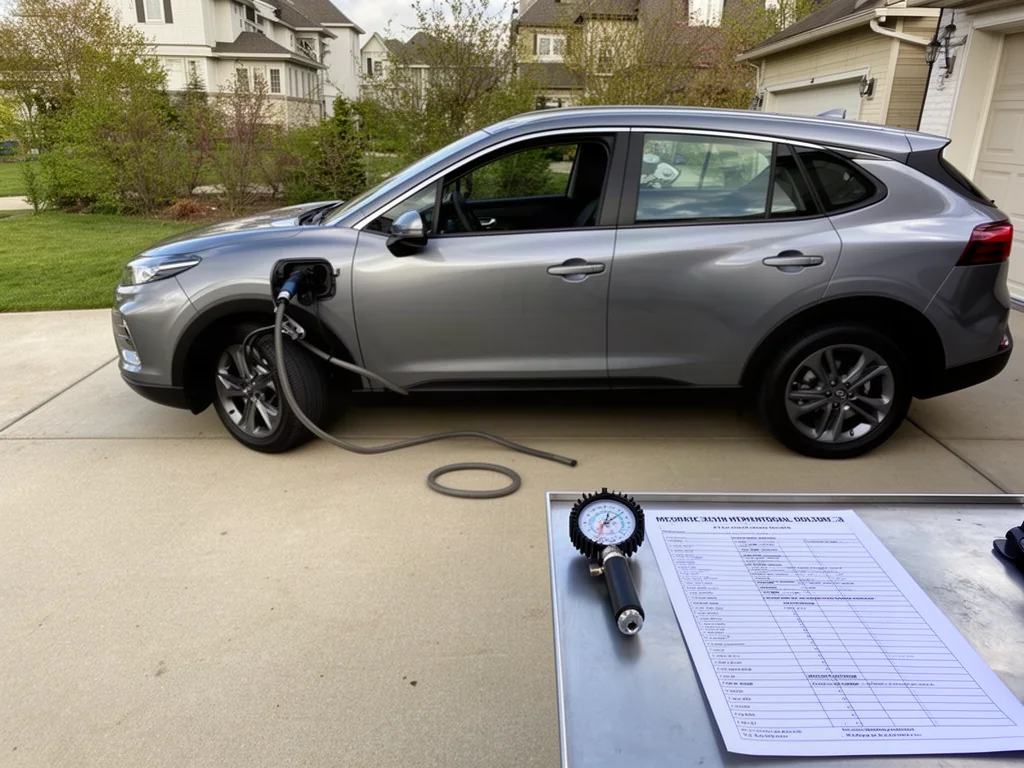
Getting a car ready for a road trip starts with mechanical readiness, not packing. A car checklist for a road trip should cover fluids, tires, brakes, battery, lights, wipers, and drive belts, plus any due service or tune-up. Pre-trip inspection cannot promise a trouble-free drive, but checking the car before a long road trip reduces the chance a known issue becomes a roadside problem.
Start With Maintenance History and Known Problems
Car preparation for a road trip begins with maintenance history rather than a last-minute glance under the hood. The owner's manual and service records show which work is already due under that vehicle's schedule, the starting point for car maintenance before a long road trip. If records are missing, treat the car as needing a professional check-up before departure instead of assuming everything is current. Warning lights, slow starting, unusual noises, fresh leaks, or a change in how the car drives deserve investigation with enough time left to cancel or delay the trip if needed.
Organize a pre-trip inspection around two kinds of items: checks an owner can make safely while the car is parked and cool, and symptoms that need a shop. A printable-style car checklist for a road trip is useful as a reminder of fluids, tires, lights, and obvious damage, not as a substitute for diagnosis. Road trip car prep still cannot guarantee a trouble-free drive because hidden wear, heat, load, and distance can surface problems that were quiet around town. The goal is to find known issues early, then decide whether the car is ready for highway hours.
Check Tire Pressure, Tread, and Visible Damage
Checking the car before a road trip should include tires first, because they carry the load for every mile. Measure cold tire pressure against the door-jamb placard or owner's manual, including any load guidance for extra passengers or cargo, and do not treat the sidewall maximum as the target. Look at tire tread for remaining depth and for uneven wear that can point to alignment, inflation, or suspension issues. Note cuts, bulges, and embedded objects without pulling objects out or attempting a repair in the driveway.
A tire pressure warning light is a prompt, not a substitute for a gauge check, and it may not catch a slow leak until the pressure has already dropped. Recurring pressure loss, vibration at speed, or any visible damage needs professional assessment before a long drive rather than a wait-and-see plan. If the vehicle has a spare, check its pressure and visible condition the same way; if it uses a mobility kit instead, confirm that kit is present, complete, and not expired. Either way, a road trip car inspection that skips tires leaves the most loaded parts unreviewed.
Inspect Fluids, Leaks, and Accessible Belts
Car fluids to check before a road trip are the ones the owner's manual lists for owner inspection, typically engine oil, coolant, brake fluid, and washer fluid. Follow the manual for the required vehicle position and temperature; many oil readings are meant on level ground after a specified wait, and coolant level is read at the reservoir markings when the system is cool. Never open a hot pressurized cooling system. Use only fluids that meet the vehicle's specifications, avoid overfilling, and treat repeated loss as a reason for diagnosis rather than another top-off.
With the engine off and components cool, look for fresh drips under the car and for cracked, glazed, or frayed drive belts and hoses that are visible without reaching past fans or moving parts. Visual checks cannot establish remaining belt life, and a dry parking pad does not prove there is no leak once the engine is hot and the car is loaded. Unexplained fluid loss, inaccessible components, or a damaged-looking belt belongs at a shop before highway miles rather than another owner inspection.
Recognize Brake and Battery Concerns Before Departure
Brake pedal feel is one of the most important things to notice when getting a car ready for a road trip, because long descents and extra load expose fade, pull, and extra travel that short errands may hide. Grinding, pulling, vibration under braking, unusual pedal travel, or a persistent brake warning needs assessment before departure. Abnormal braking or a pedal that sinks is a reason to stop using the car and arrange professional help; do not take a highway test drive to confirm an unsafe condition. Quiet everyday stops still cannot prove remaining pad thickness or overall brake health.
Battery condition matters on a long road trip because accessories, heat, and repeated starts at rest stops load a weak battery that still starts the car at home. Slow cranking, repeated jump-starts, or starting and charging warnings are reasons to arrange battery and charging-system testing rather than hoping the next start will be fine. Limit owner observations to what is safely visible; swelling, leakage, damaged cases, or loose-looking connections need professional attention without touching or disconnecting anything. Normal starting does not establish reserve capacity, so arrange testing when history or symptoms are uncertain.
Test Lights, Wipers, and Windshield Visibility
Exterior lights are easy to skip during car prep for a road trip, yet they are how other drivers read your intentions after dark and in rain. While safely parked, check headlights, turn signals, brake lights, taillights, and hazard lights, using a helper or a reflection on a garage door or window. Test washers and wipers on a wet windshield and watch for streaking, skipping, damaged blades, or a blocked spray pattern. Windshield visibility at highway speed depends on those parts working together, so replace a failing blade or clear a clogged nozzle before the first long day.
Clean the glass and confirm that interior and exterior mirrors give a clear view of traffic, because glare and film hide brake lights that looked obvious in town. Arrange assessment for windshield damage that affects the driver's view rather than guessing whether a crack will stay put under highway vibration. Confirm that ventilation and defogging controls clear the windows well enough for rain, temperature changes, and a full cabin. Those car road trip tips are about seeing and being seen; they belong on a road trip safety checklist even when the engine, tires, and brakes already look acceptable.
Decide Whether to Book Service or a Tune-Up
Should you get the car checked before a road trip depends on due maintenance, unresolved symptoms, missing service history, and what the owner checklist found. A dealership, independent shop, or trusted service center can all do a pre-trip inspection; choose a place that can work on that vehicle and diagnose the actual concerns rather than selling a generic package. A road trip car tune-up is not a universal set of parts. Ask for the scheduled service the manufacturer lists plus diagnosis of noises, leaks, warning lights, brake feel, tire condition, and battery testing when those items are in doubt.
Allow time after service for normal local driving when the car is safe to use, so you can confirm the reported concern is actually resolved before the long haul. Before departure, recheck fluid levels, cold tire pressure, lights, and any item that was still open. During a road trip in the car, treat new warning lights, overheating, tire pressure loss, or a change in braking as a reason to stop somewhere safe and seek appropriate help. Those steps finish preparing a car for a long road trip without treating a checklist as a guarantee.