How to Prepare an Overnight Parking Plan During a Road Trip
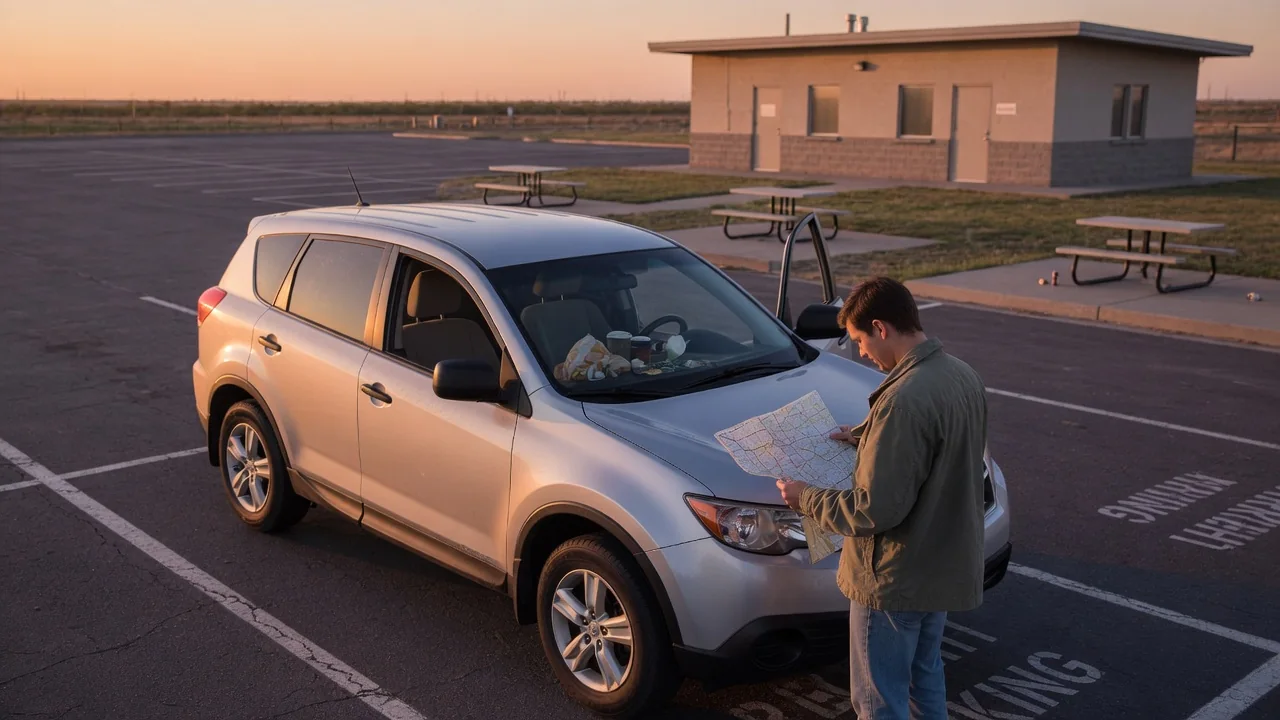
Knowing how to prepare an overnight parking plan during a road trip keeps a long drive from ending with a rushed, poorly lit choice at midnight. A good plan covers three things: where the vehicle sits, what stays inside it, and how you confirm everything is in order before pulling away. The basics below focus on access and vehicle security.
Choose location
Location decides most of the outcome, so pick it before fatigue does. Look for a space with steady lighting, a clear line of sight from a lobby, office window or attended booth, and regular foot traffic. A spot near a building entrance usually draws more attention than one at the far edge of a lot beside a fence or dumpster enclosure. If you are staying at a hotel, ask at check-in which area the staff recommends and whether the lot is gated, patrolled or covered by cameras.
Access matters as much as visibility. Confirm that the space will not be blocked in by delivery trucks, snow clearing or early street sweeping, and read every posted sign for time limits, permit rules and towing notices. Taller vehicles, roof boxes and trailers need a clearance check before entering a parking garage, and that height varies with the vehicle and the cargo carried. Backing into the space can make departure easier and, on many vehicles, places the cargo opening against a wall where it is harder to reach.
Take valuables
An empty-looking cabin is the simplest deterrent available. Carry in laptops, cameras, wallets, passports, medication and any bag that suggests something worth taking, even if it only holds laundry. Small clues count as well: a suction mount on the windshield, a charging cable trailing from the console or loose change in a cup holder tells a passerby that electronics or cash may be nearby. Wipe the mount ring from the glass and stow cables out of sight before you leave.
Whatever must stay in the vehicle should be moved to the trunk or covered cargo area before you arrive, not in the lot where someone may be watching. Hatchbacks, wagons and SUVs differ here, since some have a retractable cargo cover and others leave the load area open to view through the rear glass. Pickup beds without a locking cover offer little protection. Take the registration and insurance paperwork if it lists your home address, along with any garage door opener and the spare key.
Morning check
Before unlocking, walk once around the vehicle in daylight. Look at each window and the door edges for chips, pry marks or disturbed weatherstripping, and check that the fuel door, roof box and hitch-mounted carrier are still latched. Glance at all four tires for a low or uneven stance, and look underneath for fresh fluid spots that were not there when you parked. A puddle of clear water under the front of the cabin is often air conditioning condensation, while colored or oily fluid deserves a closer look.
Once inside, confirm that nothing has been moved and that the interior lights, locks and windows respond normally. Watch the instrument cluster during startup; warning lamps should illuminate briefly and then go out. A tire pressure warning after a cold night may reflect the temperature drop rather than a puncture, though the pressures should still be checked against the placard on the door jamb. If a light stays on, treat it as a prompt to investigate, since the meaning of an indicator can depend on the manufacturer.
Everyday Use and Observations
Repeating the same routine at every stop makes it reliable. After pressing the lock button, pull a door handle to confirm that the doors actually locked, because a weak key fob battery, an open hatch or radio interference can leave a vehicle unsecured without obvious warning. Many vehicles flash the lamps, sound a chirp or fold the mirrors as confirmation, but that behavior varies by model and by the settings chosen in the vehicle menu. Close every window fully, including the sunroof and any vent position.
Observation over several nights teaches you what is normal for your own vehicle. Note how the alarm indicator on the dash or door blinks when armed, how long the interior lights stay on after shutdown, and whether accessories such as a dash camera or cooler keep drawing power with the ignition off. A parking mode recorder can be useful, but an accessory that runs all night may drain the battery on some vehicles. Photographing the parked car and its surroundings also gives you a record of the space and the vehicle's condition.
Limits and Next Steps
No plan removes risk entirely. Lighting, cameras and locked doors make a vehicle a less attractive target, yet a determined thief can still break glass in seconds, and factory security equipment differs widely between models and trim levels. Local parking rules also change from one city, rest area or campground to the next, so a habit that worked last night may not be permitted tonight. Check your insurance policy before departure to understand what is covered for the vehicle and for personal belongings inside it.
If something does go wrong, avoid disturbing the scene more than necessary. Photograph the damage, note the time and location, and report it to the property manager and local police before contacting your insurer. Broken glass, a damaged lock or an unexplained warning light should be assessed by a qualified technician before a long highway stretch. For the next leg, the owner's manual is the right reference for alarm settings, lock behavior and any feature that affects how your particular vehicle secures itself.