How to Prepare a Car for a Service Appointment
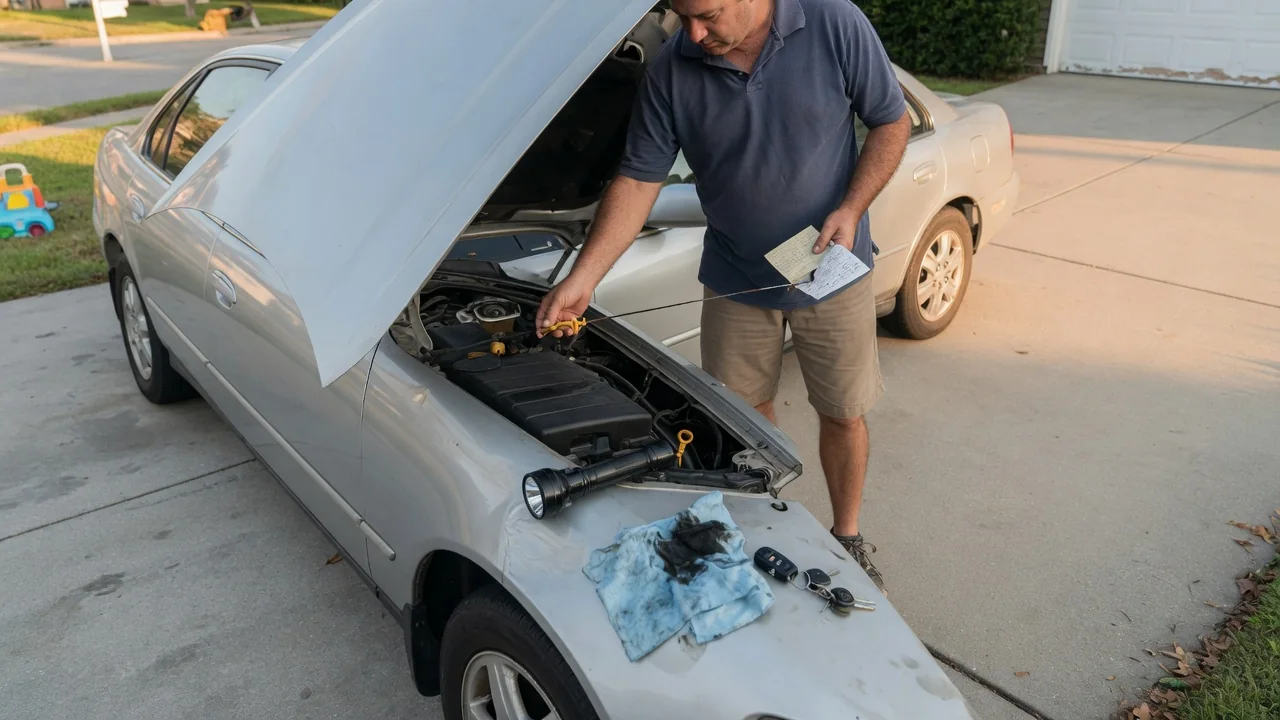
Learning how to prepare a car for a service appointment comes down to two things: giving the technician clear information and giving them clear access. A shop can only diagnose what it can reproduce, reach, and verify. A few minutes spent noting symptoms, emptying the cargo area, and gathering keys and paperwork helps the visit focus on the actual concern instead of guesswork.
Record details
Start by writing down what the car does, not what you think is wrong. Note whether a noise happens on a cold start, during braking, while turning, or at highway speed, and whether it changes with engine speed or road speed. Record when a warning light first appeared, whether it stays on steadily or flashes, and whether it came with a change in how the car drives. Specific conditions let a technician recreate the problem on a test drive rather than hunting for it.
Other details are worth capturing too: the odometer reading, recent fuel fill-ups, any fluid spots under the car and their color, and work done recently elsewhere. A short phone video of a dashboard message or an intermittent sound can be valuable, because intermittent faults often refuse to appear at the shop. Warning symbols and message wording differ between makes and model years, so photograph the display exactly as shown instead of describing it from memory, and check the owner's manual for what that indicator means on your vehicle.
Clear access
Technicians need to reach parts of the car that owners rarely think about. The spare tire well, the battery, the cabin air filter housing, and certain fuse panels may sit beneath the cargo floor, behind the glove box, or under a seat, depending on the vehicle. Removing strollers, tools, sports gear, and loose items from the trunk and footwells saves the shop from moving your belongings and reduces the chance of anything being misplaced or damaged during the inspection.
Access also covers things attached to the car. If the wheels use locking lug nuts, place the key adapter somewhere obvious, such as the cup holder, because tire rotation or brake inspection cannot proceed without it. Roof boxes, bike racks, and hitch-mounted carriers can interfere with lifts or rear hatch operation, so consider removing them. Child seats may need to come out if the concern involves seat belts, rear seats, or components beneath them. Take valuables and personal documents home, and remember that a reasonably clean interior makes leaks or odors easier to trace.
Bring keys and records
Bring every key or fob the appointment may require. Some services, such as programming work or diagnosing a remote entry or immobilizer concern, may call for all keys to be present, though this depends on the manufacturer and the job, so ask when booking. If the car has a valet key, a separate wheel lock key, or an aftermarket alarm remote, include those as well. Mention any quirks, like a hidden kill switch or a particular starting sequence, so nobody is stranded in the service lane.
Paperwork gives the shop context that the car cannot provide. Past invoices show which parts were replaced and when, which helps avoid repeating work and may reveal a pattern behind a recurring symptom. Bring the maintenance booklet or digital service history, any warranty or extended service contract documents, and recall notices you have received. If another shop read a fault code, bring that report, but understand that a code points to a circuit or system worth testing; it does not prove that a specific part has failed.
Everyday Use and Observations
The way the car is used shapes what the technician should look for. Short trips, frequent towing, stop-and-go commuting, dusty roads, and long periods of sitting each stress different systems, from the battery and brakes to fluids and filters. Tell the service advisor about your typical driving, including who else drives the car and whether it is parked outside. Maintenance schedules often distinguish between normal and severe use, and the definitions vary by manufacturer, so your description helps the shop apply the right one.
In the days before the visit, pay attention during ordinary driving. Notice whether the steering pulls on a flat road, whether the brake pedal feels different, how the transmission shifts, and whether the climate control cools and heats evenly. Check that exterior lights, wipers, and washers work, and glance at tire wear across each tread. Avoid clearing warning lights or disconnecting the battery beforehand, since that can erase stored data the technician relies on. Arriving with a reasonable fuel level also allows a proper road test.
Limits and Next Steps
Preparation has limits. Owner observations guide diagnosis but do not replace it, and a symptom that seems obvious may have several possible causes that only testing can separate. Resist the urge to attempt repairs or swap parts just before the appointment, because fresh changes can mask the original fault. If the car shows signs that affect safety, such as a flashing engine warning, a soft brake pedal, overheating, or a strong fuel smell, ask the shop whether it should be towed instead of driven in.
At drop-off, walk through your notes with the service advisor and confirm that the concern is written on the repair order in your own words. Ask how the shop will contact you, and make clear that additional work needs your approval before it begins. Offer to ride along on a test drive if the symptom is hard to describe. Afterward, keep the invoice with your records and note whether the symptom returns, since that follow-up information makes the next appointment easier to prepare for.