How to Prepare a Car for a Passenger With Lots of Luggage
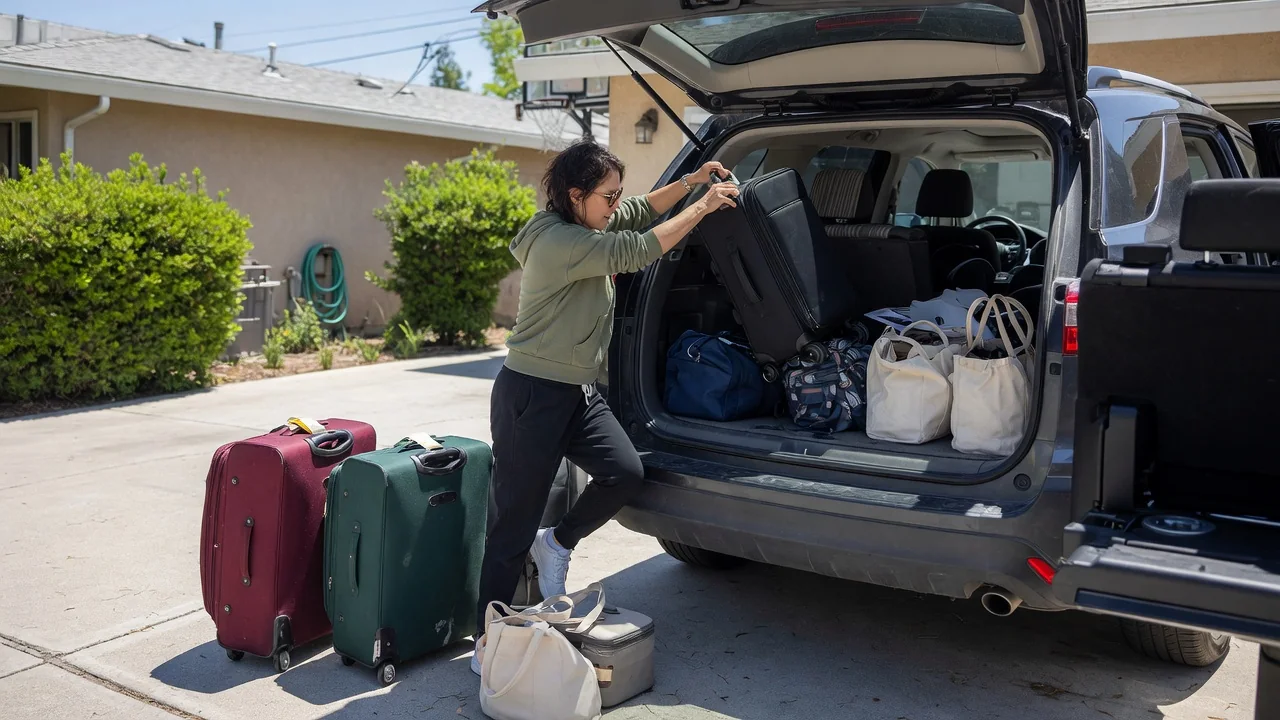
Knowing how to prepare a car for a passenger with lots of luggage saves a scramble at the curb. A little planning before the pickup decides where the person sits, where each suitcase goes, and how the doors and trunk stay usable. The approach below works for sedans, hatchbacks, SUVs and minivans alike, because it relies on observation rather than published capacity figures.
Allocate space
Start by emptying the car of anything that does not need to make the trip. Sports gear, reusable shopping bags, a stroller or a toolbox left in the trunk can consume the room a large suitcase needs. Then decide where the passenger will sit before thinking about bags. The front passenger seat usually offers the most legroom and leaves the entire rear bench free for overflow, while a rear seat keeps the bags and their owner together on one side of the cabin.
Next, look at how the cargo area actually behaves. Many vehicles have a split-folding rear seatback, so one portion can drop to carry a long bag while the other still seats a person, but the split ratio, release location and whether the folded seat lies flat differ by model. Check for a removable cargo cover, an adjustable load floor or a pass-through behind the armrest. The owner's manual describes these features, and a quick trial with an empty suitcase shows what truly fits.
Secure bags
Loose luggage becomes a hazard in hard braking or a sudden swerve, because an unrestrained bag keeps moving when the car slows. Place the heaviest suitcases on the floor of the cargo area, pushed against the back of the rear seat, so the seatback restrains them. Lighter, softer bags go on top and fill gaps so the stack cannot shift. In a hatchback, wagon or SUV, keeping the load below the top of the seatback matters, since nothing separates cargo from occupants above that line.
Look for tie-down anchors in the cargo floor or side walls; many vehicles provide them, and some include a cargo net or retractable barrier, though the equipment differs by model and trim. Straps or a net hooked to those points hold a tall stack in place. If a bag must ride on the rear seat, set it on the floor behind a front seat when it fits, or buckle the seat belt across it. Avoid the rear parcel shelf, where even small items can fly forward.
Keep exits clear
Every occupant should be able to open a door and step out without moving a suitcase first. When bags share the rear seat with a passenger, stack them on the side away from that person's door, and keep the footwell beside them open. Confirm the seat belt buckle is not buried under a bag and that the head restraint and seatback sit in their normal position. A bag wedged against a front seatback can also stop the seat from adjusting properly, which affects the driver's posture.
The driver's view deserves the same attention. Luggage piled above the rear window line blocks the interior mirror, leaving only the side mirrors, and tall items next to rear side windows hide traffic during lane changes. Nothing should sit near the pedals, the shifter or the parking brake. Think about arrival too: load the bags the passenger needs first nearest the trunk opening, and choose which side of the car will face the curb so they exit away from traffic.
Everyday Use and Observations
A heavily loaded car feels different, and noticing that early helps. The rear suspension settles lower, the steering can feel lighter, and stopping takes more distance, so allow extra following room and brake earlier than usual. Headlights may aim higher at night when the tail sits low; some vehicles have a manual leveling control, others adjust automatically, and many have neither. Listen during the first few blocks for thumps or sliding sounds, which signal a bag that has worked loose and needs repositioning before continuing.
Comfort matters on an airport run or a long drive. A passenger surrounded by bags benefits from clear airflow, so check that rear vents under the front seats or in the console are not covered. Keep a small bag with documents, a phone charger and water within reach instead of buried in the trunk. Power liftgates and trunk lids may stop or reverse if a suitcase is in the way, so watch the lid close fully and confirm no door-ajar warning stays lit on the dash.
Limits and Next Steps
Every vehicle has a maximum combined weight for occupants and cargo, and it is usually printed on the tire and loading placard found on the driver's door jamb, along with the recommended tire pressures. Those numbers are specific to the vehicle, so read them from the car instead of guessing. Some manufacturers list a different pressure for a full load; the placard or owner's manual will say. Checking the tires cold before a heavy trip is a simple step that supports handling and braking.
When the luggage plainly exceeds what the cabin and trunk can hold safely, forcing it in is the wrong answer. A roof box or carrier is one option, but roof load ratings are vehicle-specific and the added height changes handling and clearance in garages. Other sensible choices include a second vehicle, a larger rental, or shipping some bags ahead. Asking the passenger in advance how many pieces they are bringing, and roughly how large, lets the driver settle the plan before anyone reaches the curb.