How to Plan a Road Trip Around Limited Cargo Space
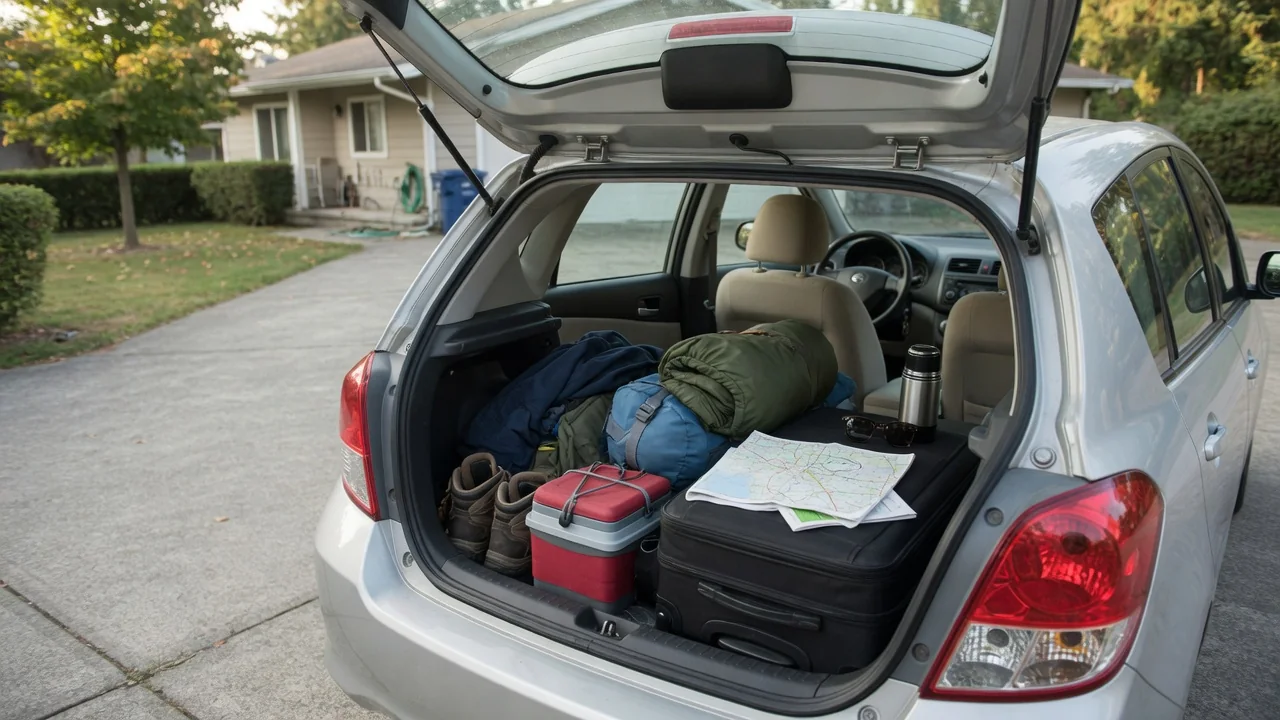
Learning how to plan a road trip around limited cargo space starts with accepting that the trunk, not the wish list, sets the rules. A small sedan, hatchback, or compact crossover can carry a surprising amount when items are ranked by importance and matched to the shape of the cargo area. The approach below works best before a single bag is loaded.
Measure space
Start with an empty cargo area and a tape measure. Record the width between the wheel wells, the depth from the seatback to the opening, and the height under the cargo cover or parcel shelf, because the narrowest point decides what fits rather than the widest one. Published cargo volume figures describe total capacity, but they rarely reveal how intrusions from suspension housings, a sloping rear window, or a raised load floor reduce the usable rectangle that luggage actually occupies.
Look for space that is easy to miss. Many vehicles have an underfloor compartment around the spare tire or tire repair kit, side pockets behind the wheel wells, and footwells behind the front seats that suit soft items. Split-folding rear seats may add length if a seat goes unused, though the fold pattern and whether the floor lies flat differ by model. Also note the liftover height and the shape of the opening, since a wide item may fit inside yet refuse to pass through.
Choose compact packing
Soft-sided duffel bags usually suit a small trunk better than rigid suitcases because they compress into irregular gaps beside wheel wells and under a sloped hatch. Rank everything by importance before thinking about fit: items needed for safety and the trip's purpose earn a place first, comfort items second, and just-in-case extras last. When something from the last group will not fit, that ranking makes the decision quick, and the space goes to gear that will certainly be used.
Shape matters as much as size. Flat, rectangular items such as a folding table or a hard cooler form a stable base layer, while rounded or squashy things like sleeping bags, jackets, and pillows fill the voids above and around them. Several small bags often pack tighter than one large one, since they can be distributed into corners. Heavier objects belong low and close to the rear seatback, which keeps weight ahead of the rear bumper and helps the car feel settled through curves and braking.
Recheck access
A load that fits perfectly can still fail if the wrong thing is buried. Before departure, think through each day of the trip and identify what must come out first: an overnight bag for a single hotel stop, a cooler for roadside lunches, rain jackets, a first aid kit, and chargers. Those items should sit nearest the opening or in the cabin, while gear needed only at the destination goes deepest. A trial load at home shows whether that order really works.
Emergency equipment deserves its own check. If the spare tire, jack, or inflator kit lives under the cargo floor, reaching it with a full trunk means unloading on the shoulder, so keep the bags above that panel easy to lift away as a group. Confirm that the stack does not block the rearview mirror, press against rear window defroster lines, or interfere with the hatch closing and latching. On vehicles without a cargo cover or partition, anything stacked above seatback height could travel forward in a hard stop.
Everyday Use and Observations
The first hour of driving reveals what the driveway test could not. Listen for rattles or shifting thumps over bumps, which suggest loose items needing a wedge or a strap to the tie-down hooks, where fitted. Notice whether the rear of the car sits visibly lower, whether the steering feels lighter, or whether stopping seems to take longer than usual. Headlight aim can rise with a heavy rear load, and some vehicles provide a leveling adjustment while others do not.
Daily routines also expose weak spots in the plan. If every fuel stop involves moving three bags to reach snacks, the access order needs changing. Loads tend to grow during a trip as souvenirs, groceries, and laundry accumulate, so leaving a little unused room at the start prevents a stuffed cabin later. Repacking at each overnight stop takes a few minutes and keeps the arrangement tidy, and it offers a natural moment to check tire pressures, which matter more when the car is fully laden.
Limits and Next Steps
Volume is only one limit; weight is the other. Every vehicle has a maximum payload covering passengers and cargo together, typically shown on a placard in the driver's door jamb along with recommended tire pressures, and the owner's manual explains any separate pressure guidance for full loads. Four adults can use much of that allowance before luggage is added. Dense items such as water, tools, and canned food add up quickly, so a trunk with room left may already be near its rated capacity.
When the essentials still exceed the space, external carrying options come next, each with conditions. Roof boxes and hitch-mounted carriers depend on the vehicle's roof load rating, rail or crossbar design, and hitch provisions, all of which vary and should be confirmed in the manual or with a dealer. Roof loads also raise the center of gravity and increase wind resistance. Alternatives include shipping bulky gear ahead, renting equipment at the destination, or trimming the lowest-ranked items until the load fits within every limit.