How to Pack and Organize Your Car for a Comfortable Road Trip
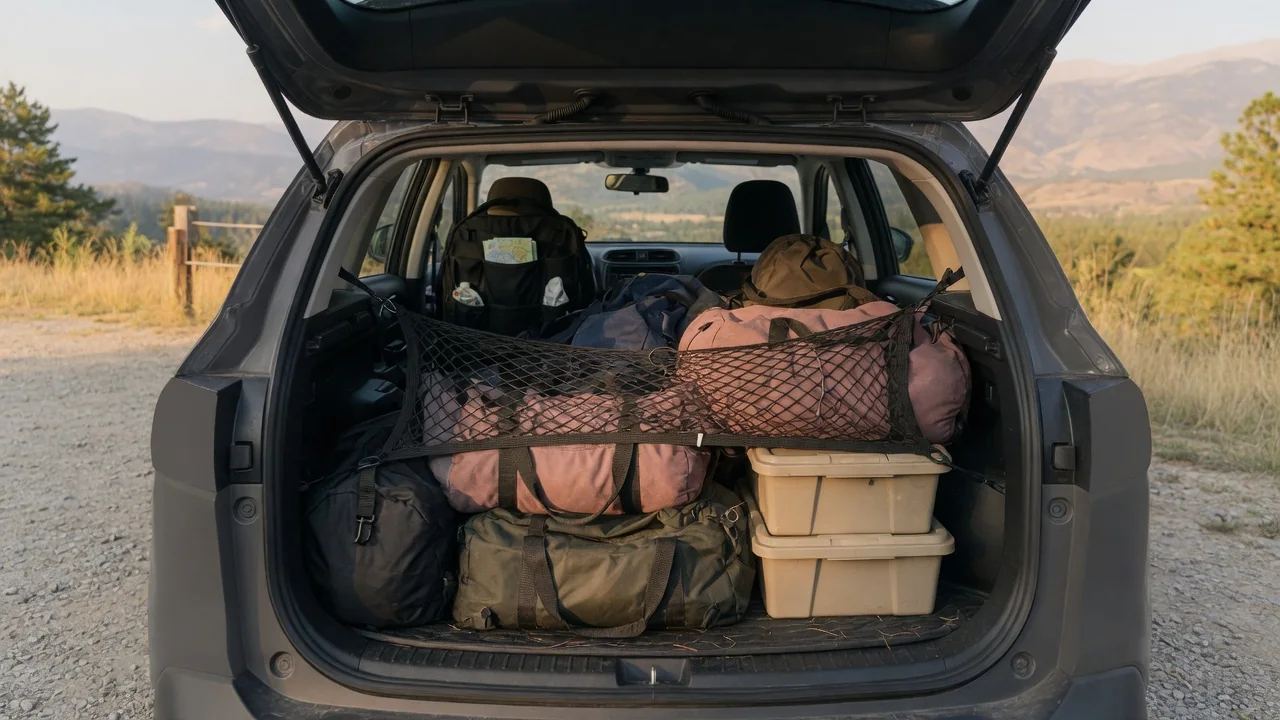
A road trip should feel like an adventure, not a struggle with shifting bags, blocked views, and cramped legs. Thoughtful car organization for road trip travel turns a chaotic cabin into a functional mobile living space. By planning your load, using the right organizers, and securing gear properly, you improve safety, reduce stress, and keep everyone more comfortable mile after mile. Whether you’re packing a small hatchback or a family SUV, a few practical techniques can transform the way you travel.
The Best Way to Pack a Car for a Road Trip: Plan the Load First
Before loading anything, stage every item on the driveway or garage floor. Seeing the full volume at once helps you eliminate non-essentials and sort by destination. Group luggage, snacks, entertainment, and emergency gear separately. This visual inventory also prevents the frustrating discovery that a bulky cooler no longer fits once the trunk is half full. A quick photo of the staged pile becomes a useful reference if you need to repack later.
Load in layers based on frequency of use. Deepest and farthest from the tailgate goes the gear you won’t need until arrival: spare shoes, bulky jackets, or camping equipment. Items needed during the day—lunch bags, chargers, medication—should sit closest to the doors or in accessible pockets. Soft duffels and packing cubes conform to wheel wells and angled seat backs better than rigid suitcases, filling irregular cargo spaces and reducing wasted volume.
Weight Placement, Securing Cargo and Keeping Clear Sightlines
Place the heaviest items low and as far forward in the cargo area as possible. This keeps the vehicle’s center of gravity near the axle, which improves stability in corners and during sudden lane changes. Heavy cargo positioned high or far back can make the rear feel loose and increase stopping distances. If you carry tools or a cooler, slide them against the rear seatback, never on top of soft luggage.
Keep the load below the rear window line so your rearview mirror remains useful. Never stack items tall enough to block side windows or mirrors, as clear sightlines are critical for safe lane changes and reversing. Loose objects become dangerous projectiles in a hard stop, so use cargo nets, adjustable tie-down straps, and wedges to lock everything in place. Check that no item interferes with airbags, seat belts, pedals, or the driver’s footwell.
Road Trip Car Organization: Organizers, Storage Zones and Easy Access
Divide the cabin into zones with a clear purpose: a driver zone with controls and navigation, a front passenger snack and map area, a back-seat entertainment zone for kids, and cargo in the rear. This prevents everyone from rummaging through the same bag. A seat-back organizer holds tablets, books, and water bottles within reach, while a front-seat caddy keeps phones and sunglasses from sliding under the seats.
Choose organizers that attach securely. A good seat-back organizer straps around the headrest posts and does not hang low enough to crowd rear passenger legs or reach the driver’s controls. Collapsible crates in the trunk keep groceries and loose items grouped, while visor pockets store sunglasses and toll cards. Give each traveler a small grab bag with personal items so no one has to unload the entire trunk at a rest stop.
Packing a Small Car for a Road Trip
Small cars demand careful measurement before packing. Test-fit your largest bags in the trunk and, if needed, fold down the rear seats to understand the real cargo footprint. Hidden spaces matter: under-floor trays, seat-back pockets, door bins, and the area under the front seats can hold small items without blocking seat adjustment. Use compressible packing cubes to squeeze bulky clothing into tight spaces.
Folding rear seats expands cargo room but removes the security of a fixed bulkhead. When the seatbacks are down, tie items to the seatback release handles or use a cargo net anchored to the tie-down points. Be extra conscious of load limits and rear visibility, because small cars reach their payload capacity faster and have shorter rear glass. Before adding a roof carrier, check your owner’s manual for the maximum roof rack weight.
Packing the Car for a Family Road Trip
Give each child a personal bin or backpack within their reach. It should hold only what they can manage alone: a coloring book, headphones, a small snack, and a travel pillow. This keeps the main luggage undisturbed and teaches kids responsibility for their own space. Keep child seats properly installed exactly according to the manufacturer’s instructions—never stuff bags between the car seat and the vehicle seat, as this can compromise the seat’s crash performance.
Pack a quick-access kit near the front of the load for spills, wipes, a change of clothes, and motion-sickness supplies. In a minivan or SUV, place it under the front seat or in the front passenger footwell. Plan the loading order around arrival needs: pack a separate small overnight bag for a hotel stop, so you don’t have to remove heavy suitcases at midnight. No hard-sided or heavy items should be loose in the cabin where children sit.
How to Make Your Car Comfortable for a Long Road Trip
Set up the driving position before you leave the driveway. Adjust the seat height so you can see the instrument panel and the road, move the seat forward or back until your knees remain slightly bent at full pedal travel, and recline the backrest so your shoulders stay in contact while your wrists rest on the steering wheel rim. Use lumbar support to maintain the natural curve of your lower spine. Position mirrors last, after the seat is fixed.
Climate control is about more than temperature. On a long drive, switch between fresh-air and recirculation modes to prevent stale air and drowsiness. Park with sunshades in the windshield and side windows to reduce cabin heat while stopped. Passengers can use neck pillows and small seat cushions, but bulky cushions should not change how the seat belt lies across the hips and chest. Mount phones and navigation before driving, ensuring they do not block your view or an airbag deployment path.
Practical Road Trip Car Hacks and Packing Tips
Low-cost household items can become excellent organizers. A plastic shower caddy holds cups, wipes, and small electronics, while a hanging shoe organizer on the back of a front seat stores toys and snacks. Use a small collapsible bin as both a trash can and a laundry hamper. Label each bin with masking tape and a marker so everyone knows where things go back, keeping the cabin tidy throughout the trip.
A garment bag or hanging bar works for dress clothes, but only if it does not cover the side windows or interfere with side-curtain airbags. Check your owner’s manual for approved mounting points. Keep a small cooler within reach of the front passenger, and portion snacks into reusable containers before departure. After every gas or meal stop, do a thirty-second check of tie-downs, mirror visibility, and the driver’s footwell to make sure nothing has shifted.