How to Negotiate When Buying a Used Car
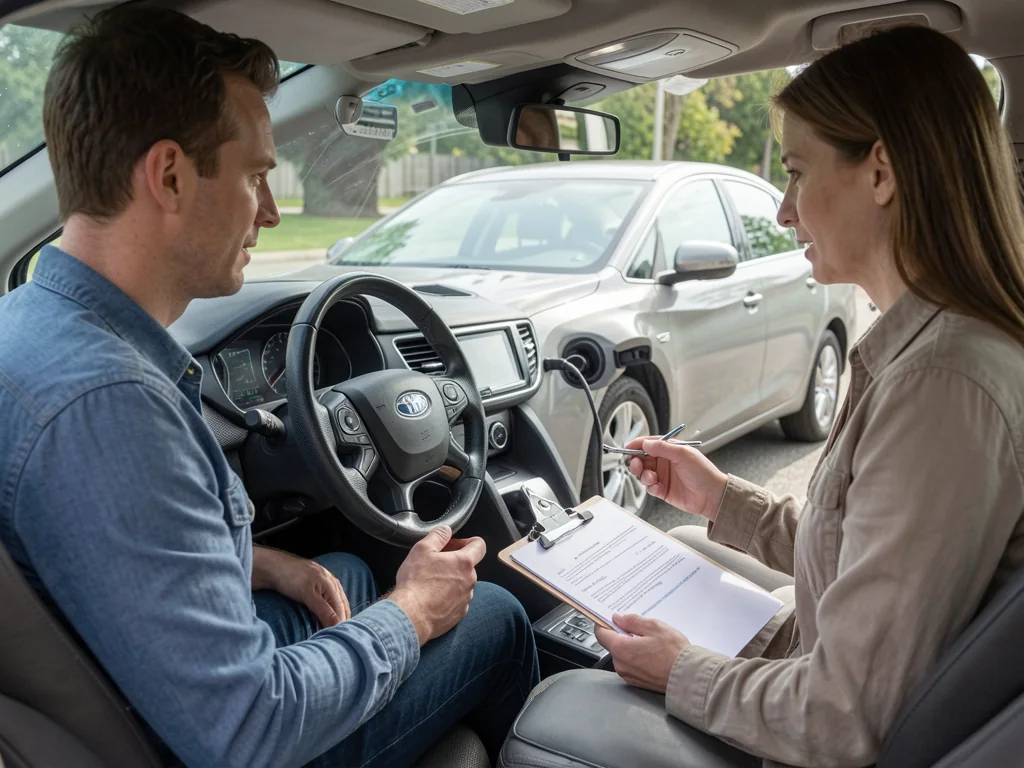
Haggling when buying a used car is reasonable whether you are dealing with a dealership or a private seller, but a discount is never guaranteed. The best negotiation tactics start with research, a firm walk-away limit, and a clear idea of what to negotiate besides the sticker figure. Asking whether the seller accepts offers, then bargaining on price, optional add-ons, and other terms, is how many buyers save money without turning the conversation into a contest.
Research the Asking Price and Set Your Spending Limit
Should you haggle when buying a used car? Often yes, because asking prices are starting points, not completed sale prices. Compare local listings for similar year, mileage, equipment, and condition, then use valuation estimates to set a defensible range. That homework is the foundation of how to negotiate price when buying a used car. Before you contact anyone, pick an opening offer, a realistic target, and a walk-away limit so emotion does not stretch the budget once you are standing next to the vehicle.
A spending limit is not just the advertised figure. Build a total purchase budget that includes taxes, registration, immediate maintenance, and a repair reserve for issues a used car can still hide after a test drive. When you reach a dealer or a private seller, ask whether offers are welcome rather than assuming a cut is automatic. Negotiation tips for buying a used car work best when that ceiling is already set, so haggling stays a tool for saving money instead of a reason to overspend.
Turn Inspection Findings Into a Supported Offer
One of the strongest negotiating tips for buying a used car is an independent prepurchase inspection before any binding commitment. A technician who does not work for the seller can document leaks, uneven tire wear, warning lights, accident repair, or neglected service in language you can take back to the table. Pair those notes with a written repair estimate so an offer adjustment is tied to actual work, not a vague complaint. Stay factual; exaggerating defects can wreck trust and make a reasonable price discussion harder.
Not every finding supports a full extra deduction. Mileage, interior wear, and older tires may already sit inside the asking price, so treating them as brand-new leverage can stall talks. Focus on problems that change near-term cost or safety. If the seller refuses an inspection, ownership paperwork is unclear, or a safety concern stays unresolved, pause or leave even if a discount is offered. Buying a used car negotiating tips lose their value when you trade a lower figure for a vehicle you cannot verify.
Make a Clear Offer and Handle Counteroffers Calmly
Knowing how to bargain when buying a used car starts with a specific dollar amount, not an arbitrary percentage off. Tie that figure to condition, local comparables, and inspection notes. A short statement works: you are offering a named amount based on similar listings and the repair estimate, and you can wait for a response. Then stop talking. Silence is not a cue to raise the number. Deliberate counteroffers inside your walk-away limit keep the discussion from becoming an auction against yourself.
With a private seller, confirm what the agreed price includes, such as remaining keys, floor mats, or a recent service, and which transfer costs you still pay separately, including taxes and registration. Those details prevent a handshake from leaving extras unpaid. If the seller holds a firm price that will not meet your budget, accept it only if it still fits, or end the discussion politely. Further haggling that cannot close the gap wastes time and can pressure you into stretching the walk-away limit you already chose.
Keep Dealer Discussions Focused on the Total Deal
At a dealer or dealership, start with a written, itemized out-the-door offer for that specific vehicle. Ask for the vehicle price, taxes, government charges, and dealer-added lines as separate figures before you agree. Settle the car price first, and keep financing terms and any trade-in valuation visible as their own amounts so one concession does not hide another. Financing preapproval from your bank or credit union gives you a comparison when the store offers in-house lending.
What not to say when buying a used car matters as much as the number you put on the table. Do not volunteer your maximum budget, call the car a must-have, or make a monthly payment the only target, because those remarks shift the talk away from the total you will actually pay. Answer sales pressure with honest, specific responses. Inventing a competing offer or pretending you are ready to sign today can backfire if the paperwork is checked. Financing-linked discounts can carry conditions, so compare the full borrowing cost before you accept them.
Negotiate Add-Ons and Other Terms That Affect the Cost
What you can negotiate when buying a used car is broader than the advertised price. Optional add-ons such as paint protection, fabric treatments, alarm packages, and extra warranties are often removable if you ask to take them off the written deal before signing. Distinguishing seller-controlled charges from required government charges helps you see which fees are negotiable when buying a used car. Taxes and registration typically stay; dealer documentation, prep, and similar store fees may be open to discussion depending on that store's policy and state rules.
Dealer fee policies vary, so if a charge remains, request a vehicle-price concession and reassess the out-the-door total rather than arguing the line in isolation. You can also discuss documented repairs, a missing extra key, or delivery timing when those items matter, without assuming the seller must provide them. Get promised work in a written repair agreement with completion terms instead of relying on verbal assurances. That paperwork is one of the practical ways to save money when buying a used car, because unpaid extras and unfinished work erase a negotiated discount.
Check the Final Agreement and Know When to Walk Away
The negotiation is unfinished until the contract matches the deal you accepted. Compare the final paperwork with the itemized out-the-door price, the products you kept or declined, and any written promises. If you are financing, check the loan amount, interest rate, term, and total of payments. Stretching the term can lower a monthly figure without reducing what the car costs, which is why payment-only haggling is a weak tactic. Confirm those numbers before you sign rather than after the keys are in your hand.
Read deposit and cancellation terms before you pay or sign, and do not assume a cooling-off period applies to a used-car purchase. Keep the repair reserve instead of spending it to close a gap that appeared at the last minute. Unexpected charges, high-pressure tactics, or unresolved safety and title concerns are reasons to leave, even after a long conversation. Walking away protects the savings you built with research and a supported offer. A used car that only works if you abandon your limit is not a bargain.