How to Make Your Car AC Colder: Practical Cooling Tips
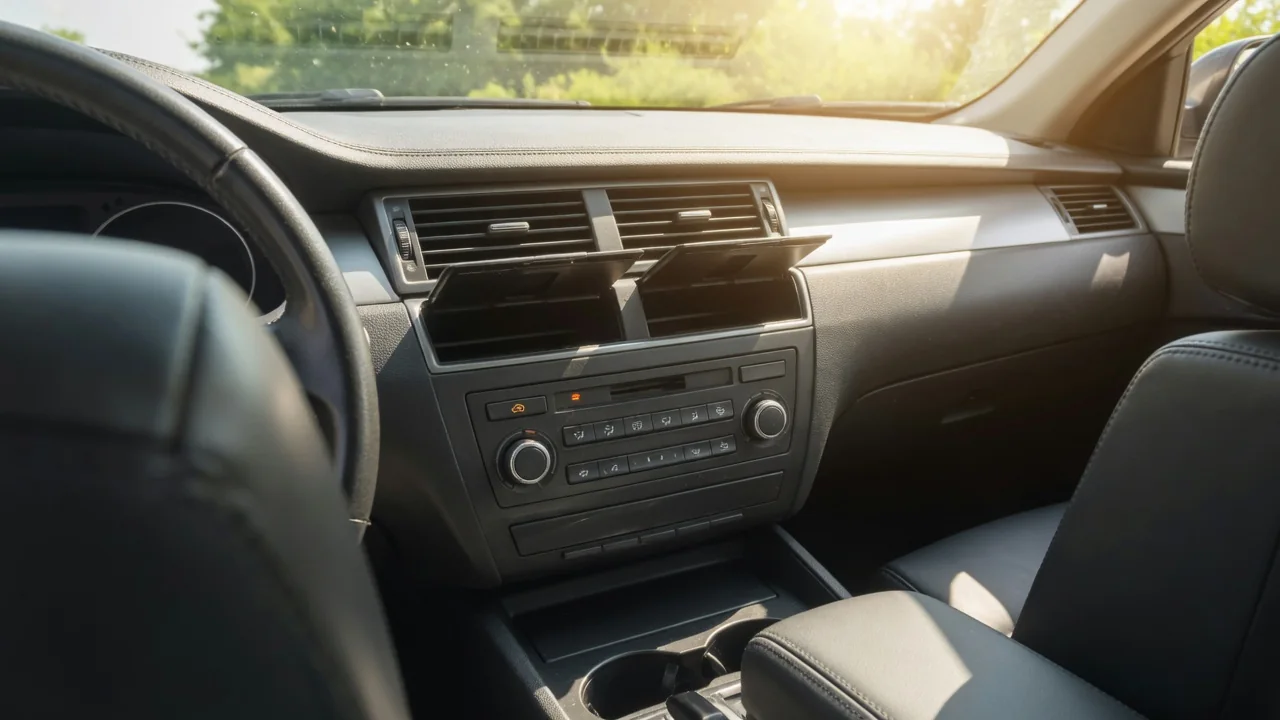
Learning how to make your car AC colder starts with how you operate the system and how much heat it has to overcome. Cabin temperature, sun load, and restricted airflow all raise the cooling demand. Small habits—vent direction, recirculation, parking shade, and a clear condenser—can make your car AC cooler daily. When those steps still leave the air lukewarm, the problem may be a fault rather than a setting.
Set Up the AC for Effective Cabin Cooling
Turn the climate control to air conditioning, choose a low temperature setting, and pick a fan speed that actually moves air through the cabin. Temperature selection tells the system how cool you want the air; fan speed determines how much of that air reaches you. A very low blower can feel warmer simply because less cooled air is arriving, while a higher speed mixes the cabin faster. If the vehicle has separate zone controls, set occupied zones similarly so one occupant is not fighting another.
Open the dashboard vents and aim them so cooled air crosses the occupied seats instead of blasting a single panel or disappearing into unused corners. Keep bags, phone mounts, and floor mats from blocking outlets. Correct operation and routine care are practical ways to make your car AC colder, but they cannot push the system past its design limits in extreme heat or humidity. If settings are already aggressive and the air still feels only mildly cool, further gains usually come from reducing heat load or checking airflow, not from colder button chasing.
Release Trapped Heat and Use Recirculation
When the vehicle is safely parked, opening doors or windows for a short time lets superheated cabin air leave instead of forcing the evaporator to swallow it all at once. Heat soak after a sunny stop can make the first minutes of cooling feel ineffective even when the system is working. After that burst of hot air escapes, close the windows and switch to recirculation mode so the compressor is cooling already-treated cabin air rather than a continuous stream of outside heat.
Recirculation reuses cabin air and cuts the ongoing heat load because incoming outside air is often much hotter and more humid than the interior once cooling has started. That is one of the most reliable ways to make your car AC cooler after the initial dump of trapped heat. If the glass begins to fog, switch to fresh air or the vehicle's defogging setting; clear visibility takes priority over maximum chill. Return to recirculation after the windows clear, provided the weather and occupancy still favor it.
Check the Cabin Filter and Airflow Path
Weak airflow is a reason to inspect the cabin air filter if it is safely accessible and the owner's manual shows how to reach it. A clogged or collapsed filter starves the blower, so dashboard vents feel lazy even when the compressor is running. Look for packed debris, a torn media, and a filter seated in the correct orientation; a backward or loosely fitted element can leak unfiltered air and still restrict the path. Do not assume a calendar interval; condition and use matter more than a guessed mileage.
Keep accessible exterior intake screens clear of loose leaves and keep cabin vents unobstructed so the blower is not fighting a second bottleneck. Restricted airflow and inadequate air cooling are not the same complaint: strong flow of lukewarm air points more toward heat load or a refrigeration problem, while a weak stream of reasonably cool air often starts at the filter or duct path. Replacing a filter cannot prove or repair every AC fault, including a refrigerant leak, so treat the filter as one airflow check rather than a complete diagnosis.
Inspect the Condenser Area Without Damaging It
The condenser sits in the airflow at the front of the vehicle and rejects heat absorbed from the cabin. If condenser airflow is blocked, refrigerant cannot shed that heat, and the air from the vents stays closer to ambient. With the engine off and the hardware cool, look through accessible grille openings for leaves, plastic bags, or packed insects. Stay clear of cooling fans, which can start unexpectedly. A visual check tells you whether the face of the condenser is even visible, not whether the rest of the system is healthy.
Limit any cleaning to surfaces you can reach and to methods the owner's manual allows. Skip pressure washing, harsh chemicals, fin bending, and any attempt to remove the condenser or adjacent parts; those steps can crush fins, force water into electrical connectors, or disturb refrigerant lines. If debris is packed deep, the fins look damaged, or you cannot see the condenser without dismantling trim, stop and have a shop inspect it. Restoring condenser airflow can help make the car AC colder, but only when the restriction is actually at the grille.
Reduce Heat Buildup While Parked
Shade or a covered parking space limits how much solar energy soaks into the glass, dashboard, and seats, so the first minutes of driving start from a lower cabin temperature. A properly fitted windshield sunshade reflects a large share of that load while you are parked; remove it before you drive so it does not obstruct vision or air from the defroster. These habits do not change the compressor's capacity, but they shrink the pile of stored heat the system has to pull out after you start.
Even a healthy system needs time to cool a sun-baked interior, especially in hot, humid weather when moisture as well as temperature must be removed. Expect a gradual drop rather than instant freezer air after the car has sat in direct sun. Parking habits reduce the initial cooling load and can make your car AC cooler day to day, yet they cannot repair a leak, a weak compressor, or a control fault. If shade and a sunshade still leave the vents warm after a reasonable cooldown, treat that as a symptom, not a parking problem.
Recognize Weak Cooling That Needs Diagnosis
When cooling stays weak after settings, recirculation, filters, and parking habits have been addressed, write down what you feel and when it happens. Note airflow strength, whether the air never gets cold, whether cooling is intermittent, any unusual noises, and the conditions—idle, highway, after a heat soak, or only on one side. Cooling that fades at stops can justify airflow and system testing because condenser fans and idle heat rejection matter, but that pattern does not name a failed part. It is a clue for a technician, not a parts list.
Refrigerant charge, a possible refrigerant leak, compressor clutch or operation, and electrical controls need proper professional testing; vent temperature alone cannot establish how much refrigerant is in the system. Skip DIY charging, venting, pressure testing, and leak-sealer products, which can mask a leak or damage components. If you hear grinding or smell burning from the AC, turn the system off. If an overheating warning appears, stop the vehicle safely and address engine cooling first. Those warnings outrank comfort, and continued AC use during a cooling-system alarm can add load when the engine already needs help.