How to Locate a Cabin Rattle Without Disassembling Panels
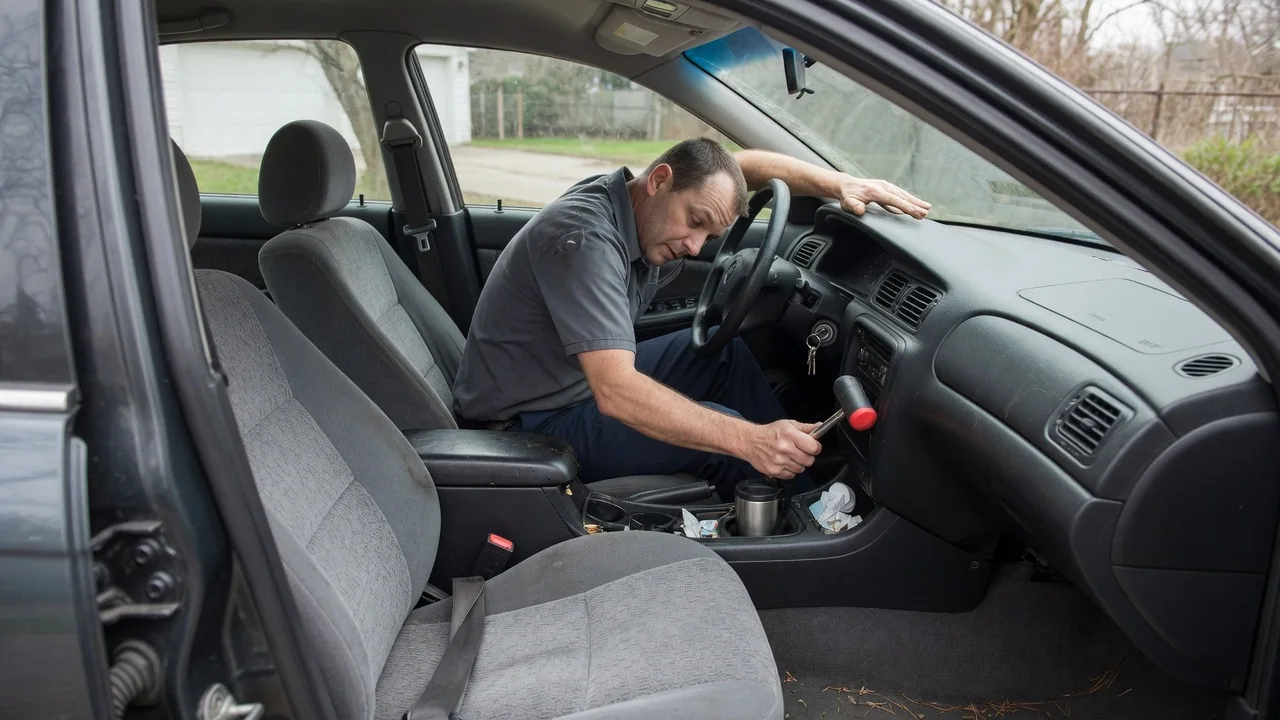
A buzz or tick somewhere inside the car can be maddening, and pulling trim apart to chase it often creates new noises. Learning how to locate a cabin rattle without disassembling panels comes down to a patient, repeatable routine: reproduce the sound under controlled conditions, empty the cabin, listen methodically, and write down what you hear before anyone reaches for a pry tool.
Reproduce safely
A rattle that only appears at random cannot be traced, so the first job is finding the conditions that trigger it every time. Note the speed, road surface, engine speed, temperature, and whether the noise arrives over sharp bumps, coarse pavement, or during acceleration. Then pick a quiet, low-traffic stretch or an empty parking lot with a similar surface, where you can repeat the same pass at modest speed without being distracted from the traffic around you.
The driver should drive and nothing else. Hunting for a noise by leaning across the cabin or pressing on trim while moving takes attention and hands away from the controls, so bring a passenger to do the listening and touching. Some noises can be reproduced while parked: a buzz tied to engine speed may appear at idle or with a gentle rev, and a bass-heavy music track at moderate volume can excite loose door or rear shelf trim without the car moving at all.
Remove loose items
Before suspecting the car itself, empty it. Coins in the console, sunglasses in the overhead holder, pens in door pockets, a water bottle in a cup holder, and a seat belt buckle tapping against hard pillar trim are all classic sources that sound exactly like a failed clip. Clear the glovebox, door bins, seatback pockets, and center console completely, and take out child seats, phone mounts, and anything hanging from the mirror.
The cargo area deserves the same treatment, since sounds from the rear travel forward and can seem to come from the dashboard or headliner. Depending on the vehicle, check the jack and tool kit, spare tire hold-down, cargo cover, removable floor panels, and folding seatback latches, since layouts vary widely between sedans, hatchbacks, SUVs, and trucks. Then repeat the same test drive. If the noise is gone, return items a few at a time until it comes back and the culprit identifies itself.
Record location
With the cabin empty and the noise still present, narrow down the zone. A passenger can move between seats, listening first for front versus rear, then left versus right, then high versus low. Hard surfaces and glass reflect sound, so the first impression is often wrong; a cardboard tube held to the ear helps point toward the source. Light hand pressure on a trim panel, vent, or pillar cover while the noise is occurring is a simple test: if it stops or changes, you have found the neighborhood.
Write down what you find rather than trusting memory. Useful notes include the character of the sound, such as a sharp tick, a plastic buzz, a creak, or a dull knock, along with speed, road surface, outside temperature, and whether switching the climate fan, opening a window slightly, or moving a seat changes anything. A phone recording made by the passenger, with the microphone held near the suspected area, captures evidence you can replay later and compare from one drive to the next.
Everyday Use and Observations
Daily driving supplies clues that a single test drive cannot. Plastic trim expands and contracts, so some creaks appear only on cold mornings and vanish once the cabin warms up, while others show up after the car has sat in the sun. A noise that changes with an occupied or empty passenger seat, a different seatback angle, a fastened rear belt, or a closed sunroof shade points toward that component without removing a single fastener.
Patterns also separate cabin trim from other sources. A buzz that follows engine speed regardless of road surface suggests vibration traveling into the body, while one that responds only to bumps suggests something loose reacting to suspension movement. Noise that changes when a window is lowered or a passenger leans a knee against the door often involves door seals, glass, or door trim. How strongly these traits show varies with body style, trim materials, and vehicle age, so compare the car against its own behavior over a week or two.
Limits and Next Steps
Listening has limits. Sound travels through body structure, so a noise heard near the dashboard may originate under the hood or beneath the floor, and a clunk felt through the steering wheel, floor, or pedals is not a trim issue. Any noise accompanied by changes in steering, braking, or ride behavior deserves prompt professional inspection instead of further experimenting. Areas around airbag covers, pillar trim, and seat belt anchors should also be left alone, because those parts involve safety systems.
If the process narrows the noise to a zone but not a cause, the notes and recordings become the handoff. A technician who knows the speed, surface, temperature, and the spot where hand pressure quieted the sound can reproduce it faster, and many shops use electronic listening tools or look up manufacturer service information on known noise concerns for that model. If the vehicle is under warranty, reporting the rattle with that documentation is usually wiser than removing trim yourself, since clips and panels can break or loosen.