How to Keep Cargo From Heat Damage in a Parked Car
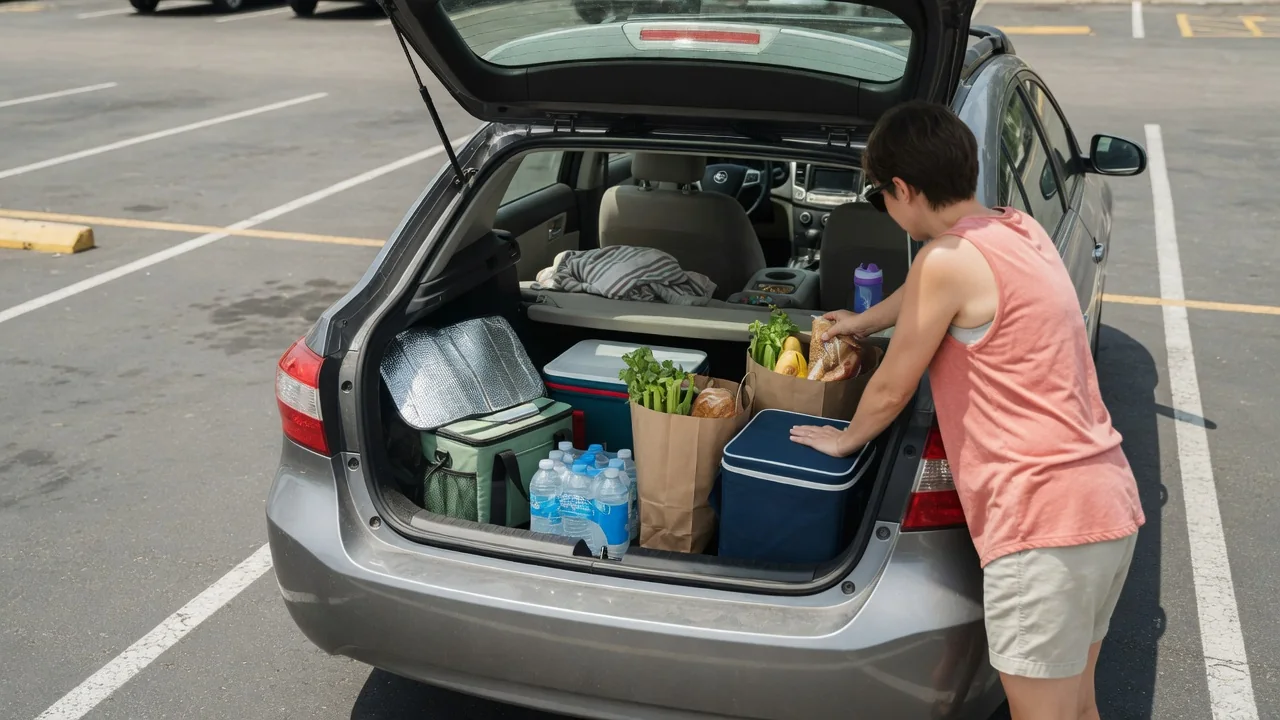
A closed vehicle sitting in direct sun behaves like a small greenhouse: glass lets solar energy in, and the cabin holds it. Learning how to keep cargo from heat damage in a parked car starts with knowing which belongings react badly to warmth, where the interior runs hottest, and when the simplest answer is carrying an item with you instead of leaving it behind.
Identify sensitive items
Start by sorting what you carry into things that tolerate warmth and things that change with it. Electronics with lithium batteries, such as phones, laptops, power banks, and cordless tool packs, typically carry storage temperature guidance from their makers. Pressurized containers like aerosol cans and tire inflator canisters usually print warnings about heat on the label. Items that soften or melt, including crayons, lipstick, candles, chocolate, adhesive tapes, and vinyl records, can deform or leave stains on upholstery and carpet that are difficult to remove.
Less obvious cargo deserves the same thought. Groceries, printed photographs, thermal-paper receipts, musical instruments, eyeglasses with coated lenses, and some plastics can warp, fade, or degrade after long exposure. Read packaging for storage wording such as keep in a cool place or protect from sunlight, since that label is a better guide than guesswork. What you can observe varies by vehicle: a dark interior, a large glass roof, or a steeply raked windshield tends to increase how much sun reaches whatever is sitting on the seats.
Choose storage
Where an item rides matters almost as much as what it is. Surfaces in direct sunlight, particularly the dashboard, rear parcel shelf, and seat tops, usually become far hotter than shaded areas because they absorb radiant energy through the glass. Lower, covered spots such as the footwell, under a seat, or beneath a cargo cover generally stay closer to the cabin air temperature. A sedan trunk is shielded from sunlight, though it still warms as the body panels soak up heat during a long afternoon.
Containers add another layer of protection. An insulated cooler or thermal bag slows heat transfer, and it works noticeably longer when it starts cool and stays out of direct sun; without ice packs it only delays warming rather than preventing it. Light-colored blankets or a reflective cover over cargo reduce radiant heating. Layouts differ: hatchbacks and SUVs share cabin air with the load area, pickups expose bed cargo directly unless a tonneau or cap is fitted, and some electric vehicles add a front trunk away from the glass.
Remove when practical
No storage trick matches simply taking a sensitive item with you. Parking shade, windshield sunshades, and slightly cracked windows can reduce heat buildup, but a closed cabin on a sunny day still climbs well above the outside temperature, and it can do so quickly. For anything with a battery, a pressurized container, or a label asking for cool storage, carrying it indoors removes the question entirely. A small tote kept on the passenger seat makes it easy to grab those items in one motion.
Practicality depends on the trip. Removing a laptop during a quick fuel stop may be unnecessary, while leaving it through a full workday in an open lot is a different exposure. Plan errands so temperature-sensitive purchases come last, and unload them first when you get home. Bulky cargo that cannot come along, such as paint, adhesives, or a boxed appliance, is better collected on the way home than carried around all day. Some vehicles offer a cabin overheat or climate hold feature; check the owner's manual for how it works and its limits.
Everyday Use and Observations
Daily habits do most of the work. Choosing a shaded space, a parking structure, or orienting the car so the windshield faces away from the afternoon sun changes how much energy enters the cabin. A folding sunshade keeps the dashboard and steering wheel cooler, and tinted glass or factory privacy glass, where fitted and legal locally, reduces solar gain in the rear. Keeping cargo out of sight under a cover also helps with security, which often matters for the same valuables.
Your own observations are useful feedback. If the seat belt buckle or steering wheel is uncomfortable to touch when you return, anything left on exposed surfaces experienced similar conditions. Look for signs such as softened packaging, a phone displaying a temperature warning, condensation inside a cooler, or a warped plastic item. An inexpensive thermometer left in the cargo area for a few days shows how your particular vehicle behaves in your climate, since color, glass area, insulation, and season all shift the result considerably.
Limits and Next Steps
Every method here slows heating; none makes a parked car a controlled environment. Sunshades and tint cut radiant load but do not stop the air inside from warming. Coolers eventually equalize. Ventilation features and remote climate functions depend on battery state, time limits, and model-specific design, so they should not be treated as guaranteed protection. People and pets are a separate matter from cargo entirely and should never be left in a parked vehicle, regardless of the precautions taken.
When an item has been exposed, let the manufacturer's guidance decide what happens next. Product labels, device manuals, and packaging state storage ranges and whether the item should still be used, and those sources outrank general rules. If a battery pack looks swollen, a can is dented or bulging, or a container has leaked, handle it cautiously and follow the maker's disposal instructions. For recurring needs, such as carrying work tools or regular deliveries, consider a dedicated insulated case and consult your owner's manual for vehicle-specific storage features.