How to Keep a Parked Car Interior Dry
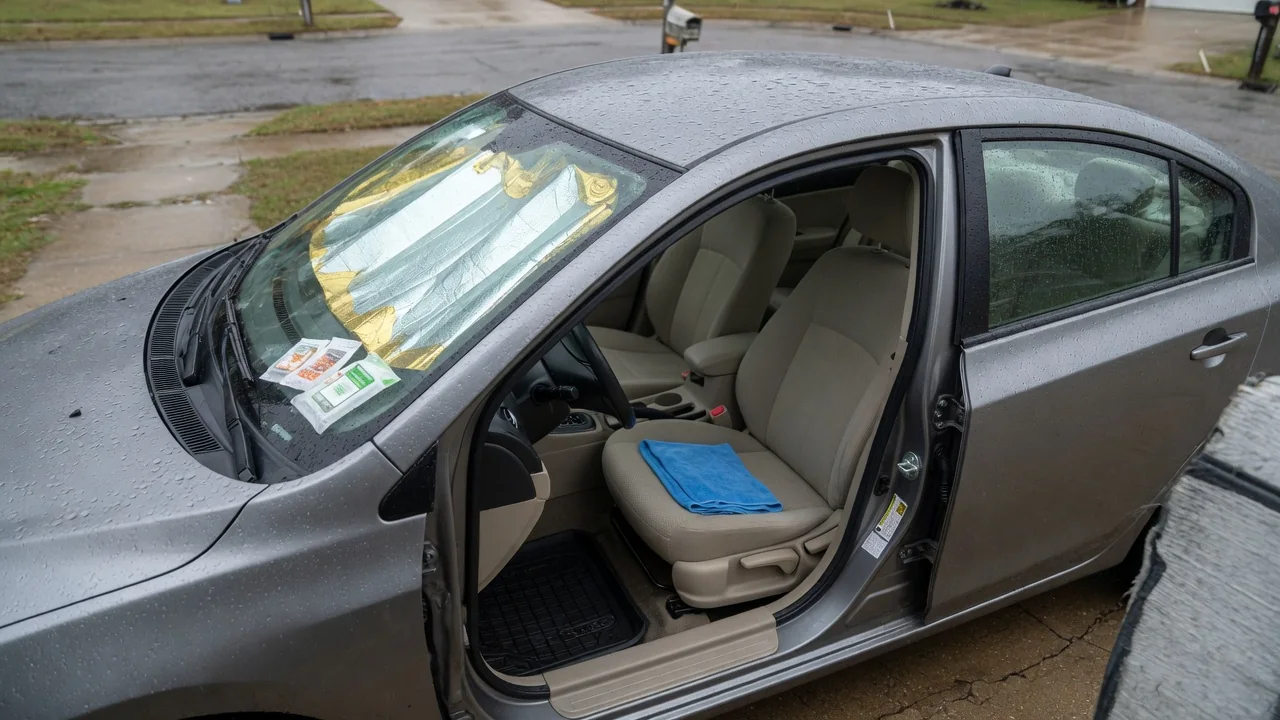
Learning how to keep a parked car interior dry starts with understanding that moisture arrives two ways: liquid water leaking past seals and drains, and humid air condensing on cold glass and trim. A vehicle that sits for days or weeks gives either source time to soak carpets, fog windows and feed mildew. Good ventilation, careful leak checks and steady moisture control address both.
Find water entry
Start by looking where water collects rather than where it enters, because it often travels along body seams and wiring before it shows. Press a hand into the carpet at each footwell, lift the trunk floor panel, and check the spare tire well for standing water or rust stains. Damp patches after rain point toward a leak, while moisture that appears in dry, cold weather suggests condensation. Noting which corner is wet, and whether the headliner or pillar trim is stained, narrows the search considerably.
Common entry points include door and trunk weatherstrips that have flattened or torn, sunroof drain tubes blocked by debris, the cowl area below the windshield where leaves clog drainage, and seals around tail lamps or the windshield itself. A wet front footwell can also come from a blocked air conditioning condensate drain or, if the fluid feels slick and smells sweet, a heater core leaking coolant. Drain locations and routing differ between vehicles, so the owner's manual or a service reference for the specific model is worth consulting.
Clean and dry
Once the source is addressed, remove the water already inside, because damp padding beneath carpet can stay wet for weeks. Take out floor mats and dry them separately, blot or wet-vacuum the carpet, and open doors on a dry, breezy day to let air move through. Running the heater with the air conditioning on pulls moisture from cabin air, since the evaporator condenses it and sends it out the drain. Thick underlay may need the carpet edge lifted so air can reach the padding.
Cleaning matters as much as drying. Dirt, food crumbs and spilled drinks hold moisture and give mildew something to grow on, so vacuuming seats and carpets reduces both odor and humidity. A clean inner windshield fogs less readily, because the film that builds up on glass gives water droplets a surface to cling to. Clear leaves from the cowl and door jamb channels as well, and check the cabin air filter if the vehicle has one; a damp, clogged filter restricts airflow and can smell musty.
Storage habits
Where a car is parked shapes how much moisture it faces. A dry, ventilated garage or carport is ideal, while a sealed, damp garage can trap humidity around the vehicle. Outdoors, avoid parking under trees that shed leaves into drains, and choose a spot where water runs away from the car rather than pooling beneath it. If a cover is used, a breathable fabric type lets vapor escape; a plastic tarp tends to trap condensation against the paint and seals.
Inside the cabin, moisture absorbers help during longer storage. Reusable desiccant bags containing silica gel, or tubs of calcium chloride crystals placed securely on a level surface, draw water vapor out of still air and need to be dried or replaced once saturated. Cracking windows slightly improves ventilation in a secure, covered garage but invites rain and theft outdoors. Leaving the climate system set to fresh air rather than recirculation before shutting down keeps the intake flap open on many vehicles, though this behavior varies by design.
Everyday Use and Observations
Daily habits add more moisture than most drivers realize. Wet coats, umbrellas, snow-packed boots, damp sports gear and pets all carry water into the cabin, where it evaporates and later condenses on cold glass overnight. Knocking snow off footwear, shaking out mats and removing wet items rather than leaving them in the trunk makes a measurable difference. Rubber mats with raised edges hold meltwater where it can be tipped out, whereas carpet mats let it soak through to the floor.
Short trips matter too, because the cabin never warms enough to drive moisture out. Using the air conditioning with the defroster periodically, even in cool weather, dries the air and keeps the system working. Watch for patterns: windows that fog heavily on the inside each morning, a musty smell when the doors open, or mist that returns minutes after wiping all suggest water trapped somewhere. Checking the carpet by hand after heavy rain or a car wash catches a new leak before it spreads.
Limits and Next Steps
Absorbers and ventilation manage humidity; they can't keep up with an active leak. If carpets get wet again after every rainfall, the entry point still needs finding, and a repair shop can use controlled water testing, smoke or dye to trace it. Windshield and body seam leaks generally call for professional resealing. Persistent sweet-smelling fog on the glass, combined with a dropping coolant level, deserves prompt inspection, since coolant vapor in the cabin is not something to live with.
Water that reaches wiring connectors or control modules under seats and carpets can cause electrical faults, warning lights or stored fault codes. A code in that situation is a clue to interpret alongside the moisture evidence, not proof a particular component has failed, and its meaning should be confirmed for the specific vehicle. Mold that has spread through padding or the ventilation system may need professional cleaning or replacement of materials. Keeping notes on when and where dampness appears gives a technician a useful starting point.