How to Keep a Cargo Area Clean After Outdoor Activities
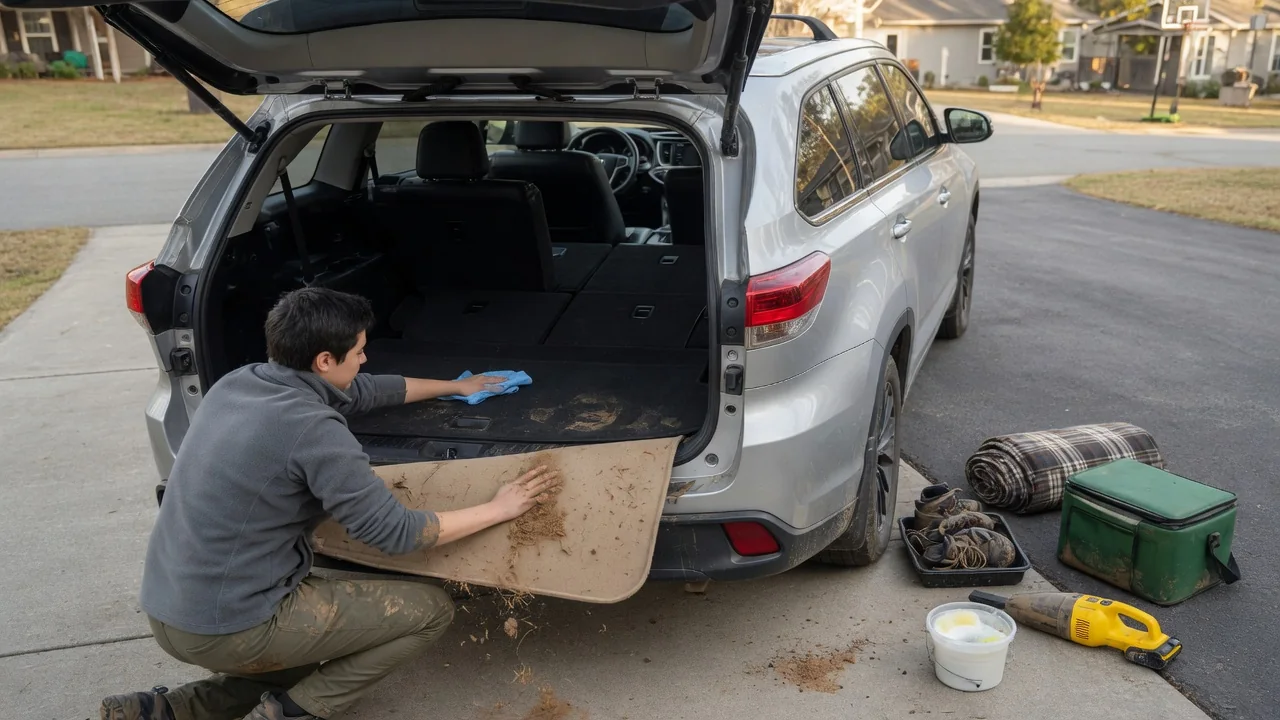
Learning how to keep a cargo area clean after outdoor activities starts before the gear ever goes back in the vehicle. Mud, sand, wet clothing, and damp equipment can stain carpet, trap odors, and hold moisture against metal and trim. A few steady habits with containment, drying, and inspection make cleanup faster and protect the interior over time.
Contain dirty items
Mud and water do the most damage when they spread, so the first goal is keeping the mess in one place. A lidded plastic bin or a waterproof tote gives muddy boots, wet waders, and soaked ropes a defined home, and the dirt stays inside the container instead of working into carpet fibers. A raised-edge cargo liner or tray adds a second barrier, catching drips and grit that escape. Both can be lifted out and rinsed with a hose, which is far easier than scrubbing fabric.
Cargo areas differ widely, so containment has to fit the vehicle. An SUV or hatchback shares air with the cabin, which means odors and humidity from wet gear reach the seats quickly, while a pickup bed tolerates rinsing but lets loose items slide. Folded rear seatbacks often expose carpeted panels and gaps where sand collects, so a liner that covers the seatbacks helps. Look for places where dirt gathers after a trip, such as corners, tie-down recesses, and the lip near the liftgate latch.
Dry the area
Drying matters as much as removing visible dirt, because moisture left in carpet and padding leads to musty smells and can encourage mildew. Take out wet gear, liners, and containers as soon as you get home rather than leaving them overnight. Blot damp carpet with absorbent towels, pressing firmly instead of rubbing, which pushes water deeper. A wet-dry vacuum pulls water out of the pile more effectively than towels alone, especially after snowmelt or a spilled cooler.
Airflow finishes the job. Leaving the liftgate or windows open in a dry garage or on a mild, dry day lets remaining dampness evaporate, and a small fan aimed at the floor speeds the process. Running the climate system with fresh air selected and the air conditioning on can also help pull humidity from the cabin on the drive home. Fogged windows the next morning, or a floor that still feels cool and damp to the touch, suggest more drying time is needed.
Inspect hidden moisture
Water rarely stays where it lands. It can run under a liner, soak through carpet seams, and settle beneath the load floor, where many vehicles have a spare tire well, a tool tray, or storage bins. Lift the floor panel after a particularly wet trip and look for standing water, damp foam, or dirt trails that show where moisture traveled. Some vehicles house batteries, audio components, or wiring in this space, so the layout and the stakes vary; the owner's manual shows what sits below.
Side pockets, the area behind trim panels near the wheel housings, and the underside of a rubber mat are other common hiding places. A liner that looks dry on top can trap a film of water against the carpet underneath, so lift it and feel the surface below. Condensation on the inside of the rear glass, a persistent earthy smell, or rust-colored spots on exposed fasteners and seat brackets are useful clues that moisture is lingering somewhere you haven't yet checked.
Everyday Use and Observations
Small routines keep the work manageable. Knocking mud off boots and brushing sand from gear before loading keeps a surprising amount of debris out of the vehicle. Keeping a brush, a few old towels, and a spare trash bag in the cargo area means you can deal with messes at the trailhead or boat ramp instead of later. A quick vacuum once the dirt has dried is usually easier than attacking wet mud, which tends to smear and work deeper into carpet.
Pay attention to patterns over several trips. If the same corner collects grit, a strap or organizer may be shifting and letting gear slide. Dog hair, pine needles, and fine dust tend to gather along weatherstrip seals around the opening, where they can hold moisture and should be wiped away gently. Materials also behave differently: rubberized or plastic load floors wipe clean quickly, while plush carpet holds stains and odors longer and benefits from an upholstery cleaner suited to automotive fabrics.
Limits and Next Steps
Routine cleaning has limits. If water appears in the spare tire well or under the floor when no wet gear was carried, the source may be a leak rather than your equipment; seals, drains, and body seams are possibilities to investigate, and tracking one down is often a job for a qualified shop. An odor that returns after thorough drying, or carpet padding that stays wet for days, may call for professional extraction or having the affected trim lifted so everything can dry properly.
Avoid hosing out a carpeted interior or soaking areas near electrical components, and test any cleaner on a hidden spot first, since trim materials react differently. Check the owner's manual for guidance on removable floor panels, drain plugs, and approved cleaning products, because these details are vehicle-specific. From there, the best next step is simple: choose a liner and containers sized for your cargo area, set a habit of unloading and airing out the same day, and recheck beneath the floor after the wettest outings.